The U.S. absence from a United Nations human rights review has left rights groups seeking another way to put allegations on the record and raised concerns about other countries following suit, NPR reported.
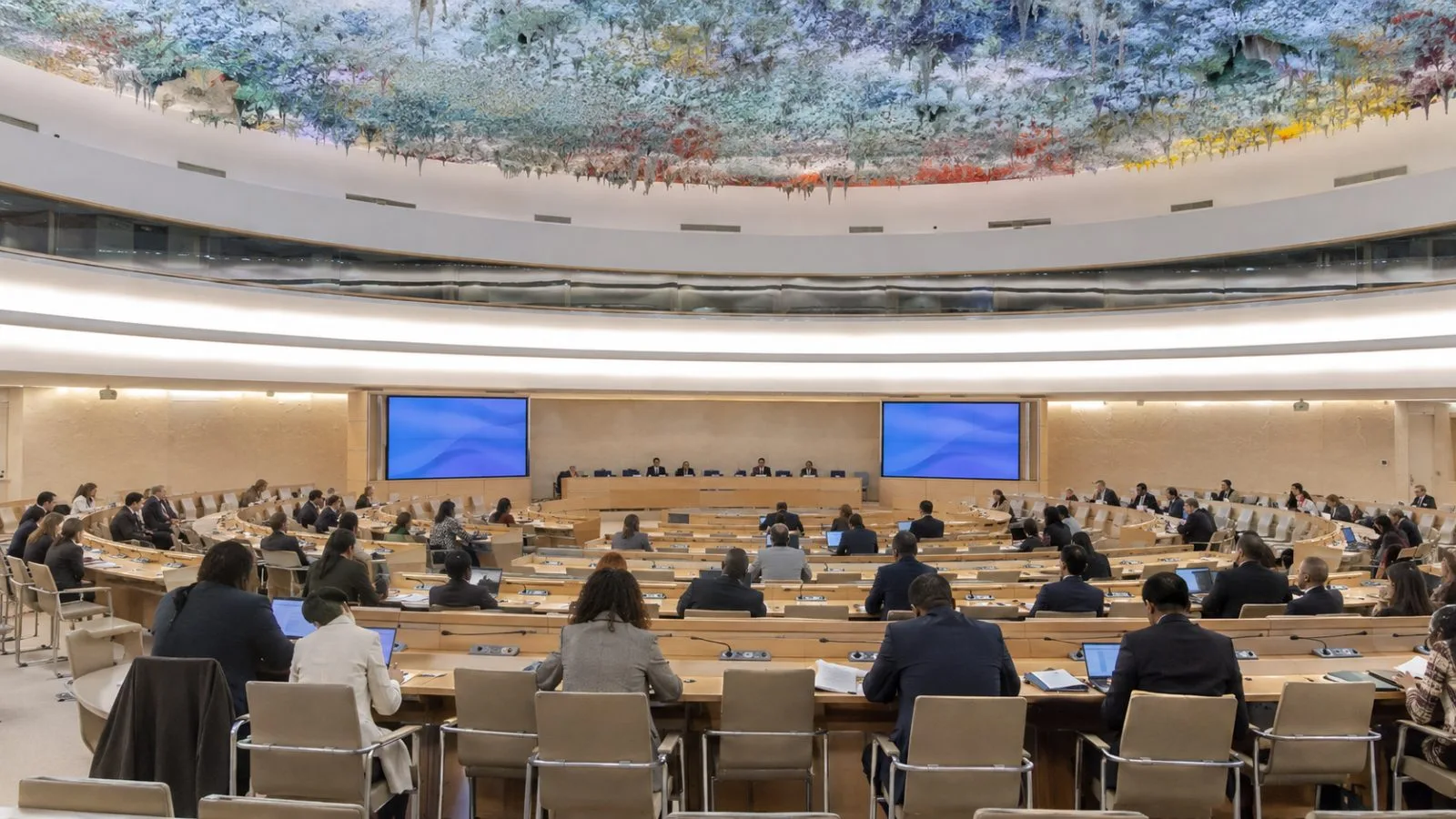
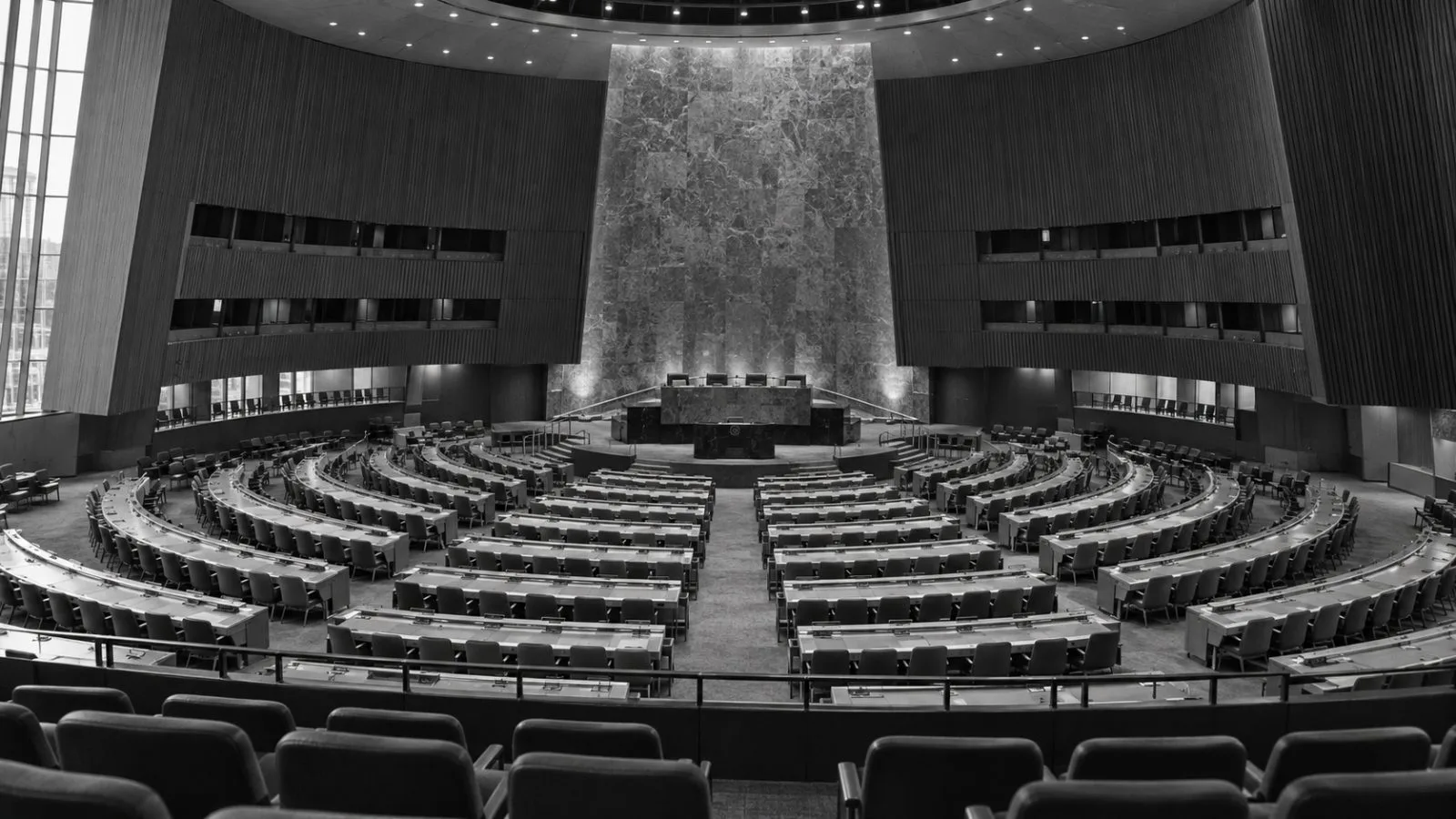
Washington sent no representatives to its Universal Periodic Review in Geneva on Nov. 10, NPR reported. It was the first time a U.N. member state had missed the process twice, after the U.S. also failed to attend the previous year.
The review rotates among the 193 U.N. member states on a four-to-five-year cycle. Governments examine one another’s human rights records, while civil society groups can submit evidence. The U.S. withdrawal from the U.N. Human Rights Council does not remove it from the review process, NPR reported.
Civil society organizations, including groups led by the American Civil Liberties Union (ACLU), traveled to Geneva. Separately, NPR reported, rights groups called for the review to go ahead and include evidence of alleged violations in the United States. ACLU Human Rights Director Jamil Dakwar pointed to the treatment of immigrants, student protesters and LGBTQ people as concerns.
In a written response, the State Department said Washington had withdrawn from the council and accused it of “pushing anti-American rhetoric.” Governments had prepared questions for U.S. representatives about the death penalty and abortion restrictions, NPR reported.
NPR said U.N. insiders worry that holding the review without U.S. participation could encourage other governments to stay away from future reviews. The United Nations has limited penalties available when a country refuses to take part, the outlet reported. The process is regarded by advocates as a last-resort channel for people alleging rights violations; without the U.S. review, that avenue is unavailable to U.S. residents for now, NPR said.
NPR cited Israel’s 2013 boycott in protest of what it said was anti-Israel bias. The U.N. rescheduled the review, and Israel took part nine months after its absence. NPR reported that U.N. officials have deferred discussion of a response to the U.S. absence until early next year.