Two economists say a focus on high-profile billionaires can miss the wealth of affluent households spread across the country. Owen Zidar and Eric Zwick estimated that the group they call “Everywhere Millionaires” held more than $63 trillion in wealth, or 38% of the U.S. household total, in a Nov. 11 post. They described the figure as their own calculation using the Federal Reserve’s Survey of Consumer Finances.
The Federal Reserve’s latest survey, released Oct. 9, covers family finances through 2025. It found that real median family net worth rose 2% from 2022 to $215,900, while real mean net worth rose 7% to $1.24 million. The Fed’s summary does not report the $63 trillion figure, and the authors’ post does not specify the cutoff or method behind it.
Zidar and Zwick compared their estimate with about $8 trillion for the Forbes list. Forbes reported that the 400 wealthiest Americans held a combined $8 trillion in 2026, based on a Sept. 4 wealth snapshot.
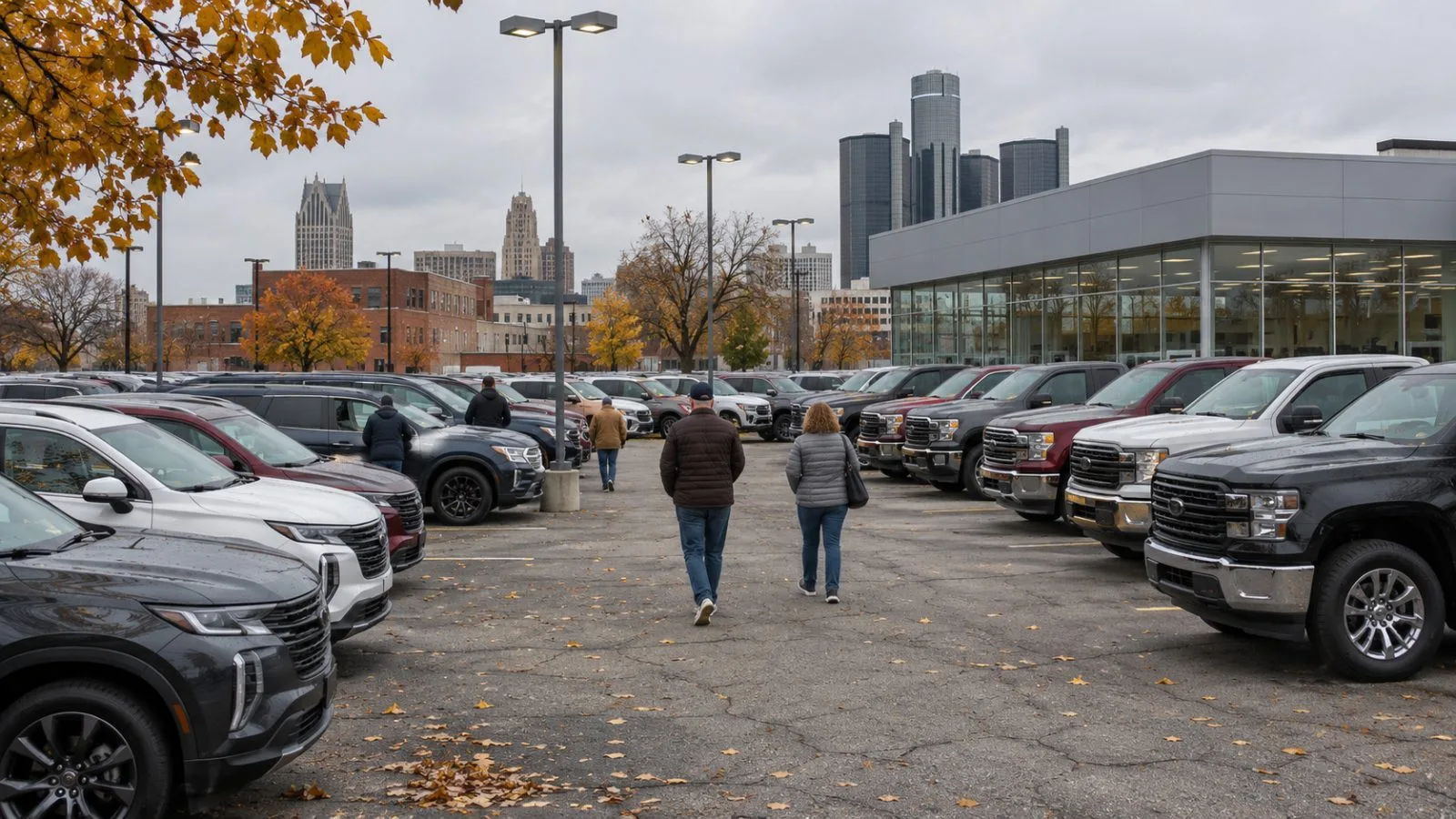
The authors’ argument also turns on how rules affect business. In Texas, state motor-vehicle guidance says manufacturers cannot sell new vehicles directly to consumers; licensed franchised dealers are the permitted sellers. Tesla says its Austin factory is a U.S. manufacturing hub for Model Y. A TxDMV committee transcript describes online sales through out-of-state dealerships as a route used by direct-sale manufacturers.
That example shows a legal limit on how manufacturers can sell cars in Texas. It does not establish that dealer lobbying caused the rule or quantify who gains financially from it. Zidar and Zwick make the broader political-power argument themselves, while describing that comparison as speculative.