The United States and five Central Asian countries outlined plans Monday to expand mineral processing and trade links, as U.S. Secretary of State Marco Rubio cited possible agreements worth billions of dollars.
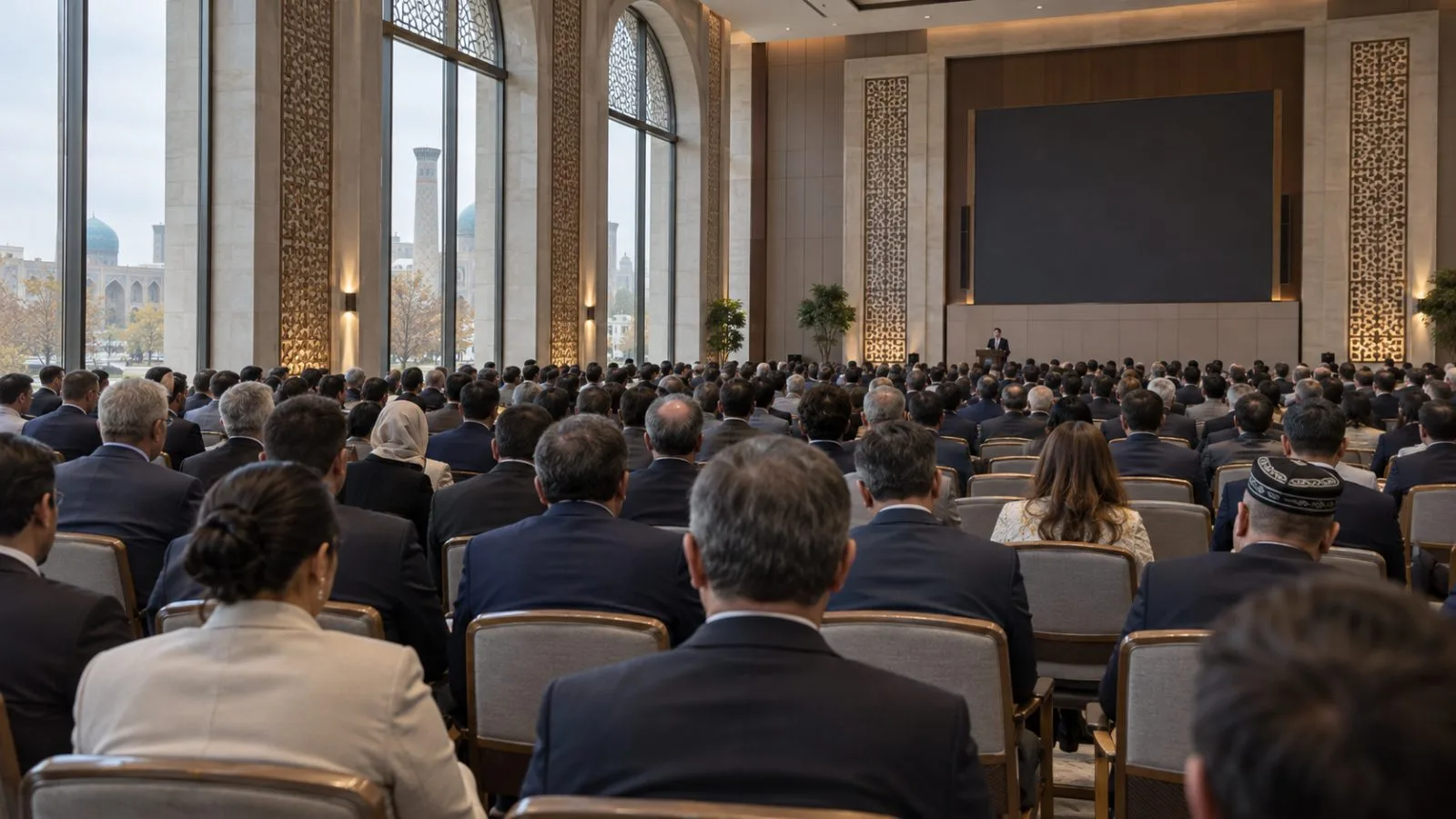
At a business forum in Samarkand, Uzbekistan, Rubio said almost 300 American businesses were represented. Some companies had reached agreements, he said, but he named none and gave no values for those agreements. His estimate of billions of dollars described a commercial opportunity across the region, not a total for completed deals.
Trade is one part of the joint C5+1 agenda: the governments want better customs procedures and transport connections, as well as further development of the Trans-Caspian Trade Route. They also seek opportunities for U.S. companies as Central Asia expands mineral extraction, processing and other value-added production. The statement assigned no funding to individual projects.
The C5+1 forum links the United States with Kazakhstan, the Kyrgyz Republic, Tajikistan, Turkmenistan and Uzbekistan. Its first ministerial meeting took place more than 10 years ago, the joint statement said.
The United States and Uzbekistan signed a memorandum in February 2026 on securing supplies through critical mineral and rare earth mining and processing. Euronews reported that Rubio, asked about critical minerals in Samarkand, argued against relying on a single place for global supplies.
At a separate C5+1 business event in Washington on Nov. 6, 2025, the U.S. Department of Commerce announced more than $25 billion in commercial deals involving the United States and the five Central Asian countries. That figure covers the earlier event; Rubio provided no comparable signed-deal total for Samarkand.
Rubio said the prospective agreements could benefit both the United States and the region economically, without quantifying those benefits. “This is not the end. This is the beginning,” Rubio said. He said announcements would follow the forum but gave no date for them.