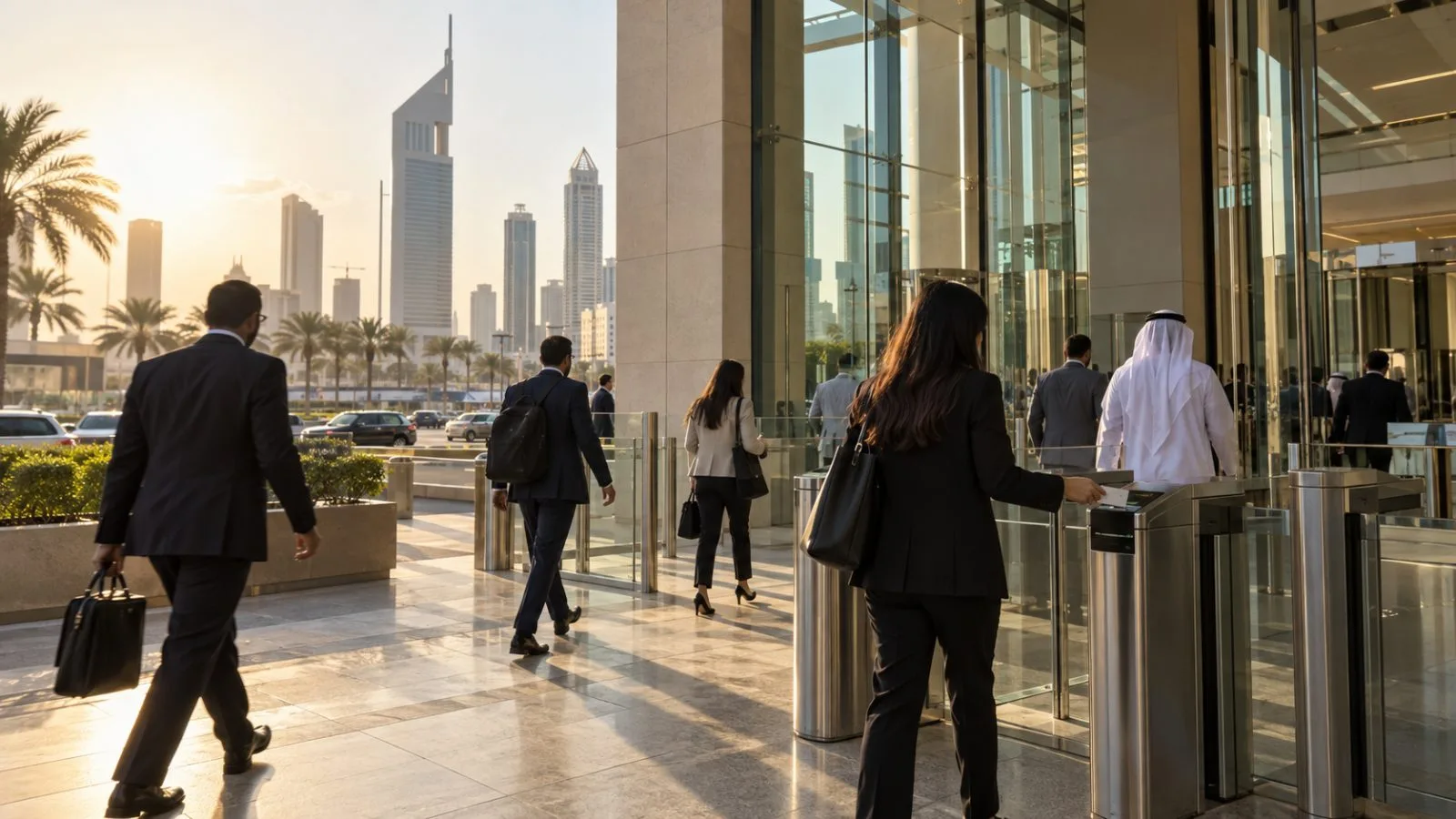
The United Arab Emirates received more than $56 billion in cryptocurrency value during Chainalysis’ 2024 to 2025 reporting window, as institutional growth brought provider safeguards into focus.
Chainalysis’ 2025 Geography of Cryptocurrency Report recorded a 33% increase from the prior period. Large institutional transactions grew 54.7%, while institutional transfers rose 37.2%, according to Chainalysis.
Ahmed Khizer Khan, chairman of the board of Daman Virtual and CEO of Daman Investments, argued in a Gulf News commentary that institutional confidence depends on the quality of services around digital assets as well as the rules governing them. He said financial firms bring established expectations for accountability into digital-asset markets.
Khan described practical safeguards in terms of what providers must be able to demonstrate: that client property is kept apart from company holdings, orders are handled transparently and decisions can be reviewed through audit records. He also called for written compliance procedures, effective risk management and clear standards for counterparties.
He said the relevant clients include family offices, asset managers, companies and high-net-worth individuals. Those groups, he argued, expect safeguards that help protect holdings and allow them to review how providers handle transactions.
Khan cited Dubai’s Virtual Assets Regulatory Authority (VARA) as having created a licensing framework that can support participation by established financial institutions. He said licensing helps institutions assess the conditions for entry, while the service systems and protections clients rely on remain a separate test.
Khan said clearer licensing rules have shifted the debate among institutions toward whether systems handling their digital-asset activity can meet operational demands. His commentary described financial firms taking on roles beyond investment, including providing infrastructure and liquidity.
He pointed to stablecoins’ growing use in institutional finance and said tokenized assets are appearing in sophisticated portfolios. He also cited digital currencies as a means of settling cross-border commerce.