British Ambassador Neil Holland urged Russia to accept an immediate ceasefire in Ukraine and enter serious talks, arguing that respect for existing security commitments is necessary to make a peace settlement durable.
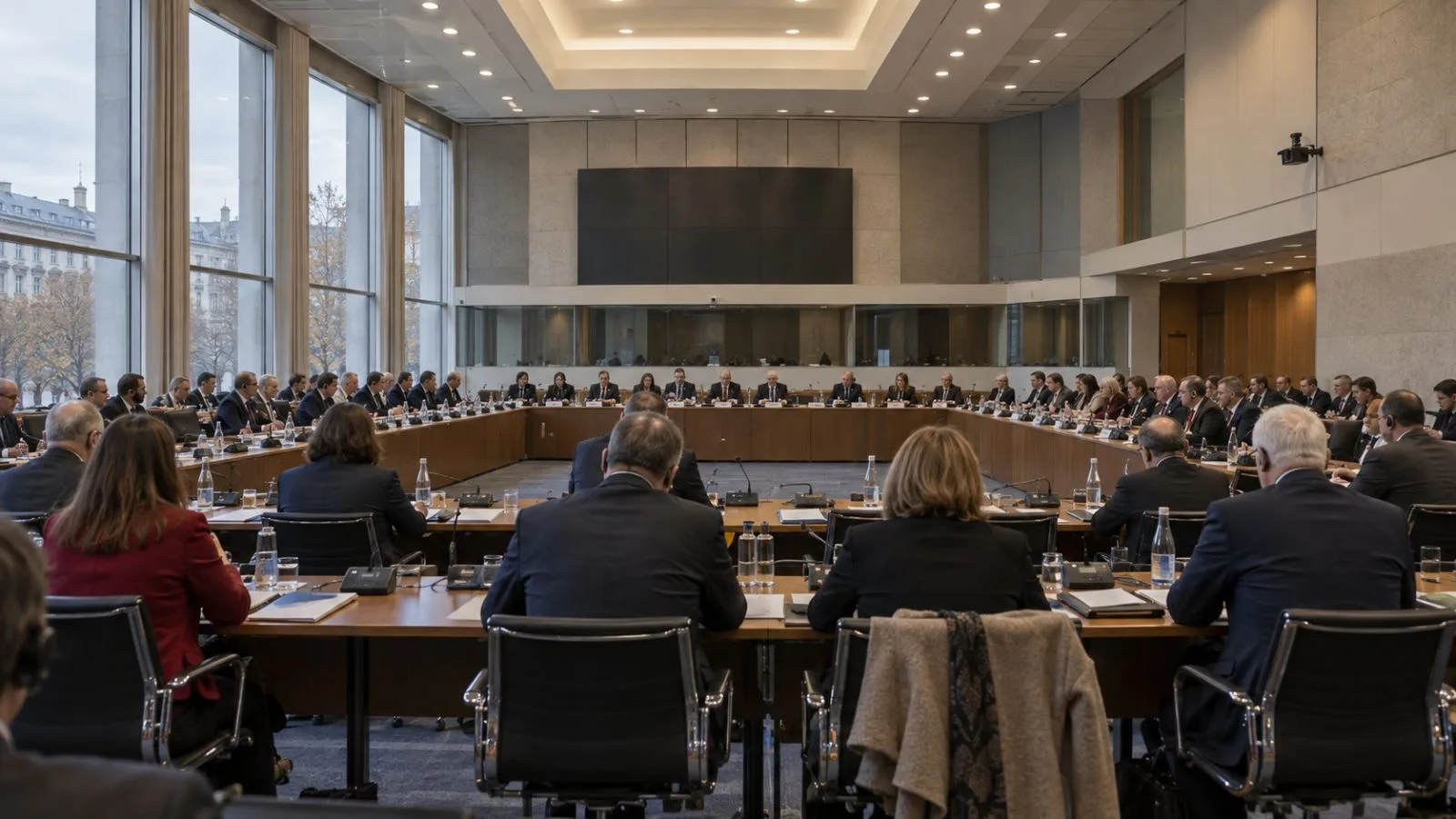
He spoke to the Organization for Security and Co-operation in Europe (OSCE) in Vienna on Nov. 12, one day after the U.K. marked Armistice Day. Holland said the observance should prompt renewed support for the principles and institutions that help preserve peace.
Holland cited the U.N. Charter's prohibition on threatening or using force against another state's territorial integrity or political independence. He also invoked the Helsinki Final Act, which sets out commitments including sovereign equality and resolving disputes peacefully. The OSCE says 35 participating states signed the act in 1975 and describes it as politically binding, not a treaty.
Holland said the OSCE framework lets participating states exchange information about armed forces and military activity, provide advance notice of some exercises and observe certain drills. It also offers channels for consultation and verification, along with measures intended to lower risks. He presented these arrangements as a way to improve transparency and give governments ways to address concerns.
He accused Russia of denying Ukraine's sovereignty, seeking to change borders by force and refusing military transparency. Those allegations were Holland's, as set out in the speech. He said Russia's conduct violated the principles underlying the security arrangements.
“The principles did not fail. Russia violated them,” Holland said. He called for Moscow to accept a ceasefire, engage in serious dialogue and respect its commitments.
Holland did not give a timetable for a ceasefire or further dialogue.