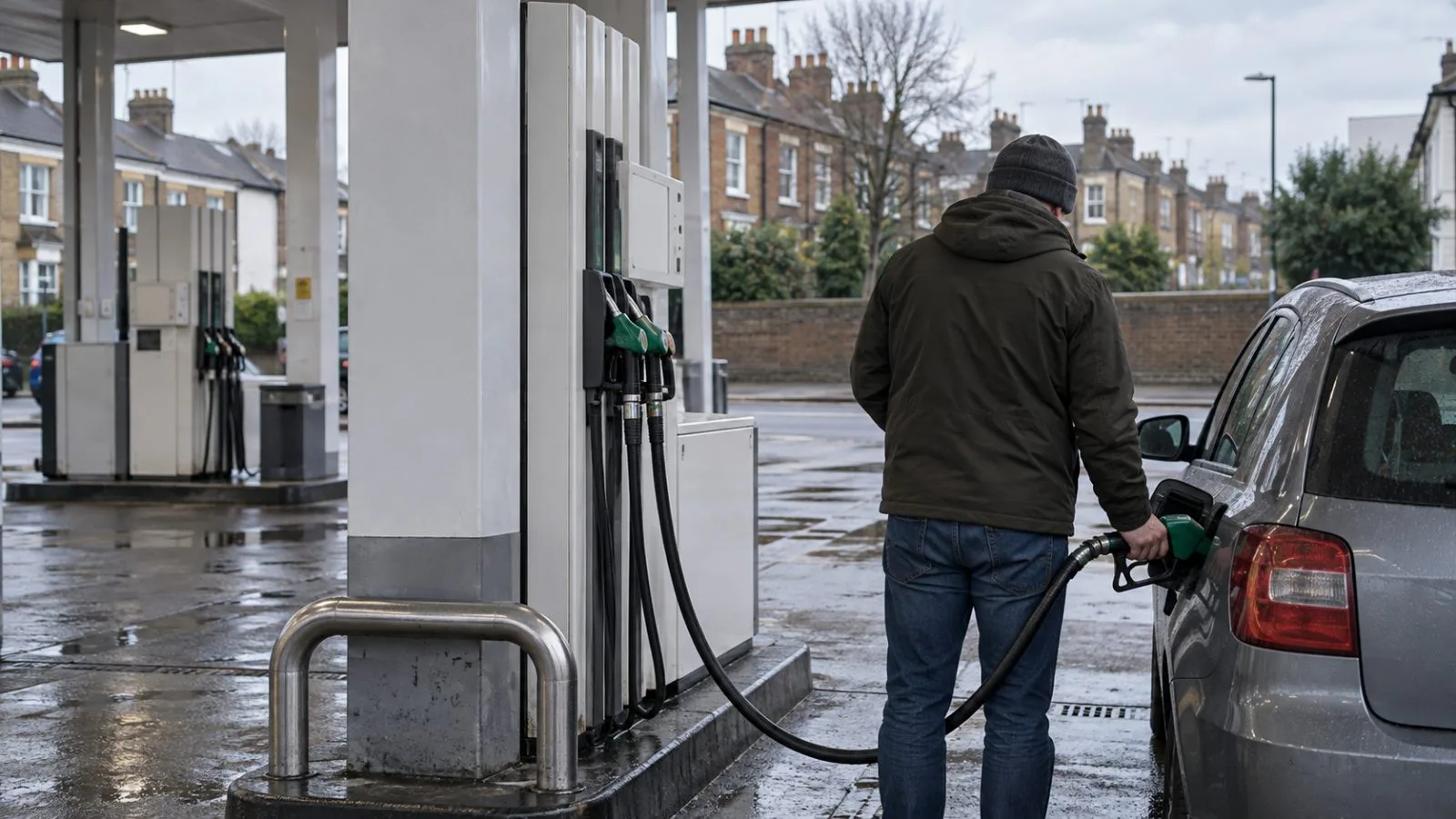
UK inflation accelerated in September, leaving it above the Bank of England’s 2% target after a split rate vote, as transport costs led by motor fuels made the largest contribution to the annual increase, official data showed.
The Office for National Statistics (ONS) said the Consumer Prices Index (CPI) rose 3.5% in the 12 months to September, compared with 3.1% in the year to August. Prices increased 0.4% over the month. The result exceeded the 3.4% median estimate in a Reuters poll of economists.
Measures that exclude some more volatile prices also increased. Core CPI, which excludes energy, food, alcohol and tobacco, rose to 2.8% from 2.6%. Services inflation advanced to 3.7% from 3.4%.
The Bank held Bank Rate at 3.75% at its September meeting. Six members of the Monetary Policy Committee voted to keep it there, while three favored a quarter-point increase to 4%. The Bank said rising energy prices amid the Middle East conflict had added to inflation risks. It described activity as somewhat firmer than anticipated and labor-market conditions as weak.
FXStreet reported Oct. 22 that Danske Research Team had revised its forecast to include a November increase, citing greater concern about inflation and stronger growth. That is a private-bank forecast, not a Bank of England decision.
In a Sept. 24 speech, Deputy Governor Clare Lombardelli said policy might need to tighten if elevated energy prices persist. She said the Bank’s projection, based on information available at the time, put CPI inflation at around 3.7% in 2026’s fourth quarter and around 4.2% in 2027’s first quarter.
The Bank’s next rate decision is scheduled for Nov. 5, followed by the ONS’s next CPI release on Nov. 18.