A report by the United Kingdom’s Office for Investment (OfI) and North Devon Biosphere Enterprises says fragmented nature recovery projects, short revenue streams and high transaction costs are limiting private investment at scale, despite potential for billions of pounds in long-term flows.
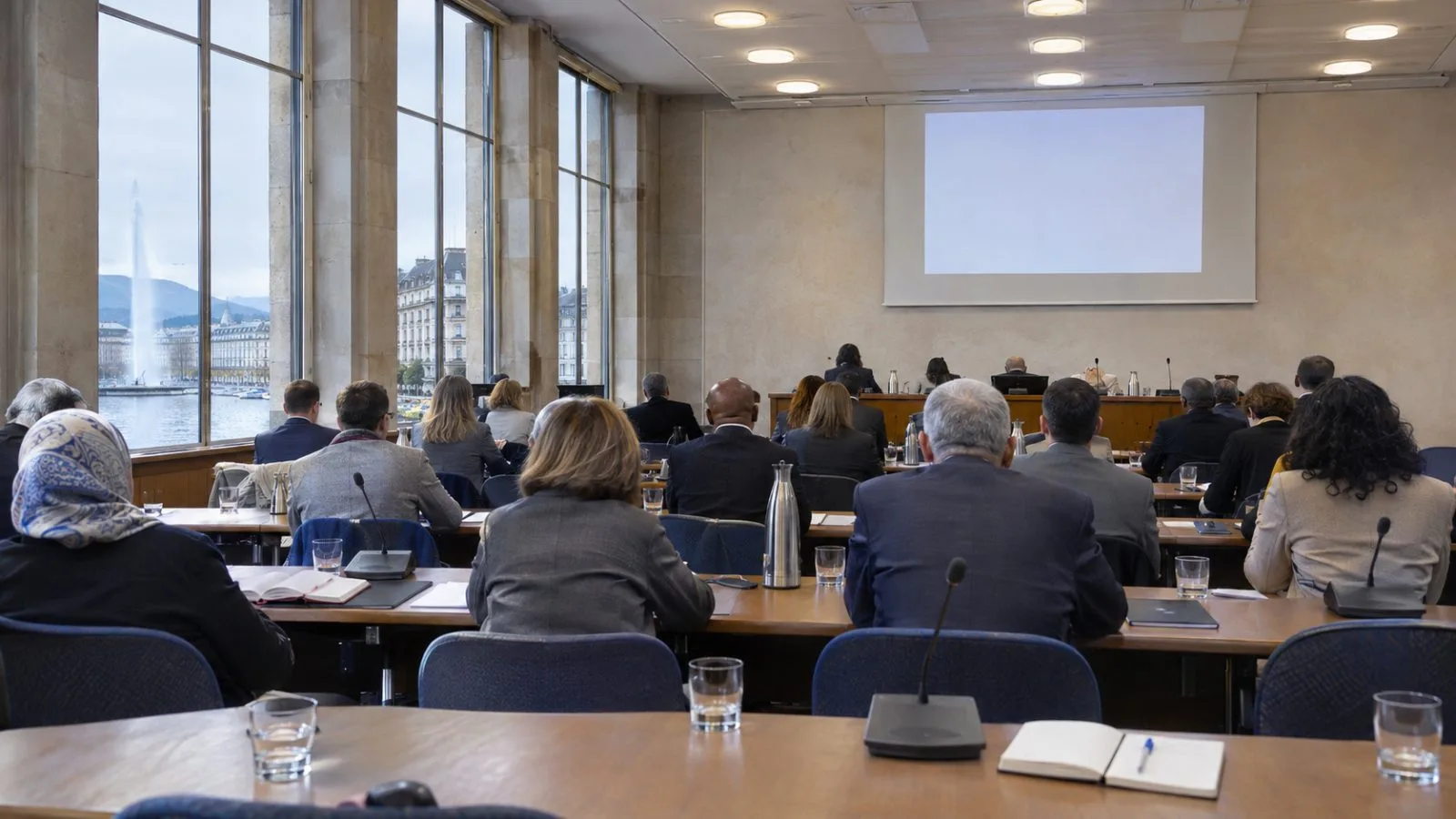
Investors and officials from national and local government joined representatives of nature projects in Bristol on Nov. 5. The OfI hosted the discussion with Lloyds Banking Group and West of England Mayor Helen Godwin.
The report identifies potential investment across catchment resilience, regenerative farming, woodland and peat restoration, habitat markets and nature-smart infrastructure. It gives no overall estimate, investment target or timetable for reaching that scale.
To address the barriers, the report recommends regional aggregation platforms that can combine separate projects into investable portfolios. It also calls for nature recovery to be linked with existing infrastructure and supply-chain investment, alongside clearer revenue structures and standards.
As background, the report cites England’s 2023 Nature Markets Framework and the Biodiversity Net Gain requirement introduced in February 2024 as steps in developing nature markets. It says the market still lacks structures that can make projects easier for investors to assess and finance.
OfI Chief Executive Parminder Kohli said the office aims to help promising projects become “investment-ready.” The report lists stronger regional resilience, improved water and land outcomes, lower future public costs, and more jobs and economic activity in rural and coastal communities as potential benefits of nature investment.
The £5 million West of England Nature Fund was announced by the regional authority in May and approved in July for landscape-scale projects over three years. The Bristol meeting announcement named no new project allocations or investor commitments.