Britain's reopened Palestinian resettlement process takes referrals from Jordan and Lebanon, while a separate tribunal ruling requires fresh decisions on biometric exemptions for two families seeking to join relatives in the UK.
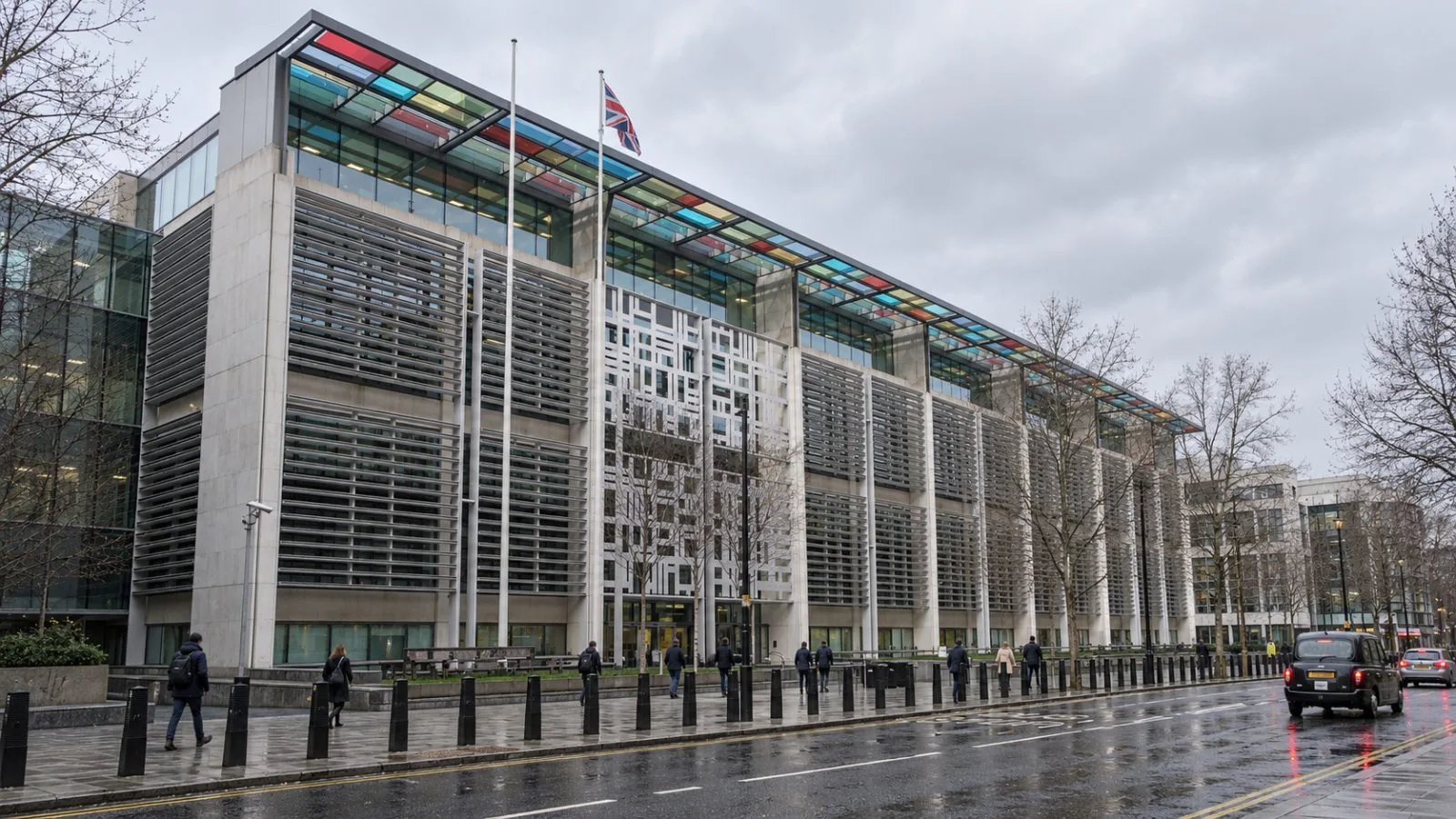
The Home Office reopened the UK Resettlement Scheme to referrals on Sept. 28. It expects about one in four referrals to be for Afghan women and girls and Palestinian refugees combined. The International Refugee Assistance Project (IRAP) says humanitarian organizations in Jordan and Lebanon refer urgent cases to it. IRAP interviews people and decides whether to refer them to the UK government; people cannot apply directly to this process, which does not cover people in Gaza.
The Upper Tribunal case concerns two mothers and five children, who were seven or younger when Judge Fiona Lindsley issued her ruling on Sept. 30, 2026. Their husbands and fathers have protection status in Britain. On Oct. 5, Greater Manchester Immigration Aid Unit, which represents the families, said they remained separated.
The tribunal's judgment describes inadequate food and clean water, illness and dangerous living conditions. Gaza's visa application center has been closed since Oct. 7, 2023, so the families could not provide fingerprints and facial images there. They offered to provide biometrics in Amman, Jordan, before traveling to Britain.
Lindsley found that the Home Office had acted irrationally and breached the families' right to respect for family life under Article 8 of the European Convention on Human Rights by failing to properly consider exceptions to pre-travel checks. The tribunal quashed the refusals and ordered fresh decisions; the Home Office must reconsider biometric excusal, while entry clearance remains undecided. The order also requires the department to pay the applicants' reasonable legal costs.
The resettlement scheme is separate from the refugee family reunion route, which the government suspended for new applications on Sept. 4, 2025, citing pressure on public services and local authorities. Earlier applications remain under the previous rules, while later applicants may use other family visa routes. The tribunal refused the Home Office permission to appeal; the families' representative said the department intends to seek permission from the Court of Appeal.
For one family, the published order gives the Home Office three weeks after checks on specified applicants' passports are complete to decide whether to excuse biometrics. If it grants the exception, it must issue visas within two working days.