Britain pressed Russia on Oct. 21 to disclose how many foreign nationals currently serve in its armed forces, citing allegations that people offered civilian jobs have instead entered military service.
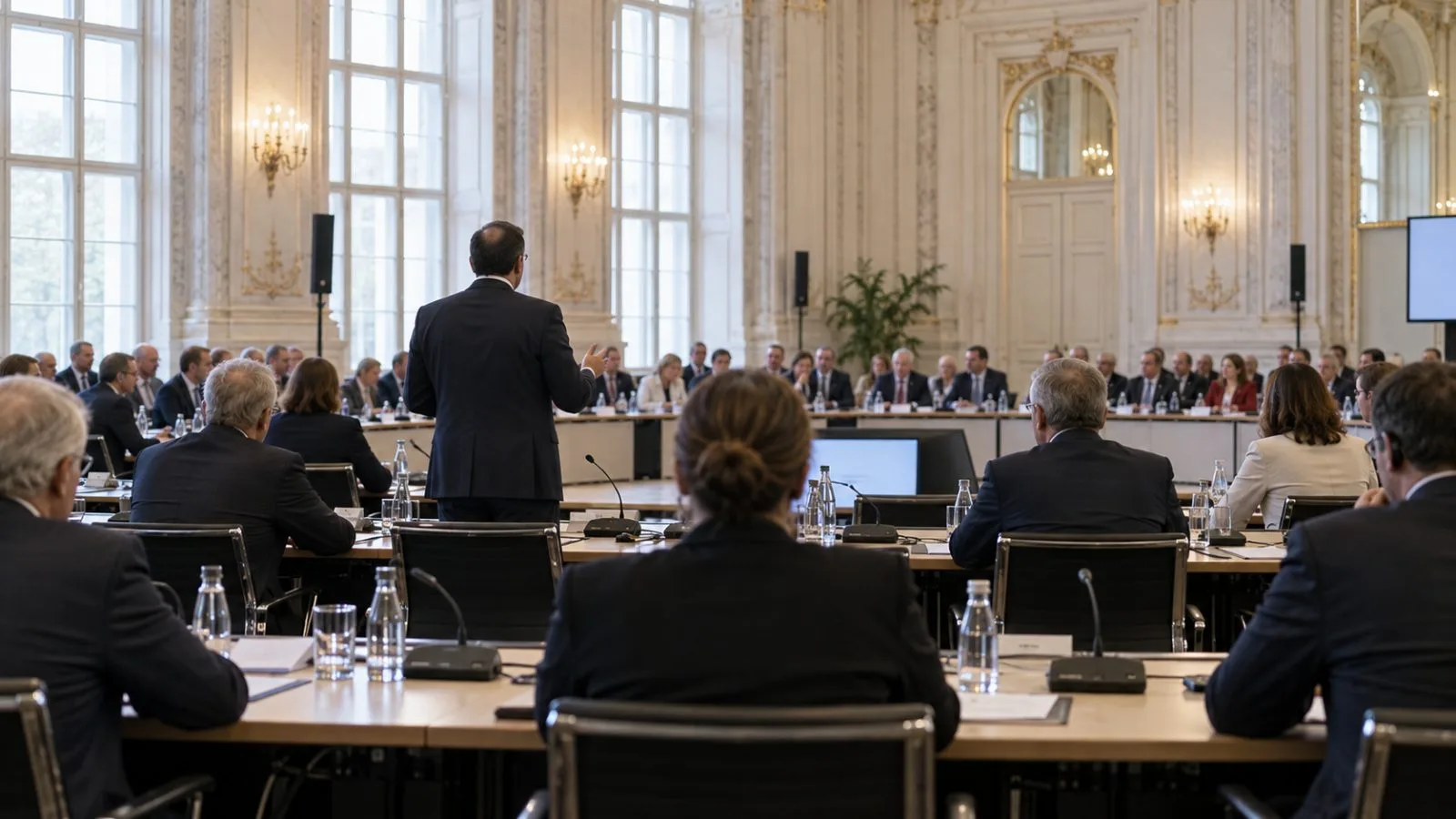
At a Vienna meeting of the Organization for Security and Co-operation in Europe (OSCE), UK Senior Military Advisor Colonel Joby Rimmer accused Russia of recruiting foreigners through deception. He asked how Moscow ensures recruits understand their contracts, consent to them and can leave service lawfully.
The UK statement did not give a current figure for foreign nationals serving in Russia's forces.
Amnesty International said in September that some people it interviewed had expected civilian work but ended up in military service. Interviewees also described signing contracts they could not understand, restrictions on their movements and threats when they tried to leave. Its research included nationals of eight countries interviewed at Ukrainian prisoner-of-war camps. Amnesty concluded that many of the cases it examined amounted to human trafficking.
The OSCE’s Office for Democratic Institutions and Human Rights (ODIHR) separately recorded allegations of false civilian job offers and pressure to sign contracts recruits did not understand. Its July report also described pressure to serve while detained in Russian prisons.
A Kenyan parliamentary account published Oct. 9 said the government had records of 354 nationals connected to the war, including 62 repatriated and five confirmed prisoners of war. In April, Kenya’s Prime Cabinet Secretary and Cabinet Secretary for Foreign and Diaspora Affairs Musalia Mudavadi told lawmakers that most Kenyans who enlisted in Russia’s military operations had done so knowingly and willingly.
Botswana’s Minister for International Relations, Dr Phenyo Butale, said in August that schemes built on misleading offers had affected nearly 22 Batswana. A government account said eight people were intercepted and returned at airports in Botswana, South Africa and Ethiopia.
The UK’s published remarks included no Russian answer to its request for a current count or to Rimmer’s questions about contracts and lawful exits.