A review by the UK's Financial Conduct Authority (FCA) found that defense-sector small and medium-sized enterprises (SMEs) face slow banking decisions, creating operating hurdles without evidence of widespread exclusion.
The assessment covered business account applications, continuing account services and related banking products. Lending, investment and other forms of finance were outside its scope. Firms consulted by the FCA generally said they were willing to serve defense companies. The regulator also heard about lengthy account setup, further documentation demands and slow decisions.
The FCA said firms may weigh financial-crime exposure, reputational concerns, environmental, social and governance factors, sustainability, supply-chain links and product end use, as well as commercial strategy and risk appetite. It called for checks to reflect the activities and risks of each applicant.
The sector ranges from software and logistics providers to companies working with dual-use technology or producing weapons. The FCA said standard business classifications may fail to identify some defense-related companies. Delays can affect government procurement, payments, supplier onboarding, contracts and working capital, it said.
Greg Sachrajda, the FCA's head of department for retail banking, described the pattern as “friction and delay rather than widespread exclusion.” The review did not give an account-refusal rate or typical onboarding time.
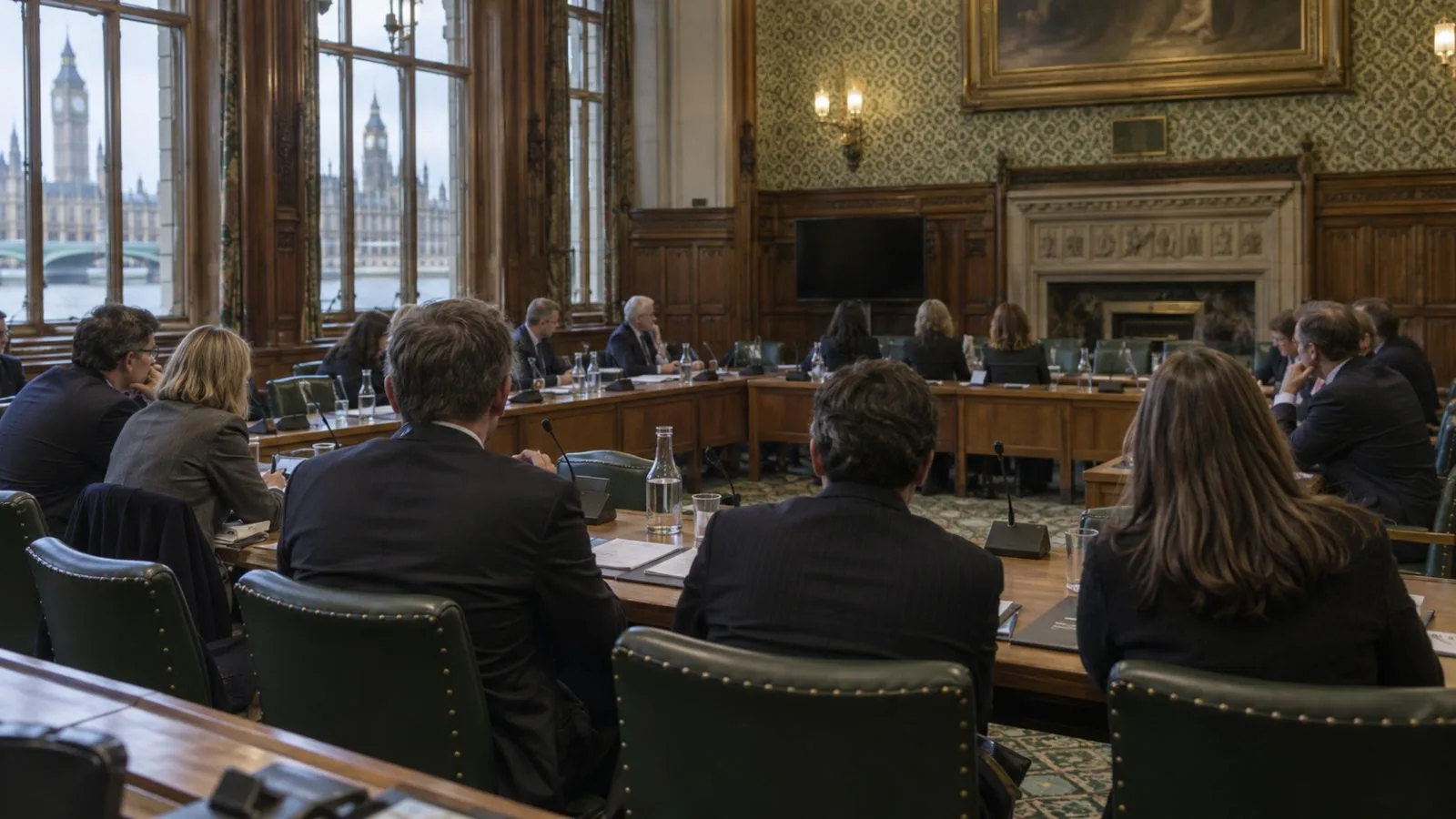
Parliament has also heard concerns about access to banking. In a Sept. 15 report, the Scottish Affairs Committee said it was concerned by reports of defense businesses being denied banking services and called on the UK government to address the issue. In March, Samira Braund, Defence Director at ADS, told a House of Commons committee, “Debanking still goes on,” citing the trade group's latest survey. The hearing transcript did not state the survey's figures.
The FCA said its findings create no new rules or obligations. It has written to firms serving SMEs and will monitor their responses through supervision. The regulator has also said businesses have no legal right to a bank account and that it cannot require firms to offer accounts to business customers.