The United Kingdom urged governments and maritime industry to coordinate safeguards for emerging shipping technologies, saying risks to freedom of navigation can disrupt supply chains and threaten food and energy security.
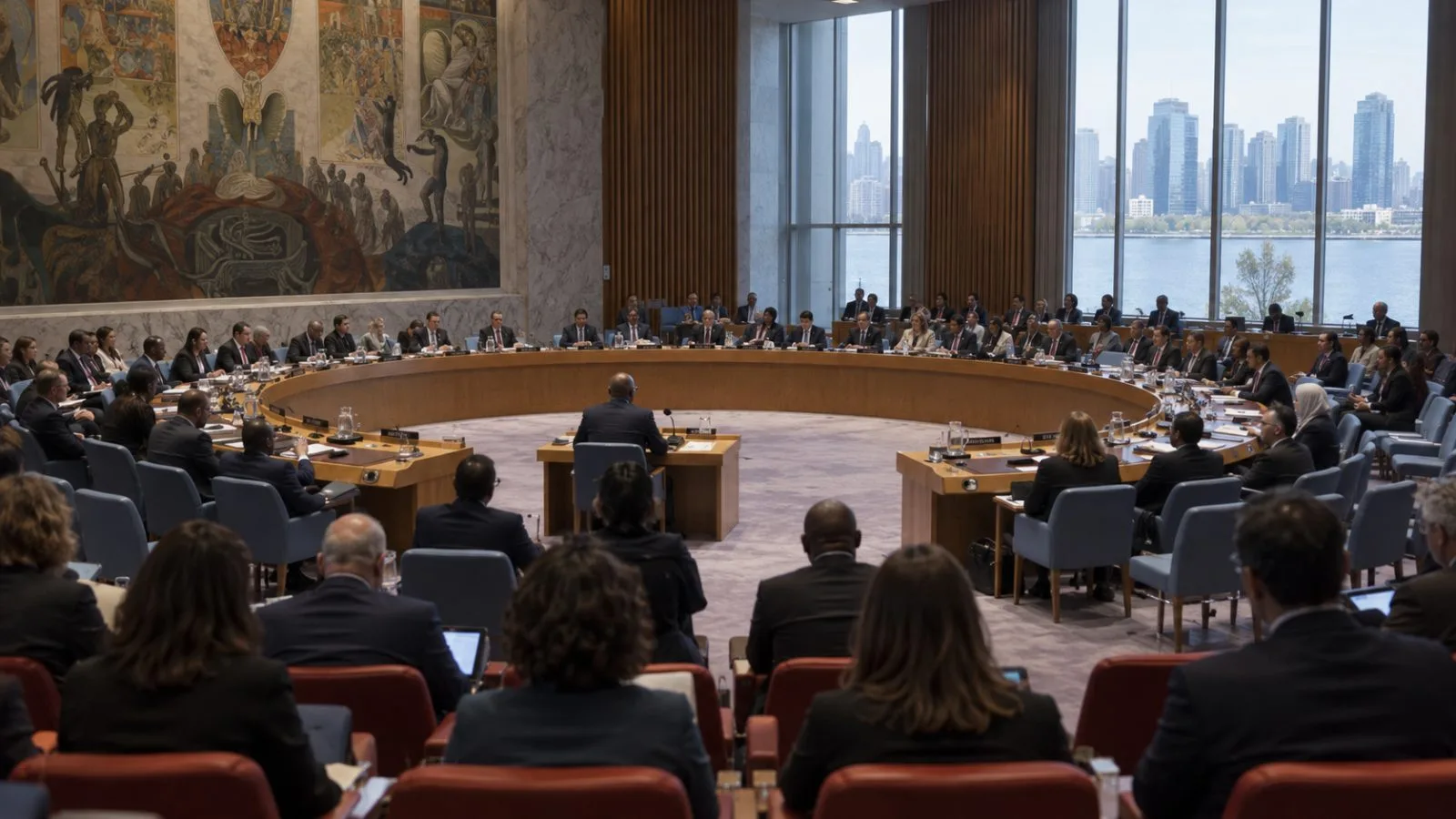
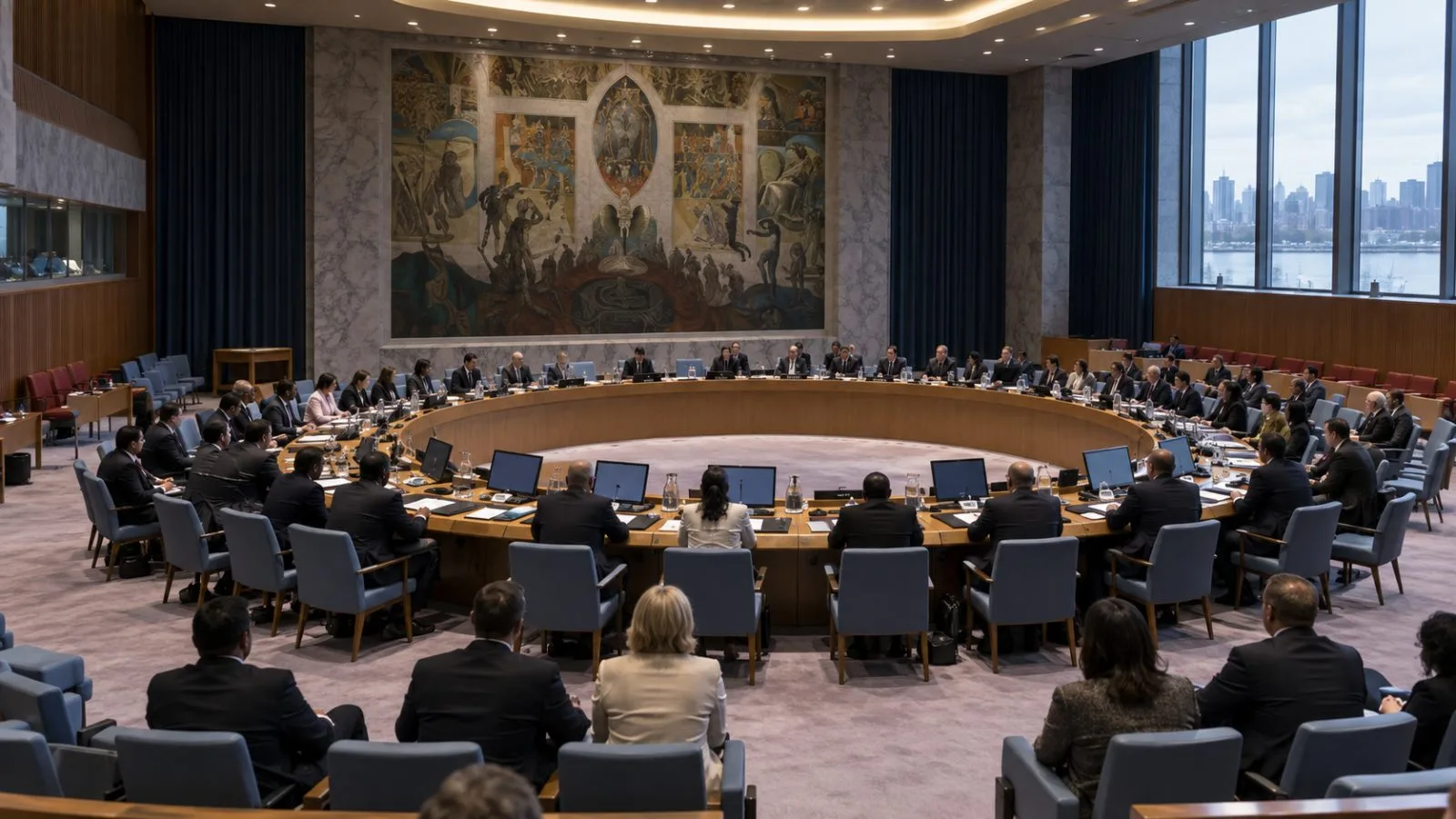
Chris Elmore, a Parliamentary Under-Secretary of State at the Foreign, Commonwealth and Development Office, made the call at a United Nations (UN) Security Council open debate in New York on Oct. 29. He identified three priorities: uphold international law, ensure technologies are used safely and securely, and strengthen cooperation among governments, industry and international organizations.
Elmore said maritime technologies can improve safety, efficiency, situational awareness and responses to threats. He said seafarers remain central to shipping and that disruption can harm shared security and prosperity, with the most vulnerable facing the greatest effects. “The answer to technological change is not to retreat from innovation, but to shape it responsibly,” he said.
The UN Institute for Disarmament Research (UNIDIR) says growing links between digital systems and maritime operations can leave ports and supply chains exposed to cyber disruption.
Separately, the Associated Press reported that three maritime drones struck the Liberian-flagged container ship Contship Jet about 21 nautical miles off Bulgaria on Oct. 28. Bulgaria’s maritime administration said the vessel sank the next day. The AP reported that all 18 crew members were rescued.
The International Maritime Organization (IMO) adopted its International Code of Safety for Maritime Autonomous Surface Ships on May 22, 2026. The nonmandatory code covers cargo ships and took effect July 1. The IMO expects to adopt a mandatory version by July 1, 2030, for entry into force on Jan. 1, 2032.
In March 2026, the IMO’s Facilitation Committee agreed to develop a nonmandatory Maritime Cyber Code and established a correspondence group. A working group planned for 2027 remains subject to further approvals. The IMO’s next listed step on autonomous shipping is work on an experience-building phase at its Maritime Safety Committee session in December 2026.