Britain is providing practical support to help the International Criminal Court withstand US sanctions, the UK government said during questions in the House of Lords. The support includes witness protection and sentence enforcement as the court faces the sanctions.
The response went beyond Britain's earlier diplomatic opposition to the sanctions, setting out areas of assistance for the court. It described practical support alongside that opposition. It offered no specific new protection measure for individual staff or timetable for further action to help them.
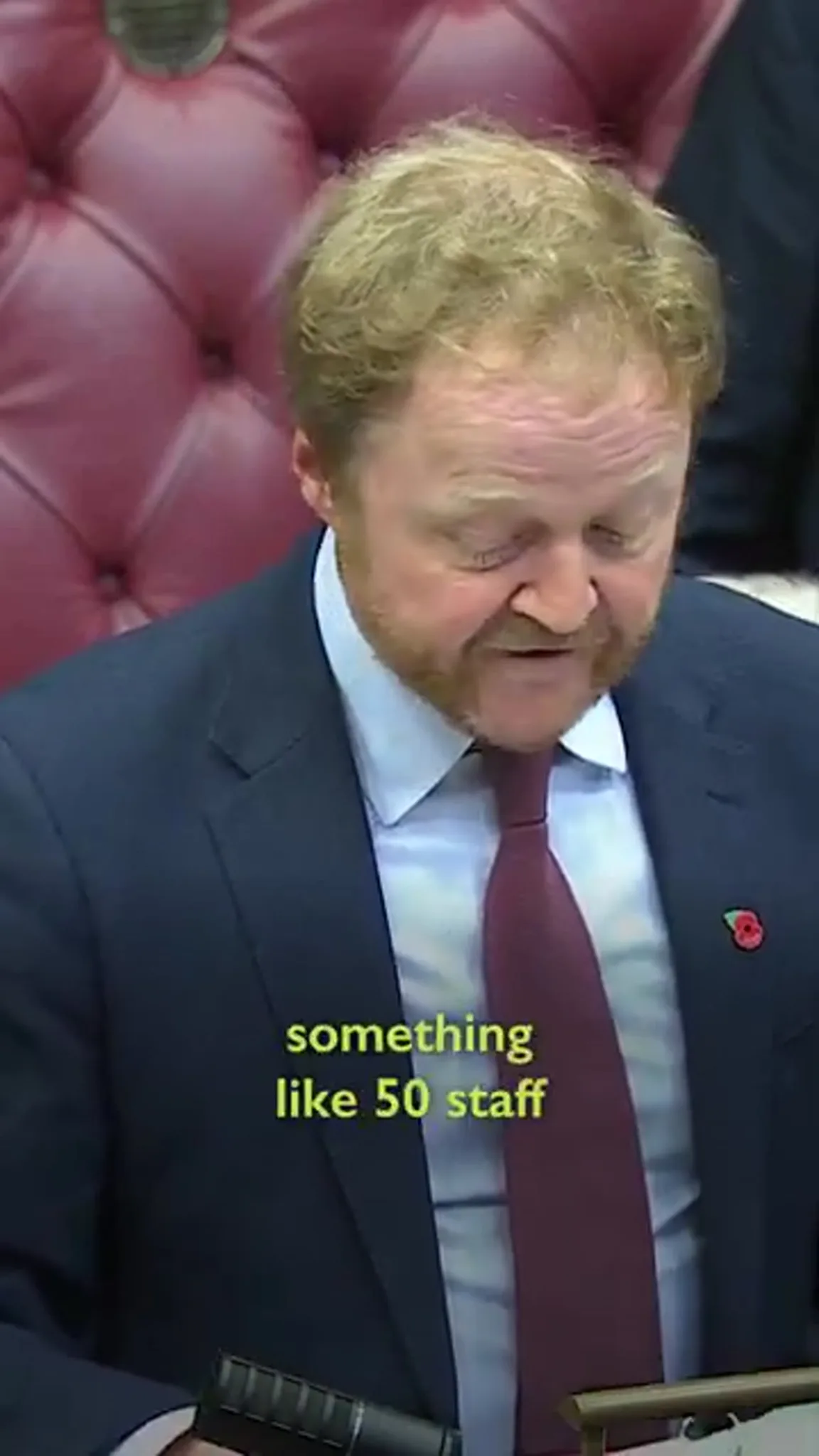
The government outlined its position in an exchange published on Oct. 27 on UK Parliament's own channel. The exchange was an official account of the government's position rather than independent reporting on the assistance it described.
The government said about 50 British staff worked at the court. It was in close contact with the court and British nationals affected by the sanctions. Its account of contact with those affected accompanied its description of practical assistance for the institution.
The International Criminal Court prosecutes individuals accused of crimes including genocide and war crimes. The question before the government concerned both the court's long-term survival and protection for employees facing sanctions. It sought an account of support for the institution and for individual members of its staff.
The government also identified support for the court's internal reform processes as part of its practical assistance. It did not explain how that support, witness protection or sentence enforcement would address the sanctions' effects on individual employees. Those effects were among the concerns raised in the question.
Britain joined a statement opposing the sanctions within hours of the American announcement, the government said. Foreign ministers from Australia, Canada, Denmark, France, Germany, Italy, Japan and the Netherlands also signed it. The statement expressed opposition to the sanctions imposed on the court.
The question asked what Britain was doing to ensure the court could survive over the long term despite US-led sanctions. It also sought details of help for individual staff facing action from President Donald Trump. The request for details therefore covered both the court's future and assistance for its employees.
The response identified existing areas of support and contact with affected British nationals, but gave no funding amount or commitment to introduce an additional measure. It set out the areas in which Britain was providing assistance without specifying a further measure for individual staff.