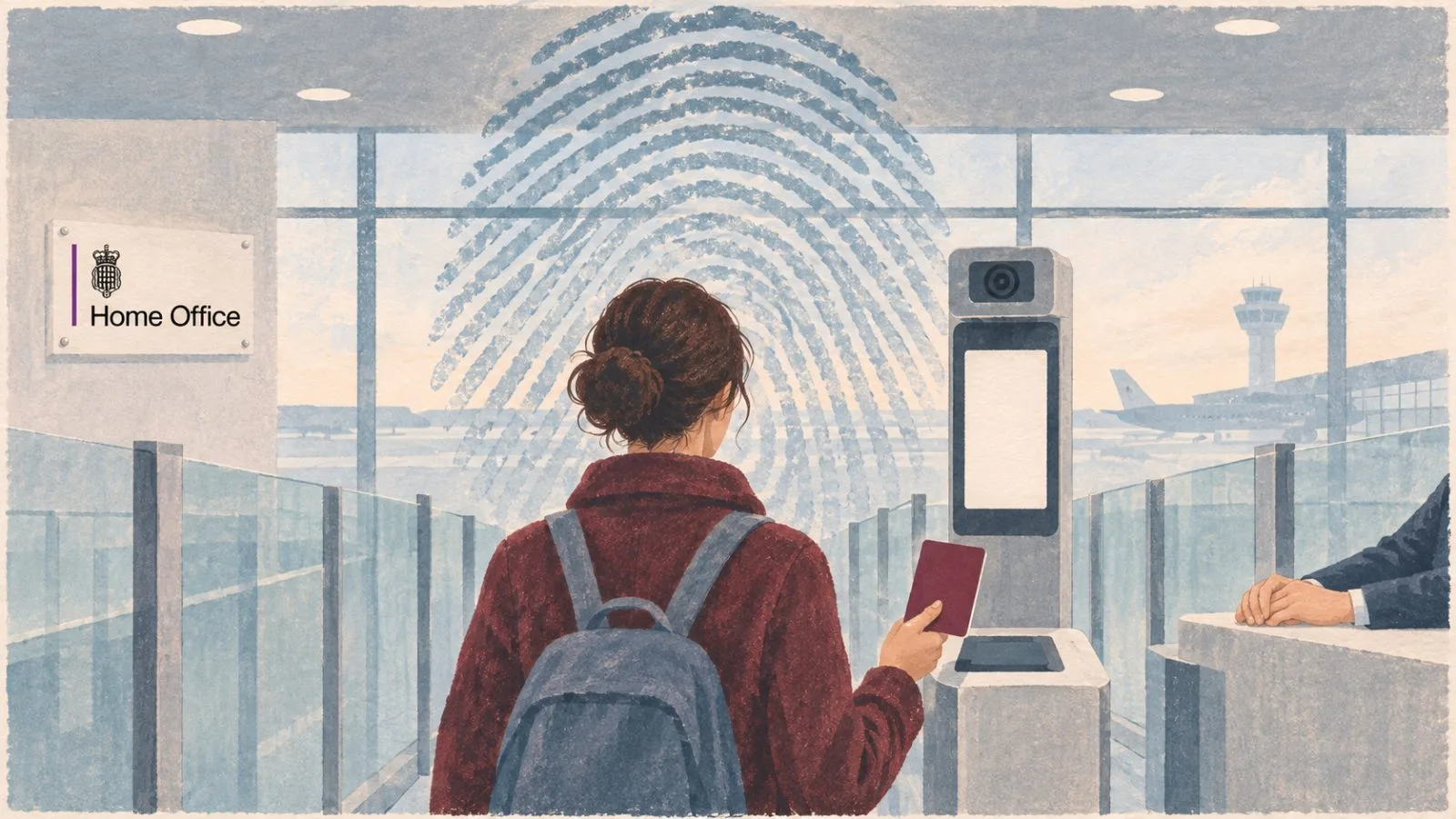
About 150,000 British 16- and 17-year-olds lack both a passport and a provisional driving license, raising photo ID access questions as the government prepares social media age limits, Ofcom said.
The UK's communications regulator based its estimate on CitizenCard evidence from a nonrepresentative school survey of 8,459 people aged 16 and 17. The figure does not show how many teens would fail an age check or be unable to use a platform. The Guardian separately projected that more than 100,000 could be at risk if they lacked a passport or driving license when the ban takes effect; that is not an Ofcom estimate.
At the 16-year-old threshold, Ofcom pointed to four possible verification routes: photo ID matching, bank-based checks, digital ID services and facial age estimation. Some routes require photo identification or could use it as a backup. About 90% of UK teens aged 16 and 17 had a bank account, according to a 2022 Money and Pensions Service survey of about 800 people in that age group. Ofcom said whether banking checks are available will depend on which banks offer them.
Facial age-estimation systems can be off by several years around age 16. Ofcom recommends an additional check for people close to the threshold. Other photo ID may be available: PASS-accredited cards can often be obtained without existing photo ID. From Oct. 1, 2026, UK residents aged 16 and 17 can apply for their first CitizenCard free through the standard online process, the company says. Ofcom notes that some teens may need help applying or may not have independent access to an adult's ID.
The government's plan would make social media access unavailable to under-16s. For 16- and 17-year-olds, the starting settings would pause use during a six-hour overnight window and turn off autoplay and personalized feeds, though teens could change those defaults.
Secretary of State for Science, Innovation and Technology Liz Kendall said the government intends to put initial regulations before Parliament by the end of 2026. The government expects the restrictions to begin in spring 2027, and Ofcom plans to consult on guidance after the regulations are laid. Ofcom Chief Executive Dame Melanie Dawes said, "It can work if social media firms do highly effective age checks properly." The regulator said it will track attempts to bypass checks and publish research within 12 months of the ban taking effect.