


 Italy’s Meloni Warns US-Russia Diesel Deal Could Weaken Ukraine Sanctions
  Trump Confirms US Intelligence Sharing With Ukraine Amid Russian Strikes
  Flavio Bolsonaro Backs Brazil’s 40-Hour Workweek Reform Ahead of Runoff
  SpaceX Starlink Restrictions Disrupt Ukraine Military Operations
  Netanyahu Rejects Preemptive Iran Strike Ahead of Israel Election
  Trump Warns Houthis Over Attacks, Considers Erdogan Intervention
  Gaza Olive Harvest Collapses as War Destroys Farmland
  Elon Musk Donates $366 Million to 2026 US Midterms
  US Supreme Court Denies Release of Anti-ICE Activist Kyle Wagner
  Container Ship Sinks in Strait of Hormuz as Iran Attacks Escalate
  MI5 Warns of Rising Iran, Russia Threats and AI Bioweapon Risks
  US Condemns China Sanctions on Taiwan Allies Belize and Paraguay
  Zelenskiy Seeks New US Talks to Revive Ukraine-Russia Peace Negotiations
  Zelenskiy Says Ukraine Received No Warning Before Russian Missile Attack
  US Justice Department Drops Prosecution of Ex-CIA Analyst Sue Mi Terry
  China Resumes US Soybean Purchases After Trump-Xi Summit


 Add as a preferred source on Google
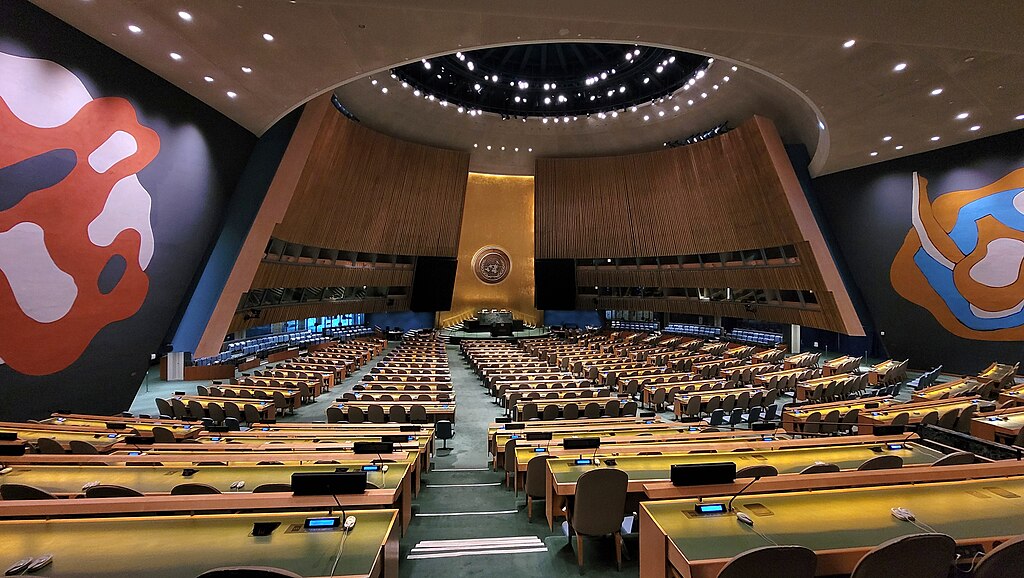
United Nations peacekeeping chief Jean-Pierre Lacroix has urged the UN Security Council to begin negotiations over the future of UN peacekeepers in Lebanon as the country seeks to extend the mission's mandate beyond December 2026.
The United Nations Interim Force in Lebanon (UNIFIL), established in 1978, faces an uncertain future after the Security Council decided last year that the mission should begin withdrawing at the end of 2026.
However, renewed fighting between Israel and the Iran-backed Hezbollah militant group in March has prompted Lebanon to push for an extension. Beirut argues that UNIFIL remains essential for monitoring military activities, delivering humanitarian assistance and preventing further escalation along the southern border.
Speaking to Reuters in Beirut on Wednesday, Lacroix said UN Secretary-General Antonio Guterres had already submitted proposals for maintaining a uniformed UN presence in Lebanon. However, Security Council members have yet to formally advance discussions.
Lacroix expressed optimism that negotiations would begin soon, emphasizing that an early decision would help peacekeeping officials prepare for the mission's future.
Diplomatic sources indicate that the United States opposes extending UNIFIL's existing mandate. Nevertheless, Lacroix stressed that Lebanon's request deserves consideration and that negotiations could produce a workable agreement.
Approximately 7,500 UNIFIL peacekeepers remain stationed across roughly 50 positions in southern Lebanon. Without a replacement UN mission, these facilities would eventually be transferred to the Lebanese military.
That transition presents significant challenges because many UNIFIL positions are located in areas currently occupied by Israeli forces. Questions remain over whether Lebanese troops could safely assume responsibility for those locations.
Lacroix warned against withdrawing peacekeepers before determining what international security arrangements might follow.
Beyond monitoring hostilities and supporting humanitarian operations, UNIFIL maintains a direct communication hotline between Israeli and Lebanese military authorities to reduce tensions and prevent misunderstandings.
The peacekeeping chief highlighted the importance of this coordination mechanism as Israeli forces maintain a self-declared security zone inside Lebanese territory.
With both militaries operating in overlapping areas, Lacroix warned that isolated incidents could rapidly escalate into broader confrontations.
He emphasized that an independent third party remains crucial for managing tensions, preventing military miscalculations and maintaining stability in southern Lebanon as the Security Council considers the future of UN peacekeeping operations.







