As armed forces use artificial intelligence to act faster, human control of military decisions is coming under strain, United Nations Institute for Disarmament Research (UNIDIR) Director Robin Geiss warned Tuesday.
Geiss said militaries want to shorten the interval between finding a target and striking it, while increasing the number of targets they can engage each day. That acceleration leaves less time for people to assess the consequences, including in nuclear operations, he said.
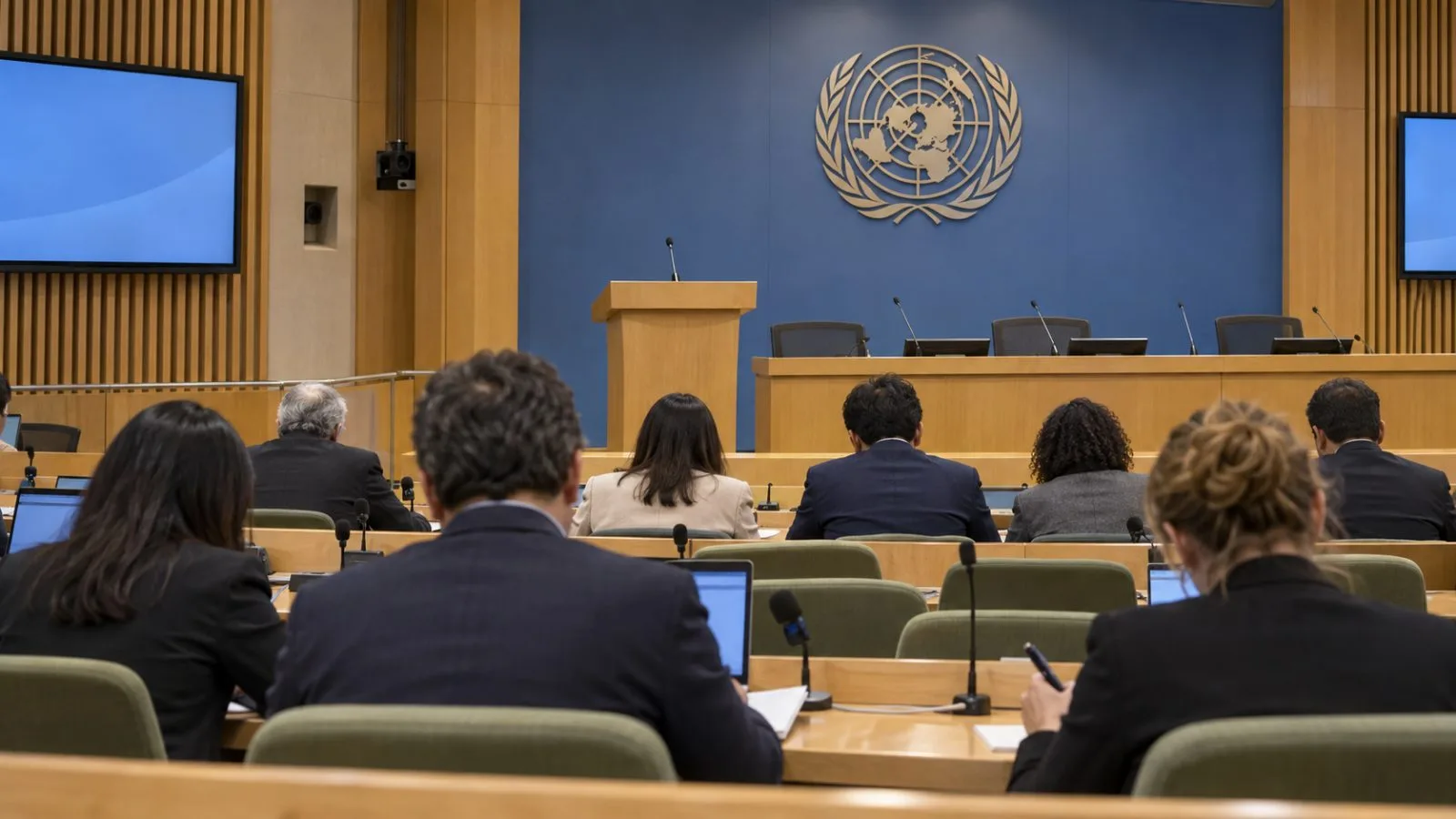
AI is already used in intelligence analysis, target identification, drone operations and cyberattacks, Geiss said at a U.N. news conference in New York. He warned that systems whose behavior is difficult to understand can increase the risk of mistakes and escalation.
His concern extends beyond individual weapons. As military processes grow faster and more complex, people could lose control of the broader operation, he said.
Geiss said decisions by a few countries and firms now affect other countries’ security beyond the reach of existing arms control frameworks. Companies’ choices about AI design, training data and testing influence how predictably military systems behave and whether they can be used in line with international law, he said.
Geiss also said wider access to AI is lowering the barrier for armed groups to carry out sophisticated operations. UNIDIR is examining the risk of misuse and developing voluntary guidance for companies. He said safeguards should preserve access to peaceful uses of AI.
The institute plans an AI security lexicon to clarify terms and document where definitions differ. It also plans to gather input from participants across sectors through a forum linked to its Centre of Excellence on AI, Peace and Security, launched in June.
UNIDIR plans to open the forum with Switzerland and Pakistan on Thursday, Oct. 22, in New York, when expressions of interest are also set to open. An event on the lexicon is scheduled for Friday, Oct. 23.