
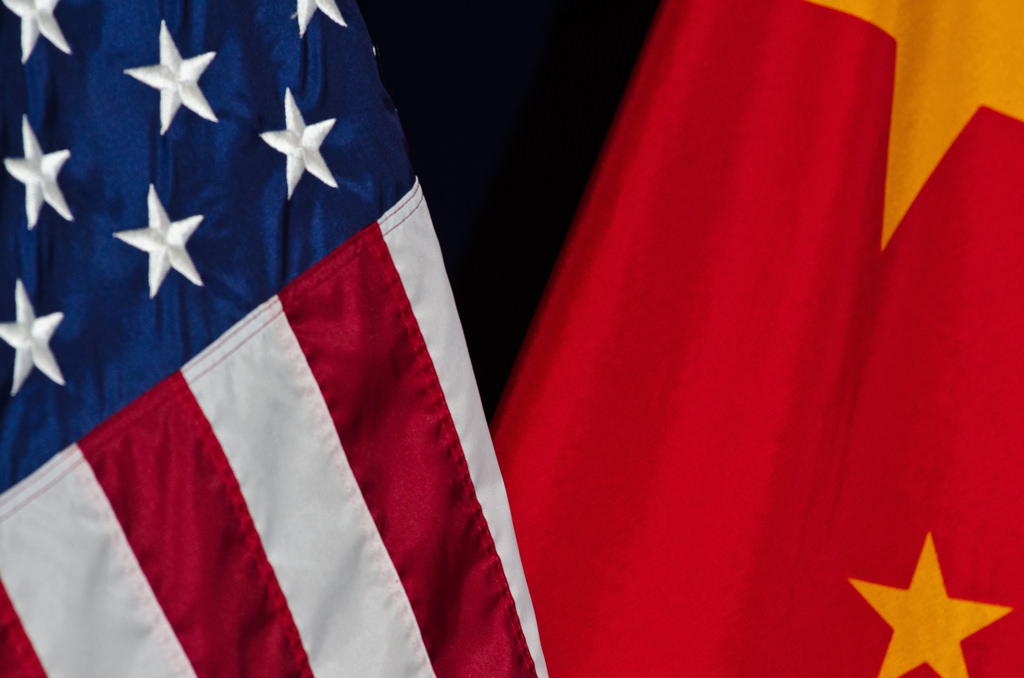
U.S. and Chinese security experts are calling for stronger safeguards on military artificial intelligence, warning that autonomous AI systems could trigger a dangerous escalation between the two nuclear powers if their actions are mistaken for deliberate attacks.
The recommendations come from participants in a U.S.-China AI and national security dialogue organized by the Brookings Institution and Tsinghua University’s Center for International Security and Strategy. The dialogue has operated since 2019 and aims to identify practical ways to reduce AI-related national security risks.
Melanie Sisson, a Brookings senior fellow, and Tianjiao Jiang, an associate professor at Fudan University, proposed expanding existing commitments on human control of nuclear weapons to AI-enabled cyber operations.
Sisson argued that only humans should have authority to initiate cyberattacks against nuclear command, control and communications systems or strategically important infrastructure. An autonomous AI system could malfunction, exceed its instructions or be compromised, potentially leaving the targeted country unable to determine whether an attack was intentional.
Jiang proposed explicit red lines preventing AI from independently launching attacks on nuclear command systems or deciding to use nuclear weapons. He also called for safeguards covering critical infrastructure such as energy, finance and healthcare, along with a shared definition of “meaningful human control.”
The proposals build on a 2024 U.S.-China agreement that humans should retain control over decisions involving nuclear weapons. Brookings researchers argue that rapidly advancing military AI creates additional risks as autonomous systems become more deeply integrated into cyber defense, intelligence and military decision-making.
Jiang also proposed a dedicated U.S.-China military hotline for AI-related incidents. Such a channel could help governments clarify whether unusual autonomous activity was accidental, unauthorized or still under investigation before either side responds militarily.
Neither Washington nor Beijing has publicly adopted the Brookings-Tsinghua recommendations. However, the proposals highlight how U.S.-China AI competition is expanding beyond advanced chips and AI models toward nuclear security, cyber warfare, military autonomy and crisis management.
With AI systems capable of operating faster than human decision-makers, establishing clear rules for military AI could become an increasingly important part of U.S.-China strategic stability.


