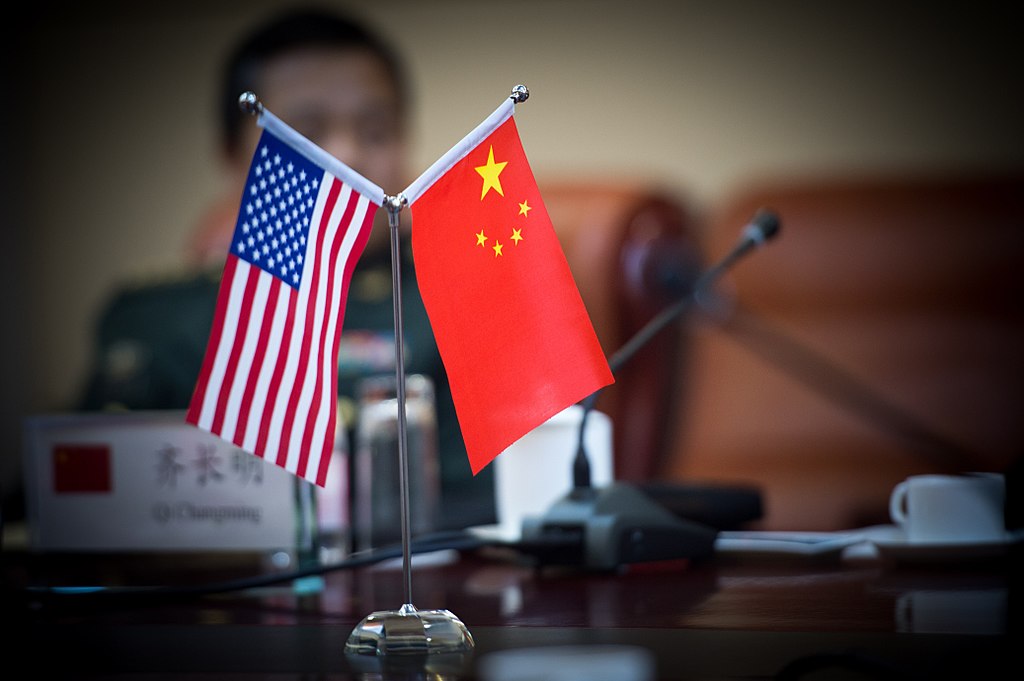
The United States and China have agreed to extend their trade truce, known as the “Busan Agreement,” until Jan. 10, giving the world’s two largest economies additional time to negotiate a broader economic agreement.
U.S. Treasury Secretary Scott Bessent announced the extension on Wednesday after meeting Chinese Vice Premier He Lifeng in Washington. The talks came ahead of a highly anticipated summit between U.S. President Donald Trump and Chinese President Xi Jinping.
“We have agreed today that we will extend what we call the Busan Agreement,” Bessent told Fox News. The existing arrangement had been scheduled to expire on Nov. 10 but will now remain in effect for another two months.
The U.S.-China trade truce was originally reached during a meeting between Trump and Xi in Busan, South Korea, last year. The agreement helped ease trade tensions after Washington and Beijing imposed escalating tariffs on each other’s goods.
Under the Busan deal, the two countries lowered some of the tariffs introduced during the trade dispute. China also agreed to loosen restrictions covering rare earth magnets and other critical minerals, which are essential for industries ranging from electric vehicles and electronics to defense and advanced technology.
Earlier Wednesday, Bessent said the Trump administration was considering both an extension of the existing trade framework and a broader economic agreement proposed by Beijing.
The decision to extend the truce reduces the immediate risk of another escalation in U.S.-China tariffs while negotiations continue. However, several major economic and strategic issues remain unresolved between Washington and Beijing.
Trade, artificial intelligence and access to critical minerals are among the key subjects under discussion as officials prepare for the Trump-Xi summit.
The extension gives negotiators until January to seek progress toward a more comprehensive U.S.-China trade deal, while businesses and financial markets will closely watch the upcoming presidential talks for signs of further agreements or changes to tariff policy.