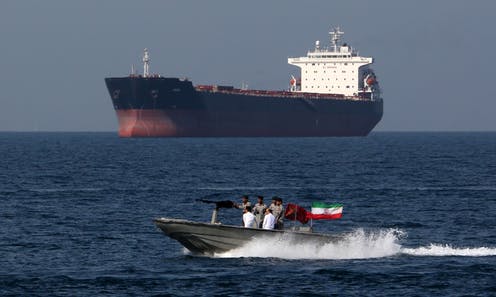
The United States expects Iran and Oman to reach an agreement soon that could restore commercial shipping through the Strait of Hormuz, a critical route for global oil and energy supplies, according to a Reuters report citing a U.S. official.
The official said progress has been made in negotiations between Tehran and Muscat over maritime access. Washington is prepared to lift its blockade of Iranian ports after an agreement is announced, provided Iran allows commercial vessels to travel through the Strait of Hormuz without interference.
A deal involving Iran and Oman could become an important step toward a wider peace agreement after five months of conflict. The Strait of Hormuz, located between Iran and Oman, is one of the world's most important energy shipping corridors. Before the U.S. and Israel launched military action against Iran on February 28, roughly one-fifth of global oil consumption moved through the waterway.
Shipping disruptions, attacks on vessels and Iranian transit charges have since contributed to higher energy prices and increased inflationary pressures. Abu Dhabi National Oil Company said 15 of its vessels have been hit in the strait since fighting began, leaving one crew member dead and 20 others injured.
Security developments elsewhere in the Middle East have also attracted attention. Saudi Arabia, Pakistan and Turkey signed a collective defense agreement in Mecca under which an armed attack on one member would be considered an attack on all three. Turkey described the pact as defensive and said it was not aimed at any specific country.
Meanwhile, Lebanon and Israel have reportedly agreed on a shortlist of countries that could contribute troops to verify Hezbollah's disarmament as part of a U.S.-brokered arrangement.
Iranian President Masoud Pezeshkian has defended negotiations with the United States despite criticism at home. He said most senior Iranian military commanders support diplomatic efforts designed to end the fighting.
U.S. Central Command has not reported strikes against Iran since July 29. Previous attempts to establish a durable ceasefire have failed, making a potential Iran-Oman Strait of Hormuz agreement an important development for regional security, global shipping and oil markets.