


 Nvidia-Groq AI Chip Deal Faces U.S. Antitrust Probe
  France Urges Faster AI Push Despite Safety Risks
  UK PM Andy Burnham Set for First Trump Meeting in New York
  Banking scandal rocks Brazil’s politics and the country’s presidential election in October
  Guterres Urges Stronger Global AI Safeguards Ahead of UN Assembly
  US Immigration Arrests Surge as Deportations Lag Behind
  US Allies Fear Trump Could Soften Taiwan Stance in Xi Talks
  Iran Economic Crisis Forces Afghan Families to Return Home
  U.S. Imposes New Visa Restrictions Over South Africa Policies
  North Korea Vows to Expand Nuclear Arsenal Amid U.S.-Led Military Buildup
  Judge Blocks Trump Rule Limiting Foreign Student Visas
  U.S. Probes Apex Logistics Over Nvidia AI Chip Shipments to China
  Who should own the knowledge that underpins AI technology?
  DOJ Will Investigate AI-Related Crimes, Attorney General Blanche Says
  US Resumes Immigrant Visa Processing for Hungary, Poland
  FDA Weighs Safety Standards for Psychedelic Therapies
  Paris Talks Focus on Lebanon Army Needs as UNIFIL Exit Looms


 Add as a preferred source on Google
The Trump administration has approved over $8.6 billion in military sales to key Middle East allies, including Israel, Qatar, Kuwait, and the United Arab Emirates, bypassing the usual congressional review process. This move comes during a period of heightened geopolitical instability, as tensions linked to the ongoing conflict involving Iran continue to impact regional security dynamics.
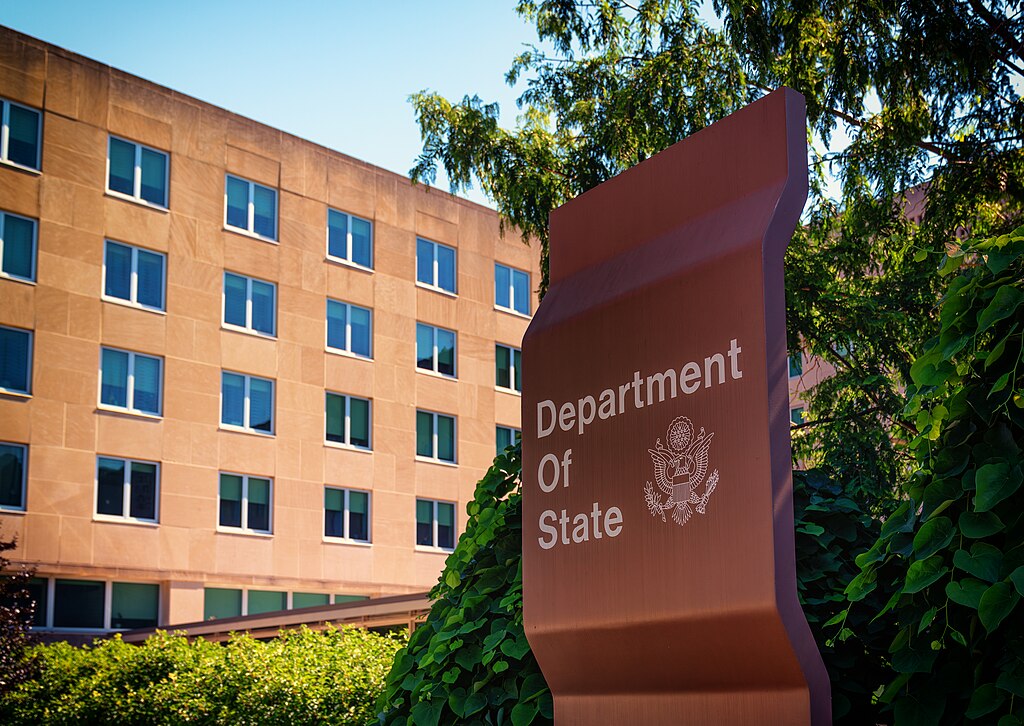
According to reports, the U.S. State Department invoked emergency authority to accelerate the approval process, with Secretary of State Marco Rubio stating that urgent circumstances required immediate action. This decision enables faster deployment of advanced defense systems to allied nations, reinforcing U.S. strategic partnerships in the region.
The largest portion of the deal includes a $4.01 billion Patriot missile defense system replenishment for Qatar, alongside $992.4 million worth of Advanced Precision Kill Weapon Systems (APKWS). Kuwait is set to receive an integrated battle command system valued at $2.5 billion, while Israel will acquire APKWS equipment worth nearly $1 billion. The United Arab Emirates is also included in the package, with a $147.6 million APKWS sale.
These defense agreements follow a series of escalations that began on February 28, when U.S. and Israeli forces launched strikes against Iran, triggering retaliatory attacks on Israel and Gulf states hosting American military bases. Although a ceasefire has been in place for several weeks, the situation remains fragile, prompting Washington to strengthen regional defense capabilities.
Major defense contractors such as BAE Systems, RTX (formerly Raytheon Technologies), Lockheed Martin, and Northrop Grumman are key players in fulfilling these contracts. Their involvement highlights continued global demand for U.S. military technology and defense solutions.
While the administration’s actions have drawn criticism over human rights concerns in partner nations, officials argue that prioritizing regional stability and security is essential. The expedited arms sales reflect a broader U.S. strategy to counter emerging threats and maintain influence in a strategically critical region.







