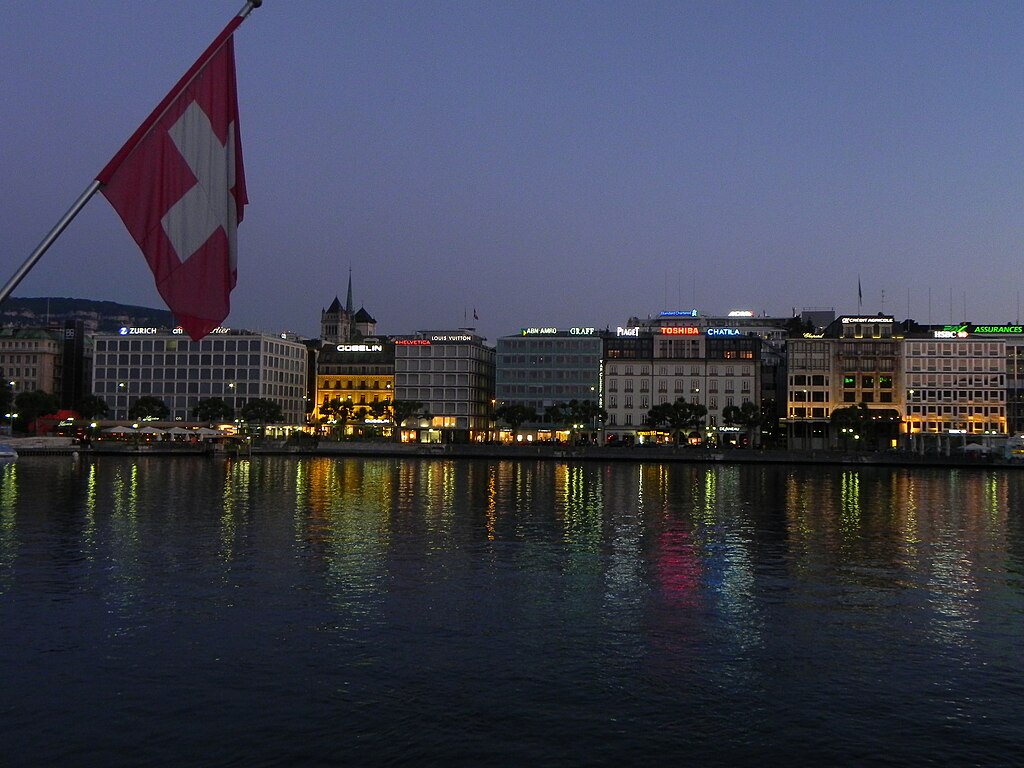
Planned negotiations between the United States and Iran scheduled for Friday at the Burgenstock resort in Switzerland have been postponed, according to a statement from Switzerland’s foreign ministry. The delay comes amid growing uncertainty over the implementation of a preliminary agreement designed to help end the conflict that began following military actions launched by the United States and Israel in late February.
Swiss officials confirmed that while the talks have been delayed, Switzerland remains prepared to facilitate future discussions. The ministry added that all necessary preparatory work at the Burgenstock mountaintop venue is continuing, signaling that both sides may still return to the negotiating table in the near future.
The announcement followed reports that U.S. Vice President JD Vance had withdrawn from a planned trip to Switzerland, where he was expected to meet with Iranian representatives. A White House spokesperson confirmed the change in plans overnight, raising further doubts about the timing of the next round of diplomatic engagement.
The postponed meeting was expected to mark the beginning of a crucial 60-day negotiation period focused on implementing the preliminary U.S.-Iran agreement. The framework aims to reduce tensions and establish a pathway toward ending the ongoing conflict through diplomatic channels.
Adding to the uncertainty, Iran’s semi-official Tasnim News Agency reported that Tehran wanted to see concrete evidence that Washington was taking steps to fulfill its commitments under the interim agreement before proceeding with further talks. The report also noted that there was no official confirmation that Iran’s delegation would travel to Switzerland as originally planned.
The postponement highlights the challenges facing U.S.-Iran relations and underscores the importance of trust-building measures in advancing diplomatic negotiations. Despite the delay, Switzerland’s continued involvement suggests that efforts to revive the talks and move forward with the peace process remain active.