


 Syngenta Files for Hong Kong IPO, Eyes $5 Billion Raise
  Trump Rejects Calls for Tougher AI Regulation
  New Zealand Labour Backs Social Media Ban for Under-16s
  U.S. Issues Cuba Health Alert as Illnesses Rise
  SoftBank Shares Jump 8% as SB Energy IPO Optimism Builds
  MediaTek Unveils 2nm Dimensity 9600 Pro AI Chip
  Nvidia Eyes $10 Billion Investment in Anthropic IPO
  Trump Open to Chinese Automakers Building Cars in US
  Samsung Heavy Wins $1.22 Billion LNG Carrier and Tanker Deal
  Saudi Arabia Raises Security Alerts as Houthi Attacks Threaten Oil Routes
  France Targets Shein, Temu With Fast-Fashion Fees
  Judge Blocks Trump Rule Limiting Foreign Student Visas
  UK PM Andy Burnham Set for First Trump Meeting in New York
  Europe can’t achieve space sovereignty alone. Here’s why
  US Immigration Arrests Surge as Deportations Lag Behind
  Big AI wants to slow down AI research. Is it a safety pause or a strategic retreat?
  Who should own the knowledge that underpins AI technology?


 Add as a preferred source on Google
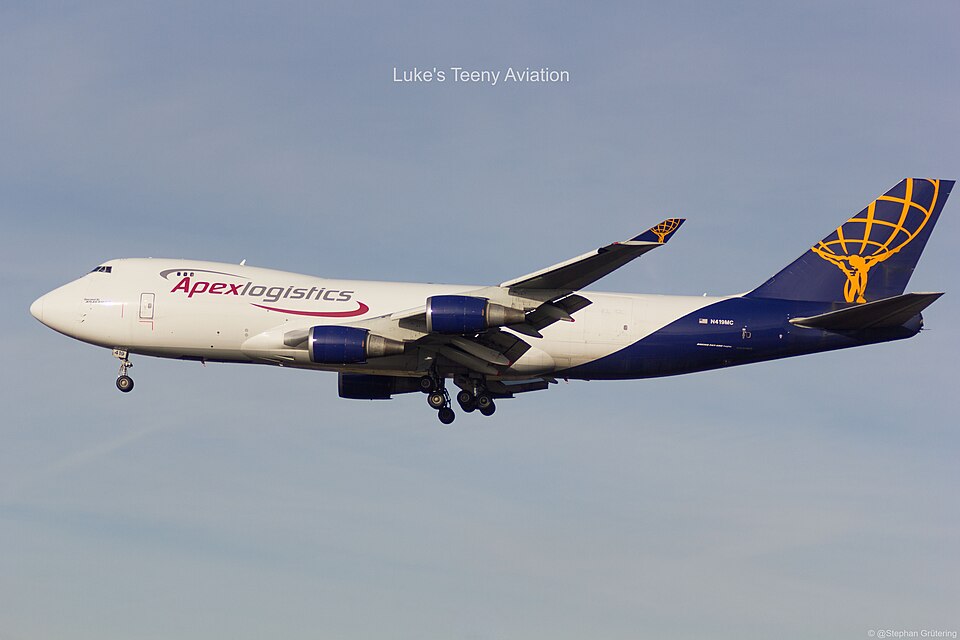
The U.S. government is investigating Singapore-based Apex Logistics over allegations that the freight company helped transport Nvidia AI chips and computer systems to China despite U.S. export restrictions, Bloomberg reported Thursday.
The investigation, led by the U.S. Commerce Department’s Bureau of Industry and Security (BIS), is examining whether Apex handled artificial intelligence systems manufactured by Super Micro Computer that ultimately reached mainland China in violation of American semiconductor export controls.
According to the report, authorities are reviewing 47 shipments handled by Apex during 2024. The suspected supply chain allegedly involved Nvidia-powered servers traveling from Taiwan to the United States before being routed through Southeast Asia and Hong Kong and eventually entering China.
If enforcement action follows, the case could represent the first significant U.S. move against a transportation company accused of participating in the unauthorized trade of advanced AI semiconductors. The investigation also underscores Washington’s growing scrutiny of logistics providers and intermediaries involved in global technology supply chains.
The United States has imposed increasingly strict controls on exports of advanced AI chips to China since 2022, citing national security concerns and the potential military applications of high-performance computing technology.
Apex Logistics acknowledged that U.S. authorities had raised concerns about a limited number of shipments and said it was fully cooperating with the investigation. Its Swiss parent company, Kuehne & Nagel, also confirmed that Apex was cooperating, although the parent company itself had not been contacted by U.S. authorities, according to Bloomberg.
Nvidia, meanwhile, said it works with established partners to ensure its products are sold in accordance with U.S. export regulations. The AI chipmaker added that its due-diligence procedures have helped uncover suspected efforts to evade export restrictions.
The Apex Logistics investigation could broaden the focus of U.S. semiconductor enforcement beyond chipmakers, distributors and customers to freight and logistics companies responsible for moving advanced computing equipment across international borders.







