


 EU Leaders Meet to Tackle China Imports, Energy Costs and Budget Disputes
  US Recalls Nicaragua Envoy After Ambassador Rejection
  US Justice Department Drops Prosecution of Ex-CIA Analyst Sue Mi Terry
  Zelenskiy Says Trump’s Support for Russia Is ‘Painful’
  Zelenskiy Says Ukraine Received No Warning Before Russian Missile Attack
  China Warns Taiwan Over South China Sea Coast Guard Incident
  Italy’s Meloni Warns US-Russia Diesel Deal Could Weaken Ukraine Sanctions
  Gaza Olive Harvest Collapses as War Destroys Farmland
  Trump Denies China, Russia Are Helping Iran in War
  Zelensky Says Ukraine Will Resume Strikes on Russian Oil Facilities
  China Resumes US Soybean Purchases After Trump-Xi Summit
  Trump Confirms US Intelligence Sharing With Ukraine Amid Russian Strikes
  FBI Denies Report of Kash Patel’s Russia Visit
  Flavio Bolsonaro Backs Brazil’s 40-Hour Workweek Reform Ahead of Runoff
  Flavio Bolsonaro Leads Lula in Brazil Presidential Runoff Poll
  US Supreme Court Denies Release of Anti-ICE Activist Kyle Wagner
  Container Ship Sinks in Strait of Hormuz as Iran Attacks Escalate


 Add as a preferred source on Google
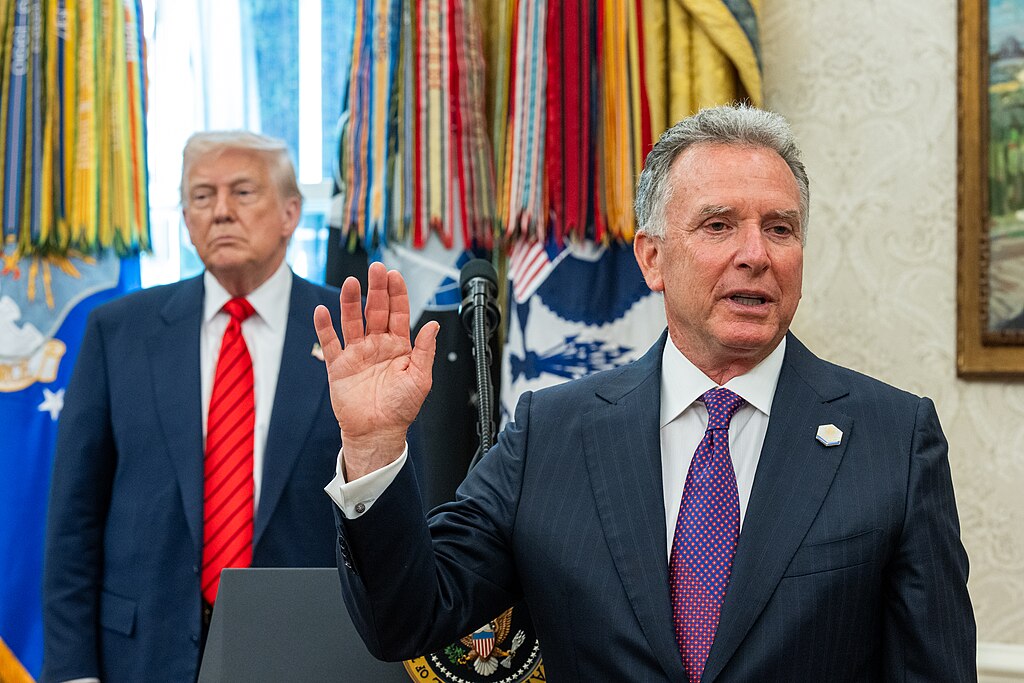
The United States has reportedly proposed a plan to release some frozen Russian sovereign assets and place them under Washington's supervision as part of efforts to restart peace negotiations between Russia and Ukraine, according to a Financial Times report published Wednesday.
The proposal, presented to European officials by US special envoy Steve Witkoff and Jared Kushner, President Donald Trump's son-in-law, sought to establish a US-controlled financial vehicle that would receive a portion of Russia's assets currently immobilized in Europe.
However, European representatives rejected the initiative, highlighting disagreements between Washington and its European allies over how to handle Russian funds frozen following Moscow's invasion of Ukraine.
The Financial Times cited individuals familiar with the discussions, although Reuters said it could not independently confirm the details of the reported proposal.
Russian sovereign assets have remained a significant issue in international discussions surrounding the Ukraine conflict. Western governments imposed sweeping financial sanctions against Moscow following the invasion, including restrictions that prevented Russia from accessing substantial portions of its overseas reserves.
The reported US proposal would represent a potential change in how some of those frozen assets are managed. Rather than maintaining their current restrictions, the plan would involve transferring selected funds into a financial structure overseen by Washington.
The initiative appears aimed at creating additional diplomatic opportunities to revive stalled Russia-Ukraine peace talks. However, the rejection by European delegates suggests that reaching an agreement over the treatment of Russian sovereign funds remains challenging.
European governments have previously debated how frozen Russian assets could be used in connection with Ukraine, including whether proceeds generated by those holdings should support the country's financial and reconstruction needs.
Any decision to release or transfer the assets could raise legal, political and financial questions, particularly concerning ownership rights, sanctions enforcement and coordination among Western allies.
The involvement of Witkoff and Kushner underscores the Trump administration's continued efforts to explore diplomatic approaches to ending the conflict.
For now, the reported European opposition leaves the future of the US proposal uncertain. The disagreement also illustrates the difficulties facing international efforts to establish a framework for renewed peace negotiations while addressing the financial consequences of Russia's invasion of Ukraine.







