


 Hungary Industrial Output Beats Forecasts With 4.7% July Growth
  Brazil Warns EU of Retaliation Over Animal Products Ban
  OPEC+ Expected to Hold October Oil Output Steady
  US Stock Futures Mixed as Strong Jobs Data Boosts Fed Rate Hike Bets
  Lavrov Accuses Germany of ‘Declaring War’ on Russia
  Israel Strikes Southern Lebanon After Hezbollah Drone Attack
  AfD Eyes Historic Win in Saxony-Anhalt Election
  US Sailor’s Father Detained by Immigration Authorities
  Trump Peace Envoys Meet Zelenskiy in Kyiv After Putin Talks
  Oil Prices Rise as Hormuz Tensions Threaten Supply
  SEC Proposes ‘Regulation Crypto Assets’ Framework for Crypto Fundraising
  ECB Set for September Rate Hike as Energy Prices Fuel Inflation
  Trump Administration Pauses Visa Appointments Worldwide
  New Zealand Labour Backs Social Media Ban for Under-16s
  Iran Vows Tougher Response as U.S. Sanctions Squeeze Economy
  Sara Duterte Posts Bail Over Grave Threats Case
  Trump Orders Major Overhaul of US Navy Shipbuilding


 Add as a preferred source on Google
The United States government has announced a new wave of sanctions targeting 35 individuals and entities accused of supporting Iran’s shadow banking system. According to officials, these networks have been instrumental in moving tens of billions of dollars globally, helping Iran bypass international restrictions and fund activities linked to terrorism.
The sanctions are part of a broader effort by U.S. authorities to disrupt Iran’s financial infrastructure, particularly systems designed to evade existing economic penalties. Officials claim that these entities played a crucial role in facilitating illicit financial flows, enabling Iran to maintain access to international markets despite strict sanctions.
Washington has long accused Iran of using complex financial channels, often referred to as “shadow banking,” to conceal transactions and avoid detection. These systems typically involve front companies, foreign intermediaries, and layered transactions that obscure the origin and destination of funds. By targeting these networks, the U.S. aims to cut off critical revenue streams that allegedly support Iran’s regional activities and affiliated groups.
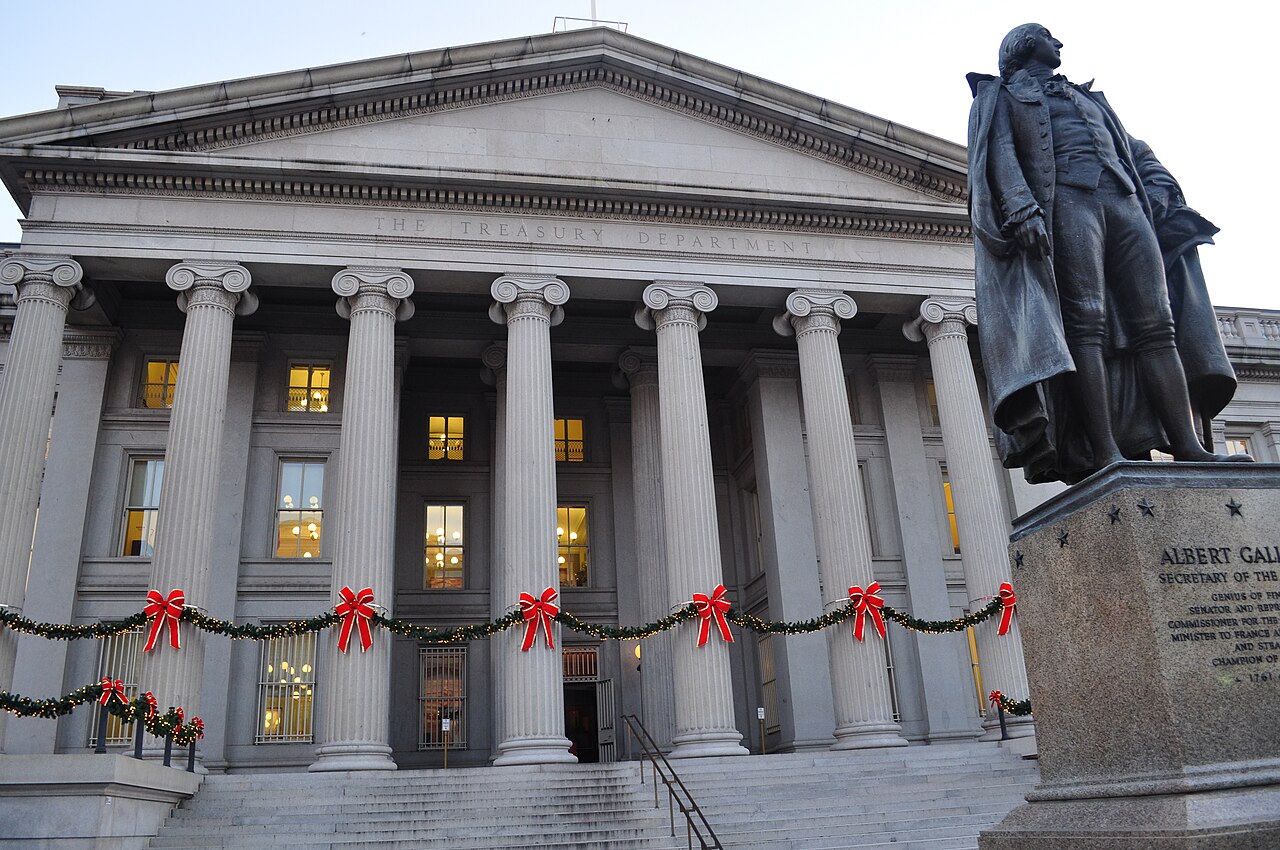
Treasury officials emphasized that the latest sanctions are intended to send a strong message to financial institutions and global partners. Any involvement in sanctions evasion or support for designated entities could result in severe penalties, including restricted access to the U.S. financial system. The move also underscores ongoing concerns about Iran’s role in financing terrorism and destabilizing activities in the Middle East.
Experts suggest that these sanctions could increase pressure on Iran’s already strained economy, making it more difficult for the country to conduct international trade. However, Iran has historically demonstrated resilience by adapting its financial strategies and leveraging alternative networks.
As geopolitical tensions remain high, the U.S. continues to prioritize enforcement actions aimed at limiting Iran’s financial capabilities. This latest development highlights the ongoing battle against sanctions evasion and the global effort to combat illicit financial networks tied to terrorism financing.







