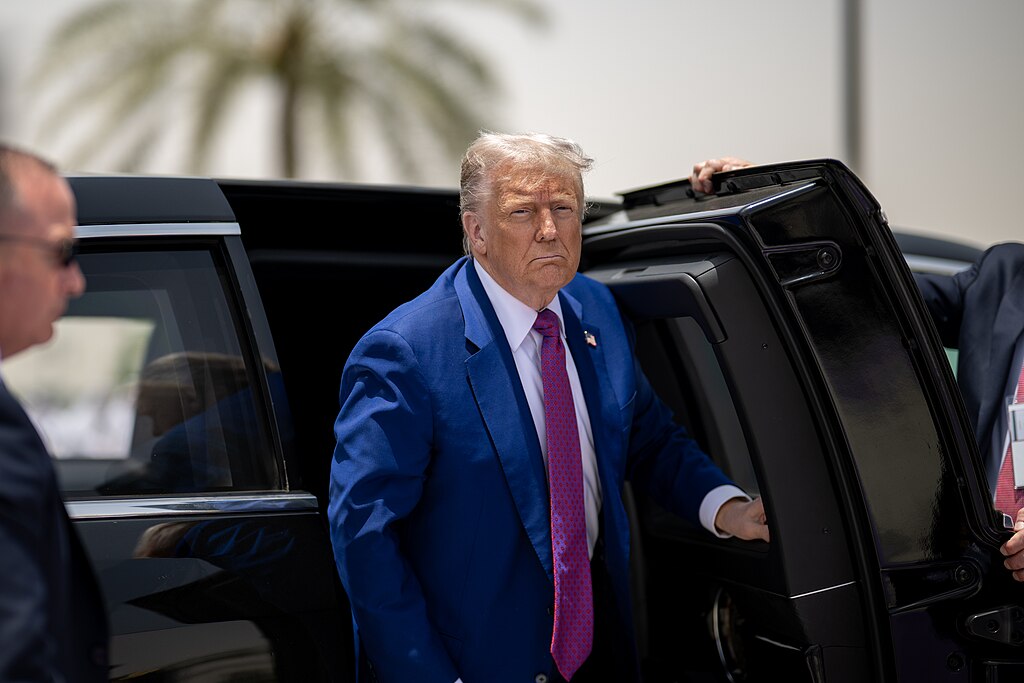
The U.S. Supreme Court has struck down a significant portion of President Donald Trump’s trade tariffs, ruling that the sweeping measures imposed under emergency powers were unlawful. While the decision marks a major legal setback for Trump’s tariff policy, it has also injected fresh uncertainty into global trade, leaving businesses, exporters, and trade groups questioning what comes next.
Industries ranging from European winemakers to chemical manufacturers and distillers initially welcomed the ruling. However, many fear the outcome could complicate international trade relations even further. Italian wine producers, for example, rely heavily on the U.S. market, which accounted for €1.9 billion ($2.3 billion) in exports in 2024—nearly a quarter of Italy’s total global wine shipments. Industry leaders warn that the ruling may delay orders as companies wait for clearer trade regulations.
Despite the court’s decision, Trump quickly announced new global tariffs of 10% for an initial 150-day period, raising concerns that alternative legal avenues could be used to reintroduce similar trade barriers. Businesses are also uncertain whether previously collected tariffs will be refunded, adding to financial and operational risks.
Major European trade associations, including Germany’s VCI representing companies such as BASF and Bayer, emphasized that this ruling does not signal stability. Analysts note that political risk remains high, particularly for global supply chains already reshaped by years of tariff disputes. Freight and logistics experts point out that companies have permanently diversified sourcing strategies to reduce exposure to U.S. trade policy shifts.
French cosmetics exporters, Italian agricultural groups, and Irish whiskey producers echoed similar caution, highlighting that ongoing negotiations—not court rulings—will ultimately determine tariff outcomes. While the Supreme Court decision reshapes the legal framework behind Trump-era tariffs, global trade tensions and economic uncertainty remain far from resolved.