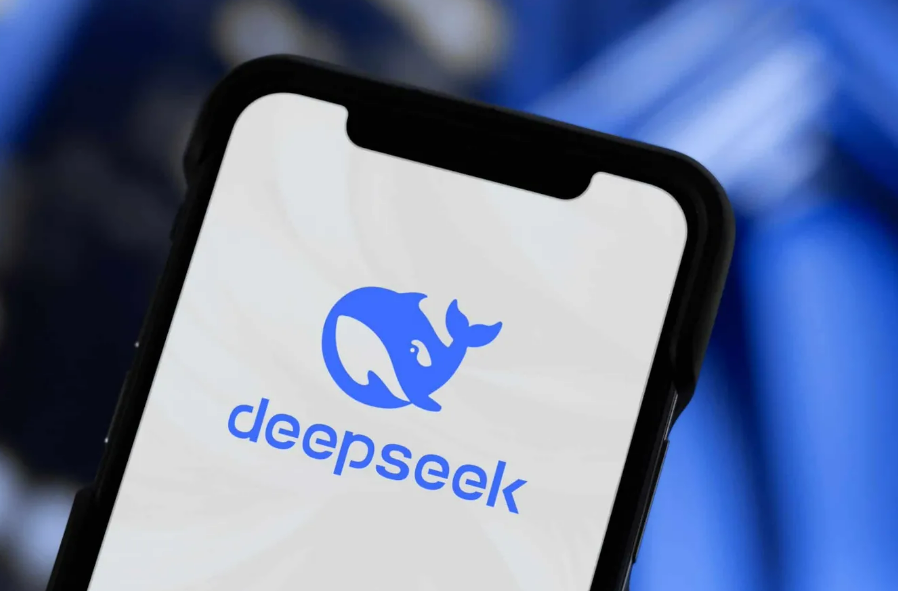
The U.S. State Department has launched a global diplomatic effort to highlight concerns over alleged intellectual property theft by Chinese artificial intelligence companies, including startup DeepSeek. According to a diplomatic cable obtained by Reuters, U.S. officials have instructed embassies and consulates worldwide to raise awareness among foreign governments about what they describe as systematic attempts to replicate American AI technology.
The cable emphasizes growing concerns over “adversaries’ extraction and distillation of U.S. AI models,” referring to a process where smaller, cost-efficient models are trained using outputs from more advanced systems. U.S. officials argue that such practices could allow foreign firms to develop competitive AI tools at significantly lower costs without fully replicating the original models’ capabilities or safeguards.
This move follows similar accusations made by the White House earlier this week. OpenAI has also previously warned lawmakers that DeepSeek may be attempting to replicate its technology, raising alarms about the security of proprietary AI systems and data. The State Department has reportedly sent a separate diplomatic message directly to Beijing to address these concerns.
China has strongly denied the allegations. The Chinese Embassy in Washington stated that claims of intellectual property theft are “groundless” and politically motivated, aimed at undermining China’s rapid progress in the artificial intelligence sector. DeepSeek has maintained that its models are trained using publicly available data collected through web crawling, rejecting claims of using proprietary or synthetic data from U.S. companies.
Despite concerns, DeepSeek continues to gain global traction. Its recently announced V4 model, optimized for Huawei chips, highlights China’s push for technological independence. However, several Western governments have restricted the use of DeepSeek’s AI tools over data privacy and security concerns.
The diplomatic cable also mentions other Chinese AI firms such as Moonshot AI and MiniMax. U.S. officials warn that AI models developed through unauthorized distillation may lack critical safety mechanisms and ethical safeguards, potentially increasing global risks.
These developments come just weeks before a planned meeting between U.S. President Donald Trump and Chinese President Xi Jinping, signaling potential strain in ongoing U.S.-China tech relations.