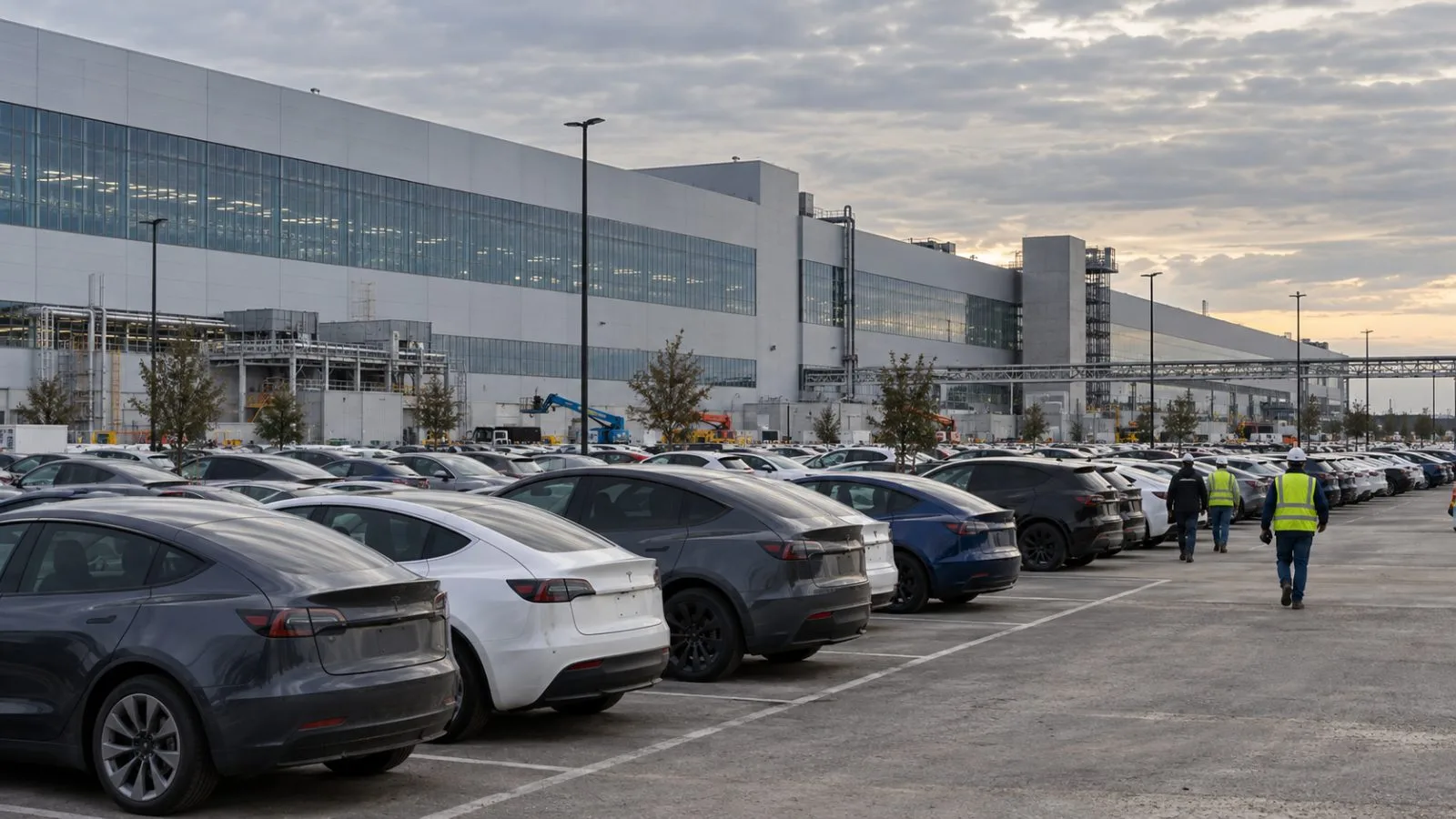
US battery electric vehicles accounted for 6% of new light-duty vehicle sales in the third quarter of 2026, below their year-earlier share after federal tax credits expired, the US Energy Information Administration said.
The share fell from 10% a year earlier, the agency said, citing Omdia estimates. Its Oct. 19 Today in Energy article, “Hybrid sales rise while battery electric sales remain lower after tax credit expiration,” compared sales across electric and hybrid vehicle types.
Hybrid electric vehicles continued to gain market share between the third quarters of 2025 and 2026, reaching 16% of light-duty vehicle sales, the agency said. Plug-in hybrid vehicles moved in the opposite direction, with their share falling from 1.8% to 0.7% over the same period, it said.
Together, hybrid electric, battery electric and plug-in hybrid electric vehicles accounted for 23% of new US light-duty vehicle sales in the third quarter, the agency said. That compared with 24% a year earlier, it said.
The agency said hybrid sales growth slowed during the quarter. The average transaction price for a new vehicle passed $50,000 for the first time this year, Kelley Blue Book said, according to the agency.
The New Clean Vehicle Credit and Qualified Commercial Clean Vehicle Credit, which covered purchases or leases of new electric vehicles, expired on Sept. 30, 2025, the agency said. Hybrid vehicles were not eligible for any of the federal tax credits that expired that month, it said.
Battery electric vehicles reached a record 12% of light-duty vehicle sales in September 2025, immediately before the credits expired, the agency said. But 2025 became the first year in which both their annual sales and market share declined, it said.
That decline continued in 2026, the agency said. Battery electric vehicles accounted for 6% of new vehicle sales in the first nine months, down from 8% in the same period of 2025, it said.
The retreat also extended to luxury vehicles, a segment where battery electric models have historically been more popular, the agency said. Their share of luxury light-duty vehicle sales fell to 12% from 31% a year earlier, it said.
The energy implications differ by vehicle type, the agency said. Battery electric and plug-in hybrid vehicles draw electricity from the grid, affecting electricity demand, while hybrids use liquid fuels without connecting to the grid, it said.
Sales in any single year are small relative to the vehicles already on the road, limiting their effect on fleet composition, the agency said. Electric vehicles represented 2% of registered US light-duty vehicles in 2024, the latest fleet-wide data available in its Monthly Energy Review, it said.