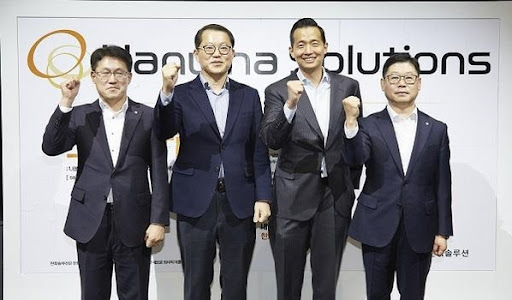
Hanwha Solutions Corp is spending 338 billion won to boost its annual production of caustic soda in its Yeosu factory by 270,000 tons to 1.11 million tons by 2025,
Also known as sodium hydroxide, caustic soda is a chemical widely used to clean or bleach industrial materials for making rechargeable batteries.
In the case of electric vehicle batteries, caustic soda cleans the impurities in making cathode materials.
The chemical and energy unit of South Korea’s Hanwha Group decided on the investment as it expects the demand for such basic materials to increase rapidly due to the surging demand for electric vehicles.
The demand for caustic soda in South Korea is seen growing over 5 percent to 1.6 million tons by 2025 on an annual basis.
Australia Jobs Surge in June Strengthens Case for More RBA Rate Hikes
Rubio Rejects AI ‘Kill Switch’ Claims as U.S. Defends American Technology Abroad
Brent Oil Holds Above $100 as Red Sea Attacks, Iran Conflict Threaten Global Supply
Alaska Air Q3 Outlook Misses Estimates as Higher Fuel Costs Weigh on Profit Forecast
Macquarie Names Greg Ward as CEO, Signaling Stability and Strategic Continuity
Volkswagen Cuts 2026 Revenue Outlook as China Weakness, Trade Risks Weigh
Wistron Opens $700M Texas AI Factory to Build Nvidia Superchips in U.S.
Alphabet Q2 Earnings Beat Estimates as AI Spending, Google Cloud Growth Fuel Outlook
Japan CPI Rises in June, but Core Inflation Stays Below BOJ’s 2% Target
Uber Stock Falls as Waymo Plans to End Robotaxi Partnership by 2028
Trump Administration Imposes New Forced Labor Tariffs on 60 Trading Partners
US Dollar Pauses Rally as Middle East Tensions Support Safe-Haven Demand
Oracle Stock Rises After Winning Up to $6.99 Billion U.S. Defense Software Contract
European Stocks Flat as Oil Tops $100, Trump Tariffs Fuel Inflation Fears
Japan’s Nikkei Slides Over 2% as Alphabet Selloff Sparks AI Spending Concerns
Gold Price Holds Weekly Gain as Middle East Tensions and Fed Rate Outlook Drive Market
OpenAI Australia Data Center Switches Cooling Strategy After Recycled Water Plan Fails 


