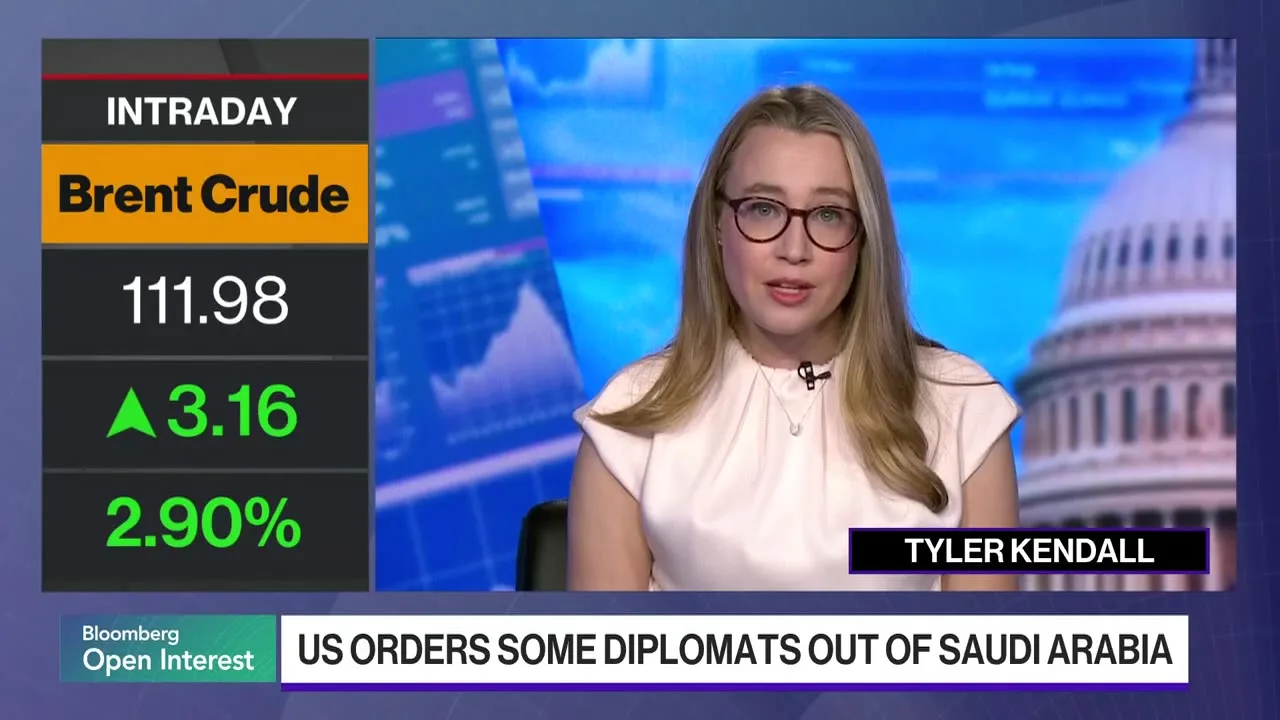
The United States moved diplomats out of Saudi Arabia after attacks on an oil field and an airport killed three people, Bloomberg Television reported in an Oct. 22 broadcast.
Saudi Arabia sought US military help, particularly air support, but the White House limited its involvement to intelligence sharing for now. President Donald Trump had left open the possibility of escalation after the November midterm elections.
The Bloomberg Television segment, titled “Houthis Step Up Attacks on Saudi, Sending Oil Higher,” described evacuations and security precautions as threats from the Iranian-backed Houthi group increased. Oil rose to its highest level since around May.
The United States also advised some military personnel at bases across the Middle East to evacuate, including in Kuwait, Jordan and Qatar, NBC News reported. The advice extended beyond the diplomatic departures from Saudi Arabia.
Saudi Aramco evacuated its headquarters and told employees to work from home for now after an attack on the site, people familiar with the matter told Bloomberg. No timetable for their return was given.
The kingdom's request for American air support addressed a vulnerability in its defenses. Washington had not agreed to provide that support, leaving the extent of any further US involvement unresolved.
Iran's foreign minister described the situation as a “dangerous juncture” in a Financial Times opinion article. He said further escalation around the Strait of Hormuz or elsewhere would endanger civilians, regional states and the global economy.
The Strait of Hormuz is a shipping passage for the region's fuel exports. The White House was weighing the consequences of potential disruptions there while considering its response to the attacks.
The United States and Israel were preparing plans for a brief, intensive military campaign after the elections, the New York Times reported. Potential targets included energy infrastructure and nuclear facilities.
Trump had previously identified Pickaxe Mountain, a heavily fortified area near an Iranian nuclear enrichment site, as a possible target. He had also mentioned Iran's drone and missile depots.
US Defense Secretary Pete Hegseth met Israeli Prime Minister Benjamin Netanyahu earlier that week to discuss possible military action. The account gave no date for an operation or commitment to carry one out.
Attacks on vessels by Iran's Islamic Revolutionary Guard Corps in recent weeks had not stopped crude shipments. Shipping data provider Kpler put crude flows at 24.6 million barrels the previous week, a high in the account.
The broadcast did not specify the geographical coverage or measurement period for that volume. It also gave no timetable for the evacuations or decision on Saudi Arabia's request for air support.