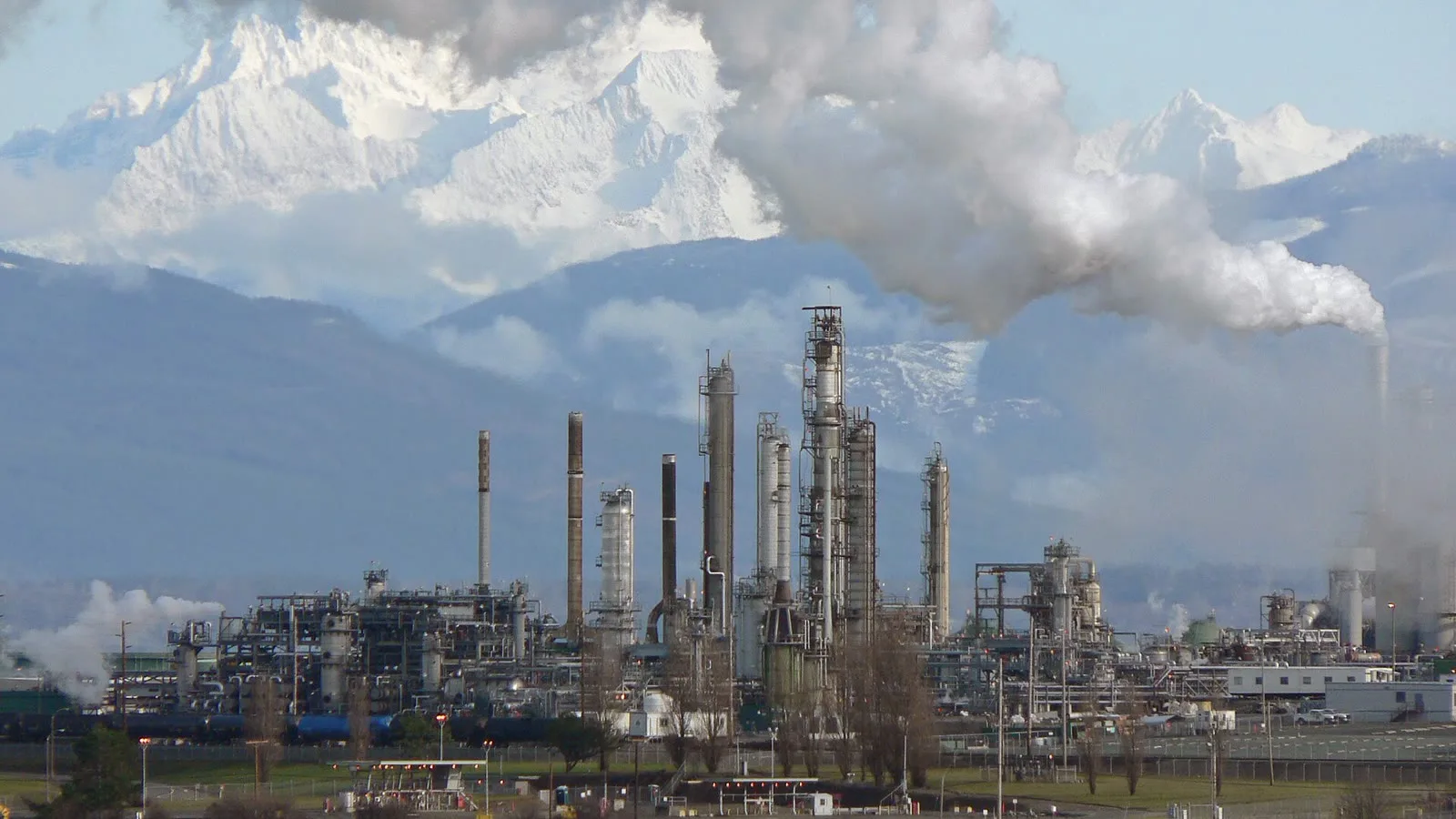
US refineries operated at more than 95% of capacity from May through September this year, the highest for those months since 1998, the US Energy Information Administration said on Oct. 22.
Output reached its highest level since 2019, a shorter comparison because refining capacity has fallen 4% since then, the agency said. It published the analysis in its Today in Energy series under the title “U.S. refineries have been running at very high rates in 2026”.
The agency linked the high operating rates largely to tight global supplies of distillate fuel oil, a category that includes diesel. Those shortages increased international demand for US distillate exports and helped encourage refineries to process more crude.
Tight supplies of petroleum products increased refining margins, particularly for diesel, the analysis said. Higher margins gave refiners an incentive to raise operating rates, connecting the unusually high use of US plants to conditions in global fuel markets.
The analysis drew on the agency's Weekly Petroleum Status Report and compared this year's refinery operations with historical seasonal patterns. Its comparisons covered summer operating rates since 1991 and the five-year seasonal average for 2021 through 2025.
Refineries have operated at an average of 92% of capacity between May and September since 1991, compared with 88% during the other seven months, the agency said. This year's summer average exceeded that historical summer rate by more than 3 percentage points.
US refineries typically operate at their highest rates from May through September to supply gasoline during the summer peak in demand, the analysis said. Demand for distillates follows a different seasonal pattern, reaching its peak in fall and winter.
Because refineries make both gasoline and distillates, higher summer operations usually help build distillate inventories before seasonal maintenance and the peak demand period, the agency said. It identified tight global distillate supplies as the main driver of this year's high rates.
The agency distinguished the share of capacity in use from the amount of fuel produced. Although plants operated at their highest seasonal rates since 1998, the smaller refining fleet limited the comparison for total output to 2019.
Operating rates fell from their summer highs during the first three weeks of October but stayed above the seasonal average for 2021 through 2025, the agency said. It gave no numerical October rate or size of the decline, leaving that comparison unquantified.