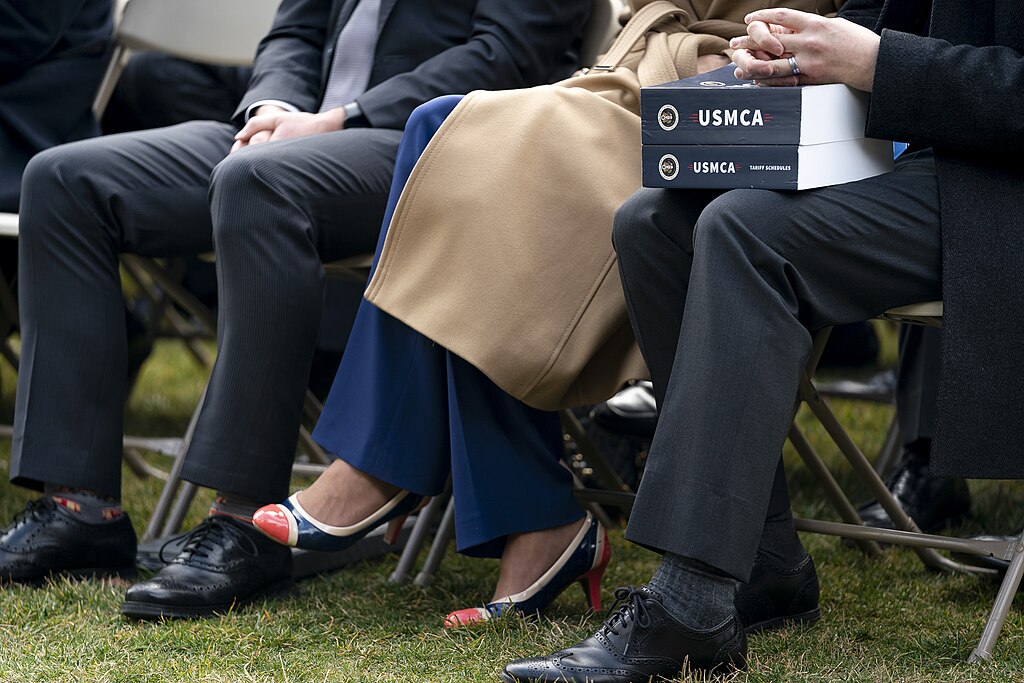
Canada and Mexico are standing firm on the trilateral trade framework that has long defined North American economic relations. At a recent conference in Mexico City, Canadian Ambassador to Mexico Cameron MacKay and Mexican Deputy Trade Secretary Luis Rosendo Gutierrez both confirmed that preserving the U.S.-Mexico-Canada Agreement (USMCA) remains a top diplomatic and economic priority for their respective governments — even as Washington hints at a preference for bilateral arrangements.
The reaffirmation comes on the heels of a significant policy move by the Trump administration, which launched two new trade investigations targeting alleged forced labor practices and industrial overcapacity across 16 major trading partners. Legal experts view the move as Washington's attempt to rebuild tariff leverage following a Supreme Court decision that invalidated key components of its existing trade enforcement strategy.
Mexico appears on the list of countries potentially subject to scrutiny under Section 301 of the Trade Act of 1974, a statute that empowers the U.S. to take action against foreign trade practices it considers unfair. However, Mexican Economy Minister Marcelo Ebrard moved quickly to temper concerns, noting that the vast majority of Mexico's trade with the United States is conducted under USMCA protections and therefore falls outside the scope of Section 301.
Notably, Canada — the second-largest trading partner of the United States — was not included among the countries flagged for investigation, a distinction that analysts say could reflect diplomatic considerations as trilateral tensions simmer.
With USMCA up for its scheduled review in 2026, the pressure on all three nations to define their trade priorities is intensifying. Both Canada and Mexico appear determined to preserve the multilateral structure that has underpinned billions in cross-border commerce, even as U.S. trade policy continues to evolve unpredictably.