A U.S. carrier commander said on Sept. 11 that attempts to strike ships near the Strait of Hormuz had failed, a claim made before two Singapore-registered vessels were reportedly hit in October.
In remarks recorded by Reuters, USS George Washington commander Capt. Nicholas DeLeo credited sailors aboard the carrier for the outcome. “Those have all been unsuccessful,” he said of the attacks he was discussing. His account was limited to that point in time and did not cover the later incidents involving commercial ships.
DeLeo said the crew trained for missile and drone threats and used offensive and defensive measures to protect Navy vessels. The carrier was operating in the U.S. Fifth Fleet area when he made the remarks.
U.S. Central Command (CENTCOM) said Sept. 8 that a Navy warship had evaded two Iranian ballistic missile attacks over the previous two days. It reported no injuries among U.S. personnel. The command also said the Islamic Revolutionary Guard Corps (IRGC) had attempted to strike an aircraft carrier and a destroyer on Sept. 5.
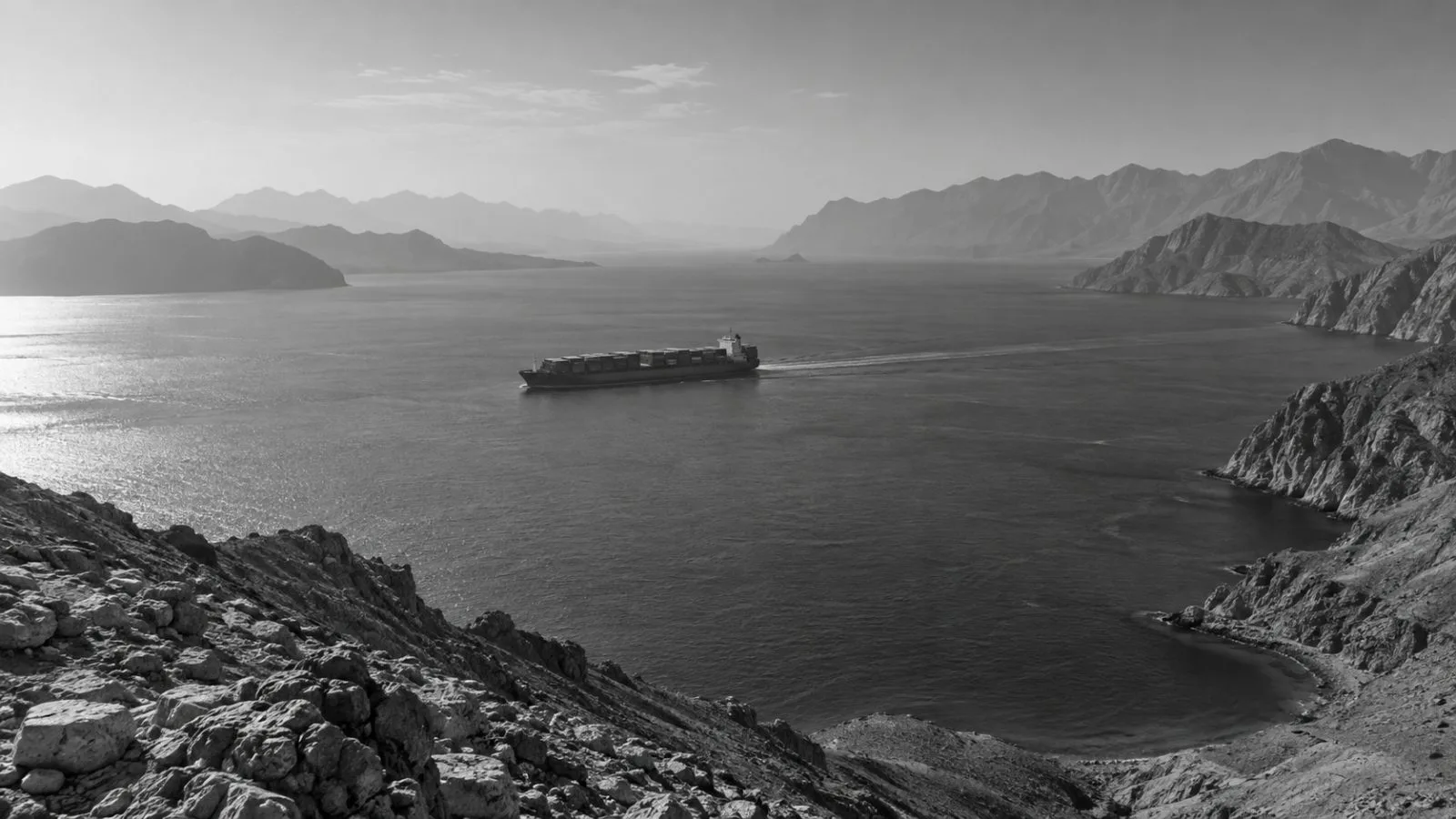
The Maritime and Port Authority of Singapore (MPA) said Oct. 14 that two Singapore-registered container ships were reportedly struck by unknown projectiles while passing through Hormuz. GFS PRIDE crossed on Oct. 13 and GFS GISELLE on Oct. 14, Singapore time. The MPA did not identify who launched the projectiles.
MPA said GFS PRIDE sustained damage, caught fire and later sank. All 21 crew members were evacuated without reported injuries. GFS GISELLE reached a safe anchorage with hull damage, and its 22 crew members were safe.
U.S. Energy Information Administration figures indicate that about 21 million barrels of crude oil and petroleum products moved through the strait each day on average in 2025. In the first half of that year, the route accounted for roughly one-fifth of global petroleum liquids consumption. Pipelines bypassing Hormuz can carry only part of the oil usually shipped through it, the agency said.