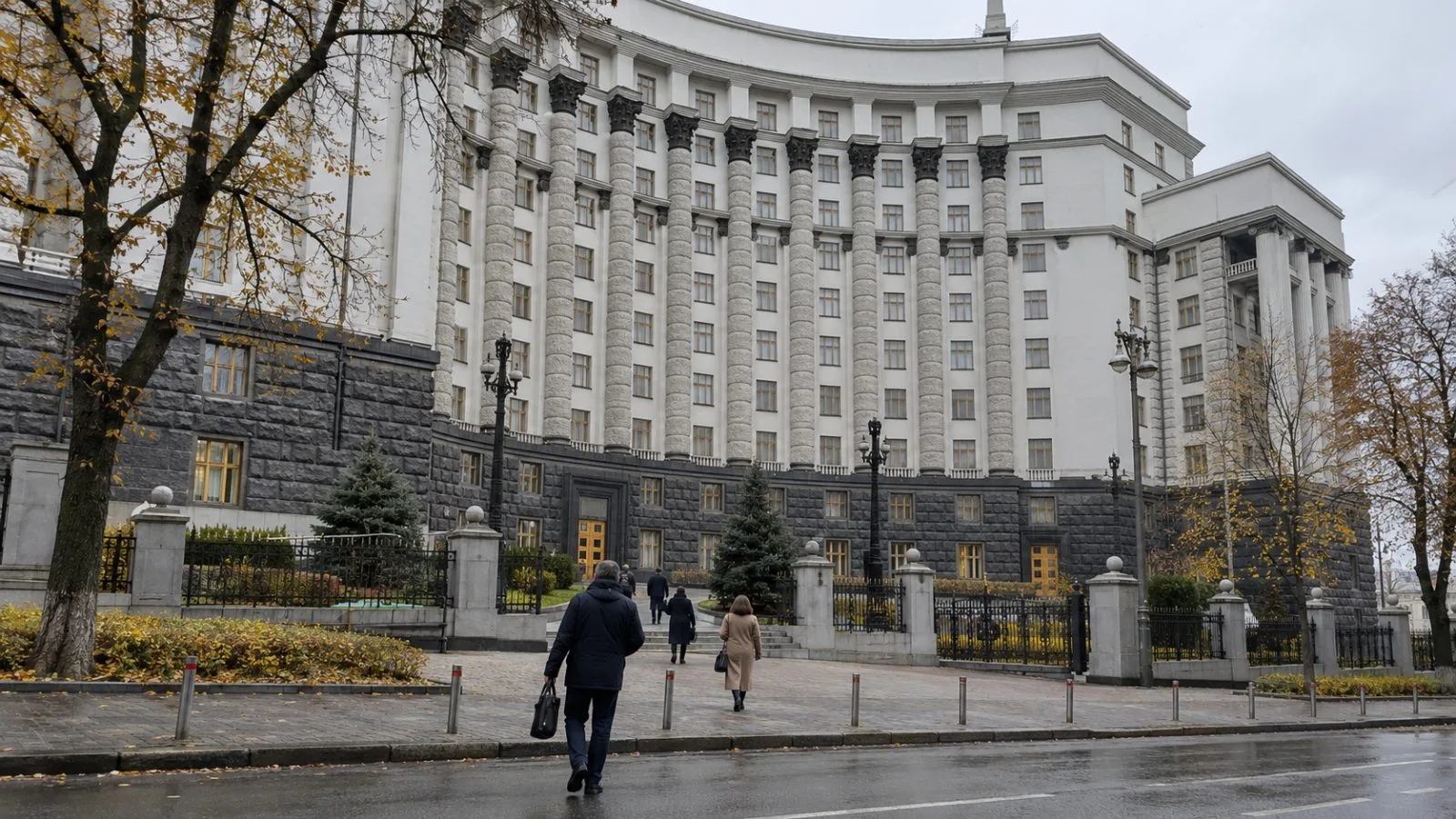
Ukraine’s Cabinet of Ministers approved common forensic rules for regional teams identifying repatriated bodies and remains, aiming to improve coordination and help families receive reliable identification information sooner.
The Cabinet announced the approval Nov. 6. The procedure sets shared steps for examinations, biological sampling and documentation. A common coding scheme is intended to keep records accurate and retain information that can help establish identities.
The Health Ministry said the procedure fills a gap in rules governing team membership, responsibilities and coordination in repatriation cases. The participating bodies include forensic medical institutions, prosecutors, the National Police, the Interior Ministry’s Expert Service, Armed Forces civil-military cooperation units, the State Emergency Service of Ukraine (SESU) and other authorized agencies.
The protocol covers injury records, dental and skeletal examinations, and genetic sampling. For fragmented remains, teams must log the pieces, sort fragments that appear anatomically compatible and estimate the smallest number of individuals they could represent. Packages must be checked for explosives before opening, and workers must use personal protective equipment.
The system faces a staffing shortfall. As of Sept. 18, the government said 21 regional forensic bureaus were conducting identification examinations, with about 1,000 experts in post against an estimated need of 1,500. It said no more than a month passed between an investigator issuing an order and the forensic report being received.
Head of the Office of the President Kyrylo Budanov said Oct. 2 that Ukraine had received more than 26,000 bodies and remains through repatriation. He said a “significant part” remained unidentified but gave no number. Prime Minister Sergii Koretskyi said the procedure is intended to help families get “reliable information about the fate of their loved ones more quickly.”
The Cabinet’s draft 2027 state budget proposes more than UAH 600 million for forensic medical expertise, including equipment for regional bureaus. The allocation is part of a draft budget.