Ukraine’s Air Alert service and a Russian regional emergency directorate reported disruptions to their apps on consecutive days, as false messages reached users and neither statement named a specific actor or linked the events.
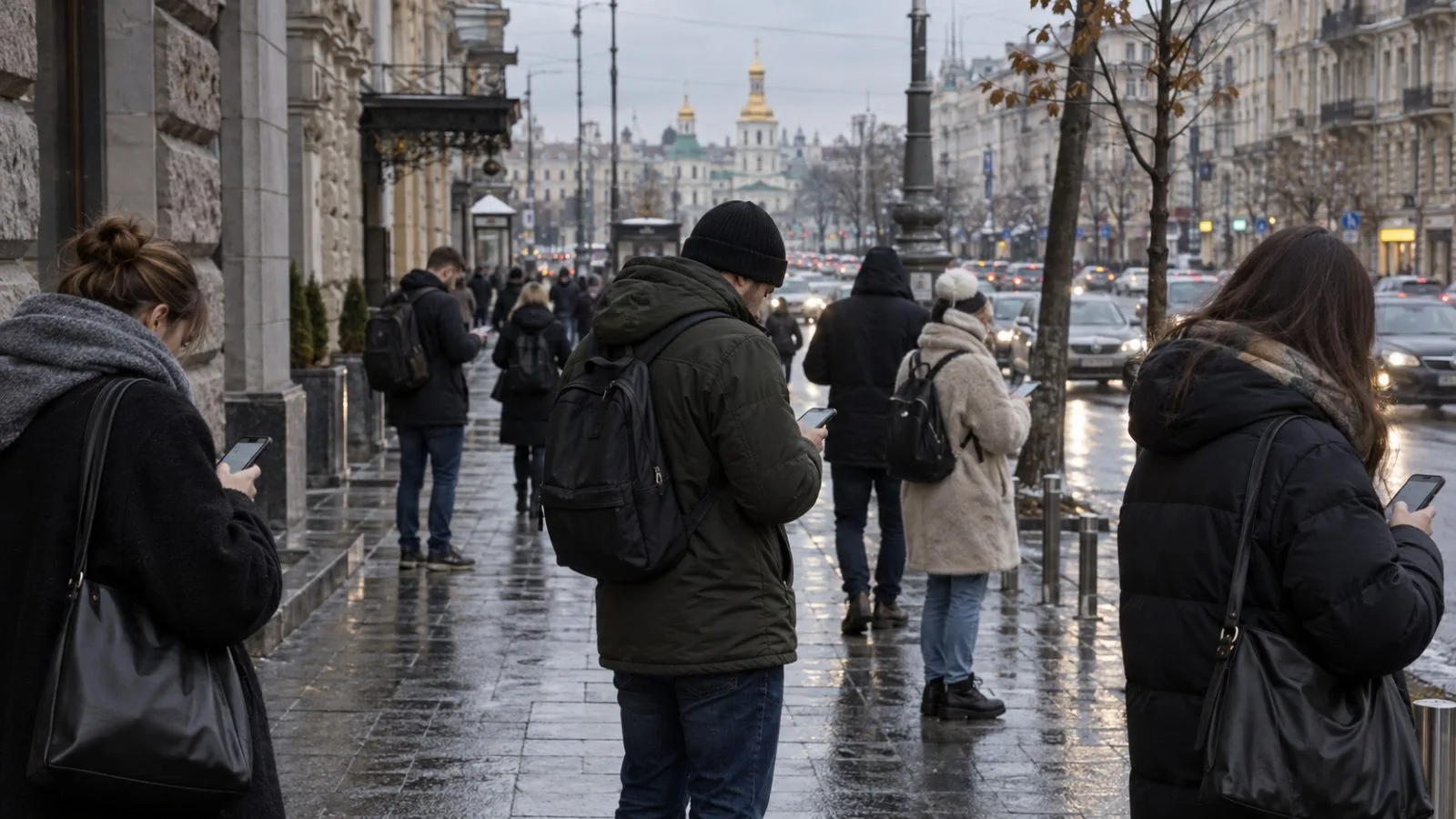
The Air Alert app displayed false warnings about radiation, chemical threats and street fighting Nov. 1. The Kyiv Independent also reported a false notification about Russia’s Oreshnik missile. In a translated Telegram statement, Ukraine’s Air Force said, “There is no radiation threat!” and described the suspected interference as likely enemy action.
The Air Alert team said third parties had interfered with the service, prompting it to disable push notifications and suspend the app temporarily. It later said restoration was underway: push alerts were returning, while map displays of targets remained paused. The team said the app does not store personal data and warned users not to follow suspicious links.
On Nov. 2, the Main Directorate of the Ministry of Emergency Situations (MChS) of Russia for Kemerovo Region — Kuzbass said attackers had used the ministry’s mobile app to spread false information. In a translated notice, it called the incident a “massive cyberattack” and said restoration work was underway. The notice did not describe the messages or identify the attackers.
Al Jazeera reported that Ukraine’s Center for Strategic Communications blamed Russia for the Air Alert incident. The Air Force statement did not name a specific actor, and neither side’s statements connected the app disruptions.
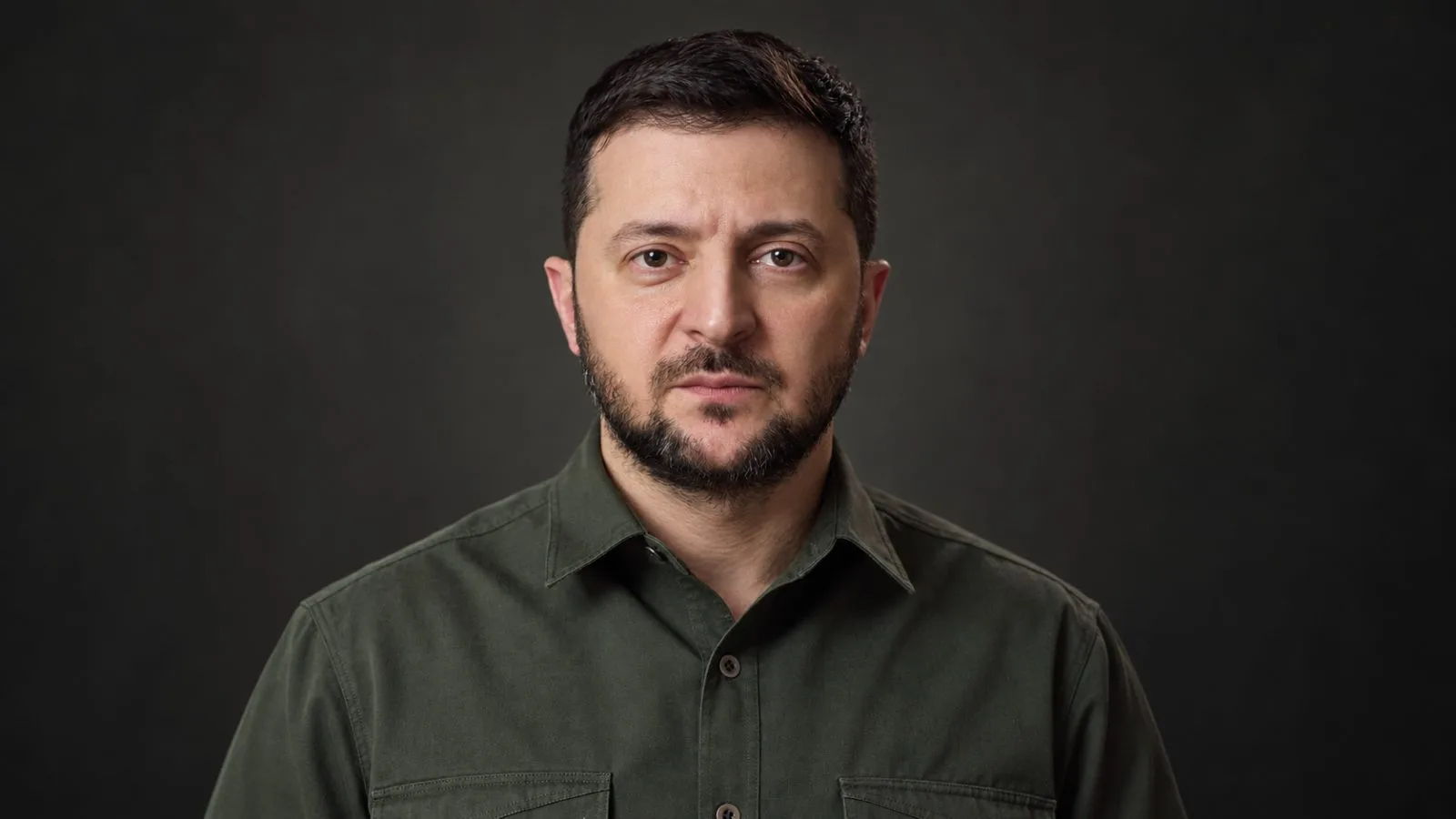
Ukraine’s diplomatic calendar includes proposed trilateral talks with Russia and the United States in Abu Dhabi. President Volodymyr Zelenskyy said Oct. 28 that preparations were underway and Ukraine hoped the meeting would take place by Nov. 10. The Associated Press reported that no date had been set as of Oct. 28, while Washington awaited developments in the Middle East.