Member states should approve higher mandatory payments next year toward a target covering 50% of the agency’s base budget, World Health Organization Director-General Dr. Tedros said in remarks published Oct. 27.
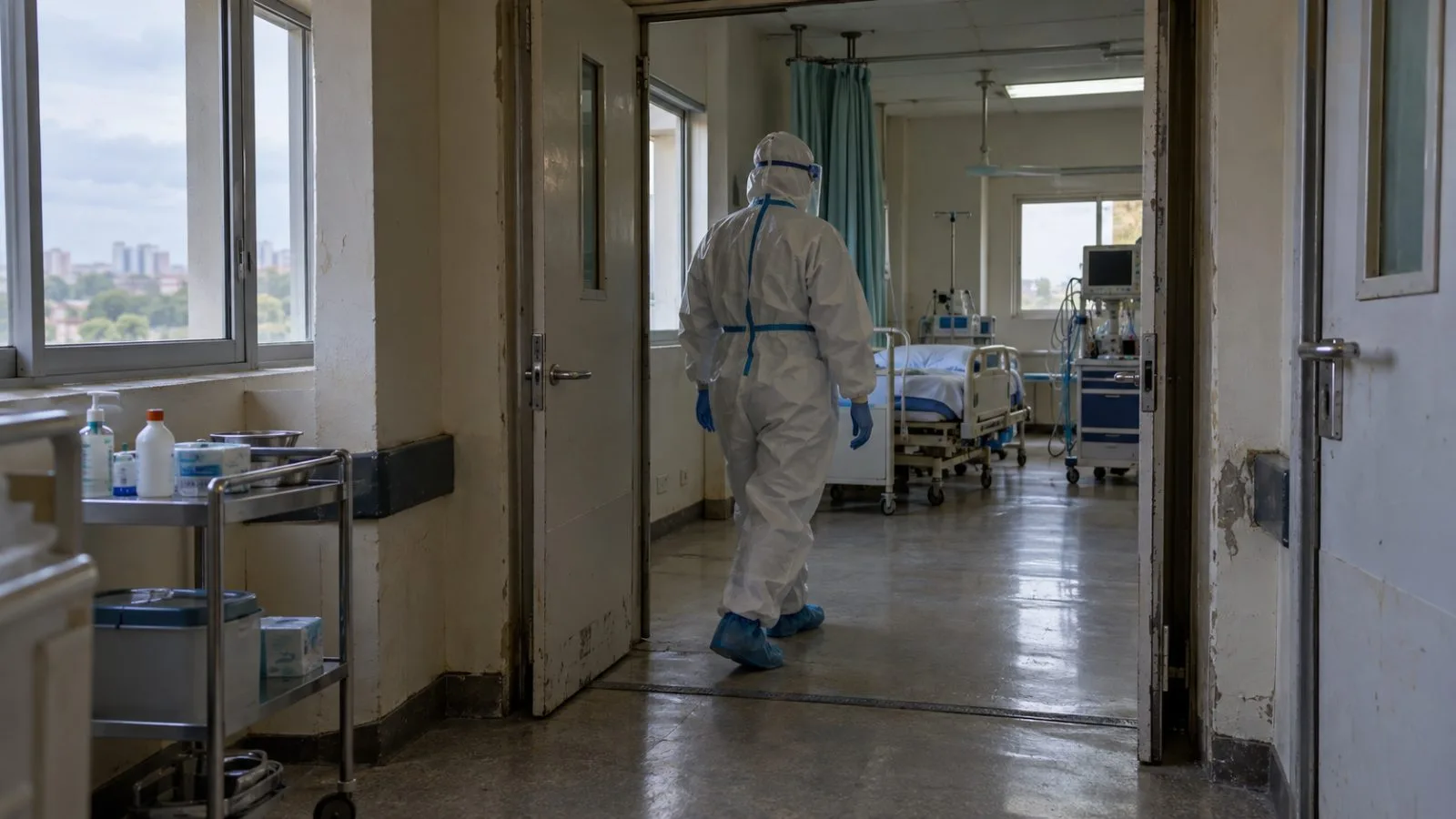
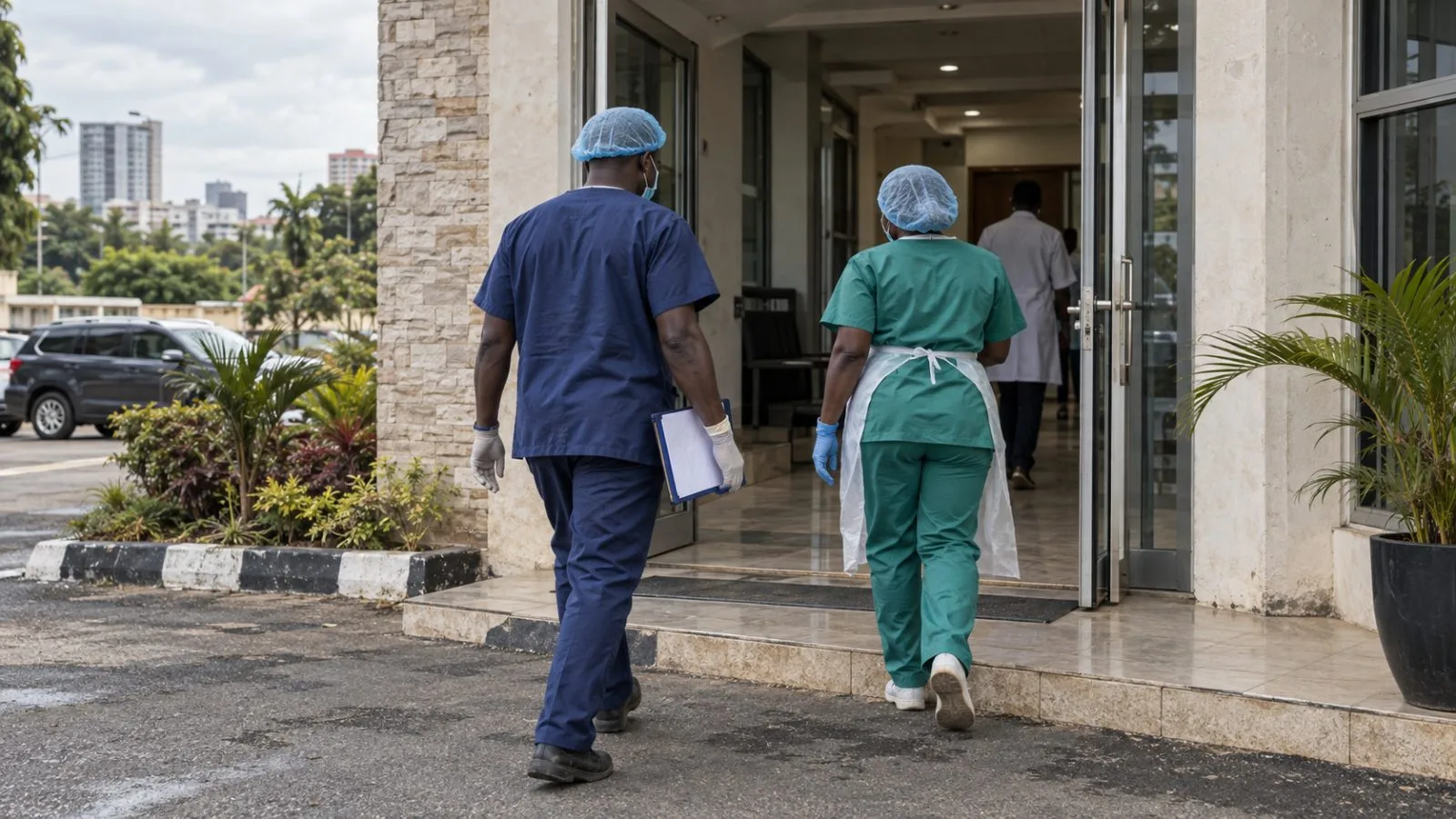
The request follows funding cuts that forced WHO to shrink its budget and workforce over the past 18 months. Approval would continue a financing plan members agreed in 2022, rather than establish a new funding commitment.
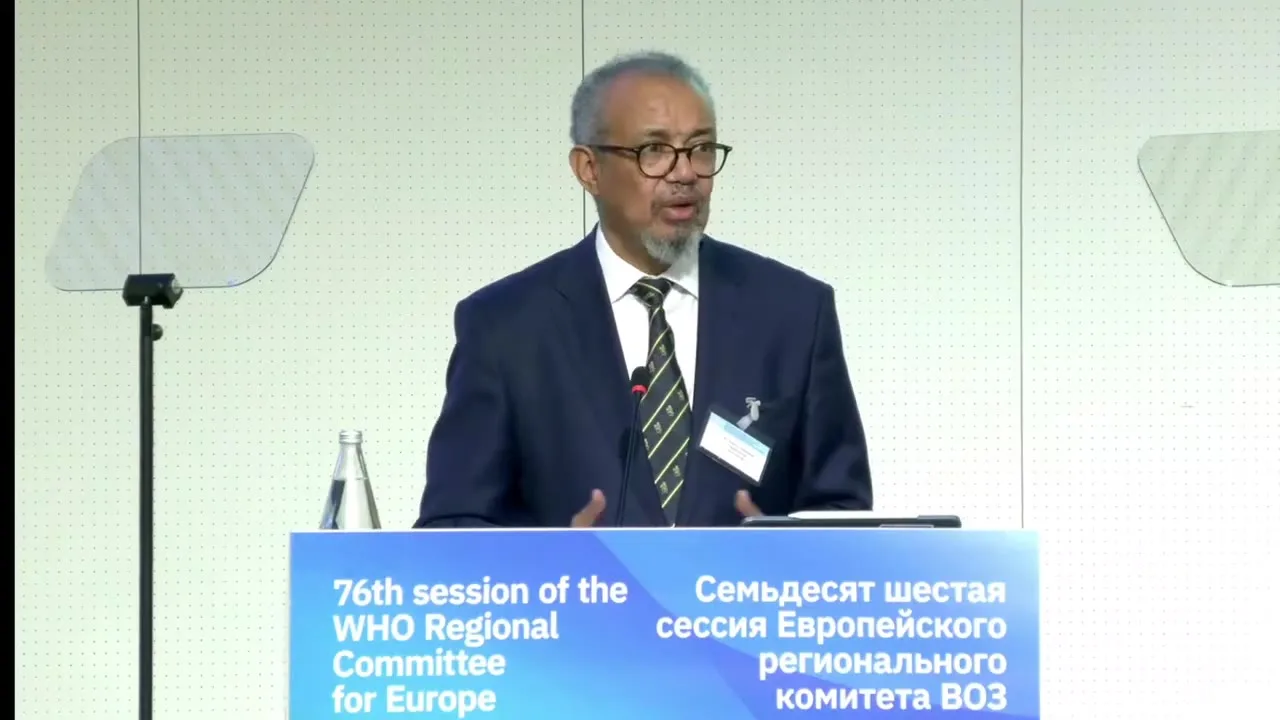
Tedros addressed the WHO Regional Committee for Europe in remarks carried on the United Nations’ own channel. His account of the agency’s finances and restructuring represents the institution’s assessment of its work.
He asked members to approve the next increase at the World Health Assembly next year and support the remaining three increases. Members approved the first two in 2023 and 2025.
Those earlier increases limited staff losses, he said. Mandatory payments give the agency funding it can allocate more freely than voluntary contributions designated for particular activities.
WHO’s reserves are double their level when he became director-general, its budget is 23% larger and its current two-year budget is fully funded. Much voluntary funding still carries spending restrictions, leaving some activities short of money.
Tedros gave no amount for the proposed next increase or the remaining funding gaps. Approval of that increase still rests with member states at next year’s assembly.
He also asked governments to finish negotiating a system for sharing access to pathogens and the benefits from their use. Completing that annex would allow the WHO pandemic agreement to open for signature and begin ratification.
Members adopted the agreement in 2025 after approving amendments to the International Health Regulations, rules governing countries’ responses to cross-border health threats, in 2024. Differences over the annex remain, with no completion date given.
Tedros asked European governments to help shape changes to how global health institutions work together. A task force jointly chaired by Germany and China will report later this year, following a request from members at May’s World Health Assembly.
He described overlapping work, competition for resources and systems that do not always meet countries’ priorities. His requests also included preserving changes to WHO’s organization and staffing.
WHO cut assistant director-general posts by half and director posts by almost half. Retirements, early departures and removal of vacant positions accounted for most staff reductions globally, while headquarters absorbed most forced departures.
The European regional office retained 33 country-level offices despite taking a large share of the cuts. The region also has 322 WHO collaborating centres, including 53 designated over the past year.
WHO held its first global forum for those centres in April and plans another next year. A regional session on their work is scheduled for Wednesday.
Tedros also backed regional work on healthy ageing, artificial intelligence in health and chronic disease prevention. He called for implementation of health taxes, marketing restrictions, smoke-free laws and primary health care.
He cited progress against infections across Europe alongside continuing problems with household medical costs, mental health and staffing. Measles transmission has returned in several countries that had previously eliminated it.
Tedros described the meeting as his last European regional committee appearance before his term ends in August next year. He framed his four requests as priorities for his final 10 months.