Marine biodiversity loss threatens an ocean economy valued at $2.6 trillion, World Trade Organization Director-General Ngozi Okonjo-Iweala said in remarks published Nov. 5, calling for stronger trade rules and international cooperation.
The WTO published her remarks under the title “Director-General: Leverage trade and partnerships to build a resilient ocean economy” on Nov. 5. Okonjo-Iweala called for further fisheries subsidy restrictions to strengthen an agreement that took effect in September 2025.
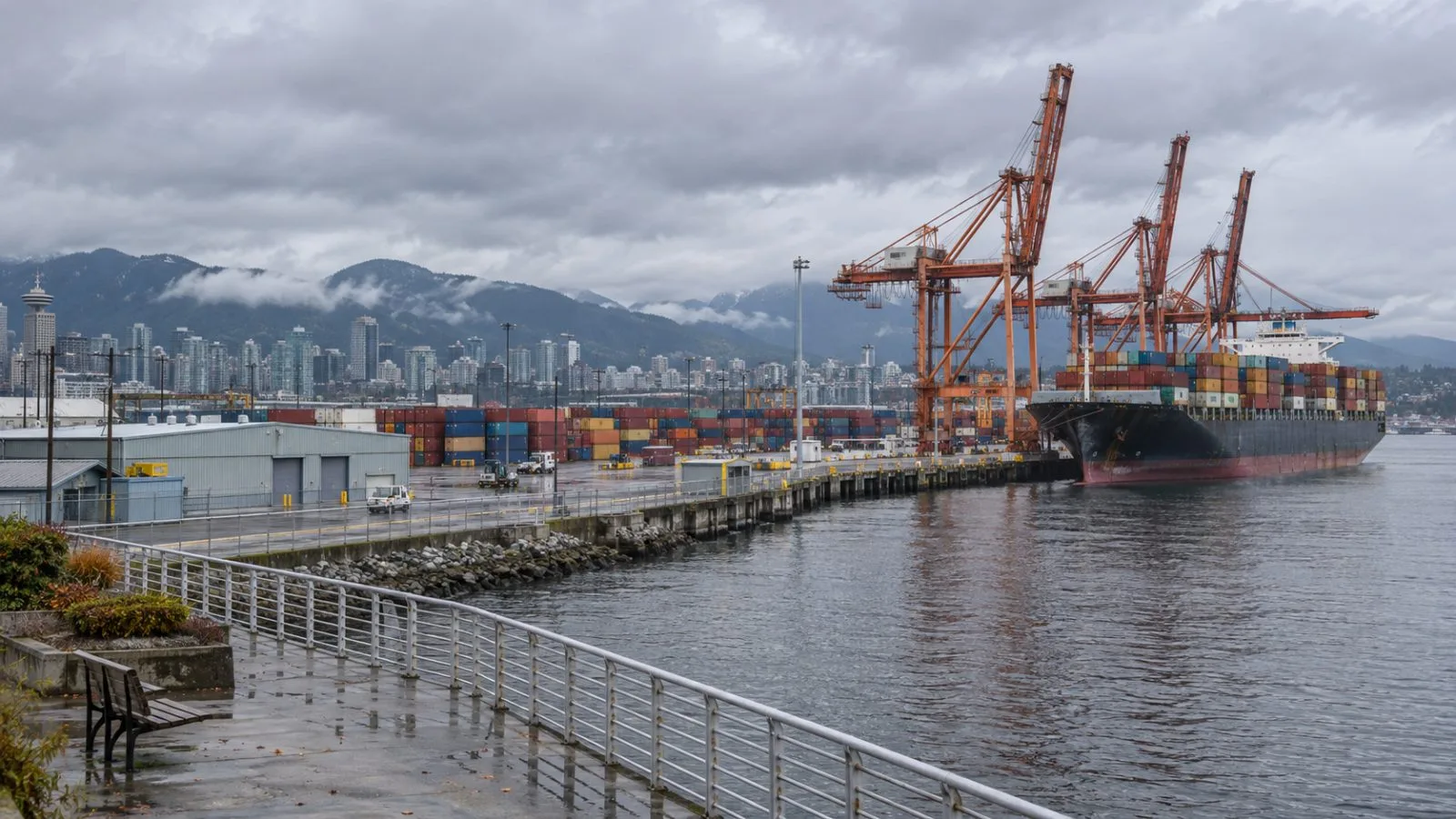
The ocean economy supports around 133 million jobs, and more than 80% of goods traded worldwide travel by sea, Okonjo-Iweala said. She said damage to marine biodiversity threatens the trade, food supplies and livelihoods that depend on the ocean.
Okonjo-Iweala said 72% of world goods trade still takes place on WTO most-favoured-nation terms, which generally give trading partners equal treatment, despite geopolitical turbulence. She said the trading system had helped countries protect the ocean through its agreement on fisheries subsidies.
The WTO said the agreement prohibits subsidies for illegal, unreported and unregulated fishing, fishing of overfished stocks and fishing on the unregulated high seas. It is the organisation’s first agreement to put environmental sustainability at its centre.
Okonjo-Iweala said members should finish the remaining fisheries subsidy negotiations, known as “Fish 2”, to strengthen those rules. She also called for support to help island and coastal economies earn more from ocean-related products.
Those economies need better access to technology, skills, infrastructure and finance to process products, secure certification and reach buyers, she said. Her call covered the resources needed to develop products and sell them in international markets.
“Trade already offers tools” to develop the ocean economy, Okonjo-Iweala said. She cited the WTO Trade Facilitation Agreement, which helps perishable goods move quickly across borders, among the measures available.
Other efforts she identified include WTO discussions on plastics pollution, single-use plastics and access to waste-management technology. She also cited talks on environmental sustainability and access to goods and services needed to shift towards greener production.
Okonjo-Iweala identified the Enhanced Integrated Framework and the Standards and Trade Development Facility as further sources of support. She said partnerships could help bring together the resources available in Geneva to support sustainable ocean development.
One partnership she cited was the Geneva Nexus, an informal knowledge-sharing group established in June 2026 by Portugal’s permanent mission and other missions to the United Nations in Geneva. Its work covers ocean governance, trade, biodiversity, health and food security, the WTO said.
Okonjo-Iweala called on partners to strengthen cooperation and turn their connections into action. “We have the instruments. We need to do more,” she said.