Children with disabilities in Gaza are struggling to get consistent lessons as war damage and other barriers disrupt education, while a separate U.N. estimate says 200,000 children overall lack structured learning.
A September assessment by the United Nations Children's Fund (UNICEF) described a broad break in schooling: most children with disabilities had no regular attendance or could join lessons only sporadically. The agency listed insecurity, damaged buildings and shortages of assistive devices, as well as transport costs, inaccessible routes and unreliable internet and electricity.
In a separate phone survey of 2,071 households across Gaza's governorates, UNICEF found that 46% of surveyed children with disabilities participated in formal or informal learning. Caregivers identified safety concerns (34%), cost and transport difficulties (33%) and a lack of adapted materials (28%) as barriers.
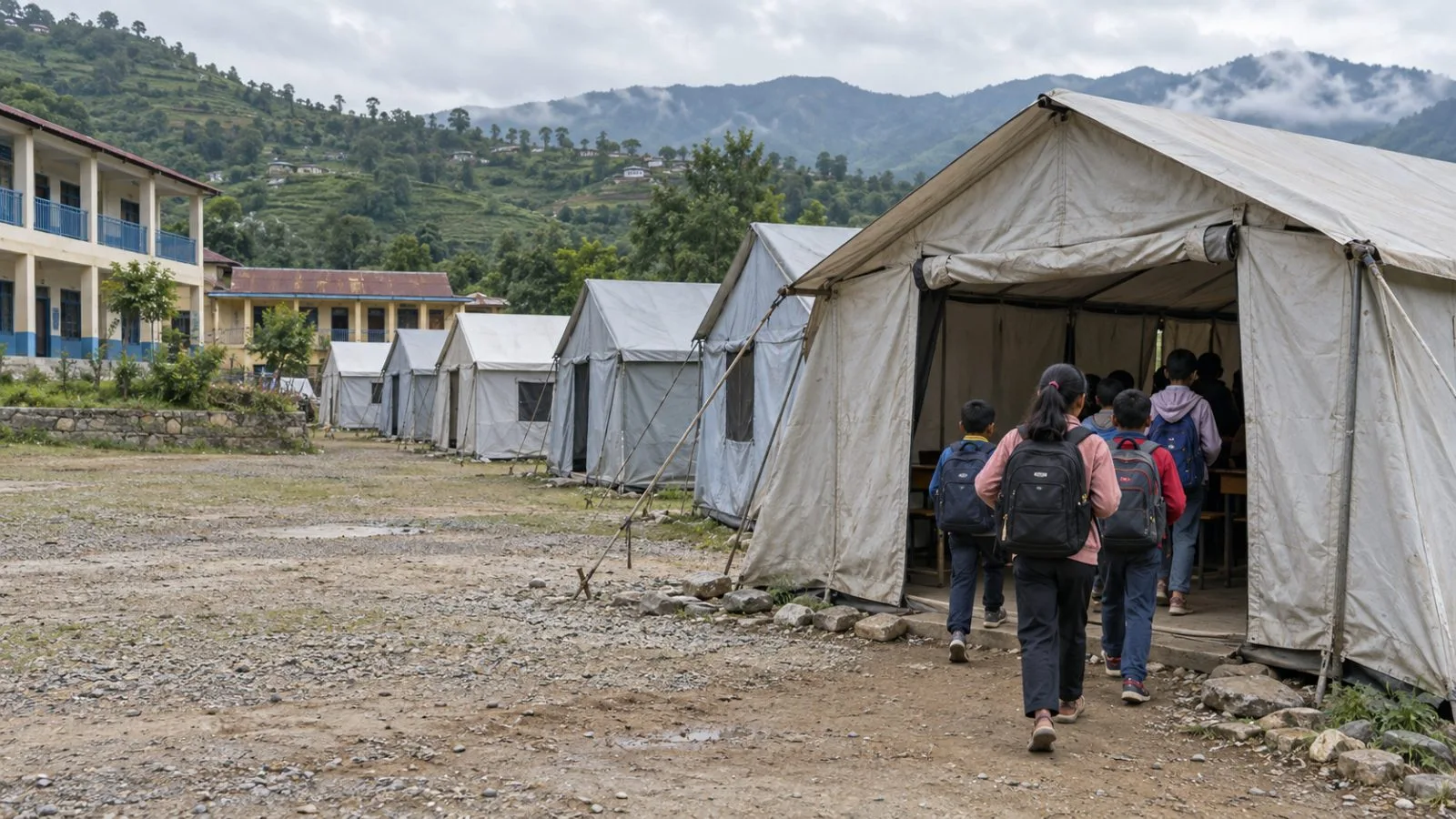
The U.N. Office for the Coordination of Humanitarian Affairs (OCHA) estimated Oct. 15 that 200,000 children in Gaza overall had no access to structured learning. It reported that 695 temporary learning spaces enrolled about 564,000 children from Sept. 29 to Oct. 12, including 18,985 children with disabilities. The enrollment figures do not show how many received specialist instruction.
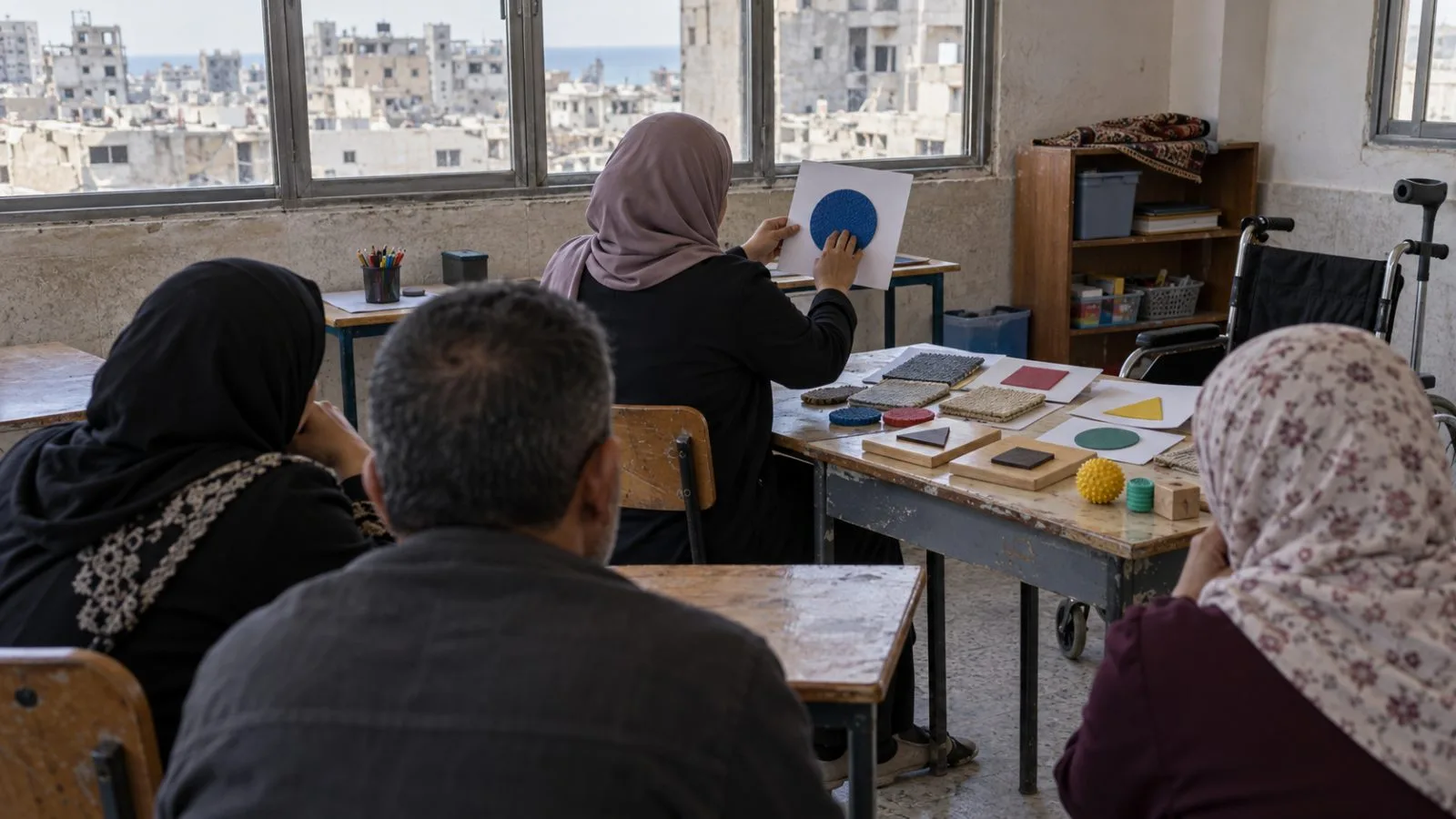
In a feature published Oct. 25, Al Jazeera reported that 13-year-old Kenan al-Sabaa receives lessons at an Atfaluna temporary site for only a few hours a week. His father, Tamer al-Sabaa, told the outlet: “These few hours do not cover or repair the massive educational gap.”
Al Jazeera said Atfaluna began holding classes in temporary sites after its building was damaged and used as a shelter. The outlet also reported that al-Noor closed after severe damage. Former counselor Duaa Omar Basheer described it to Al Jazeera as Gaza's only public school for middle- and high-school students with visual impairments.
UNICEF said conflict and displacement have added to poverty, fragmented governance and longstanding gaps in inclusive services. Families, particularly primary caregivers, are left to bridge shortfalls in transport, affordability, referrals and continuity of care, the agency said.