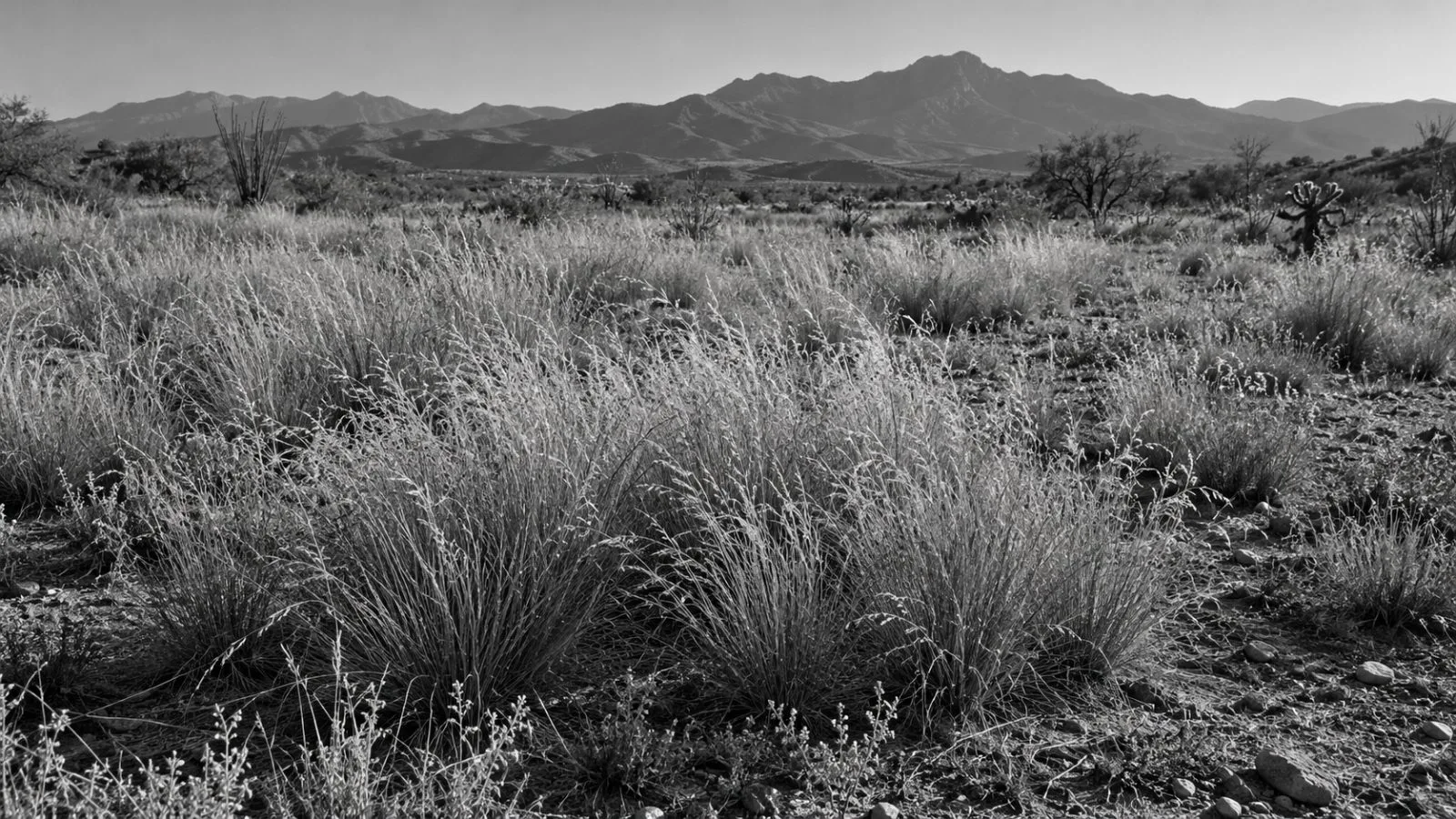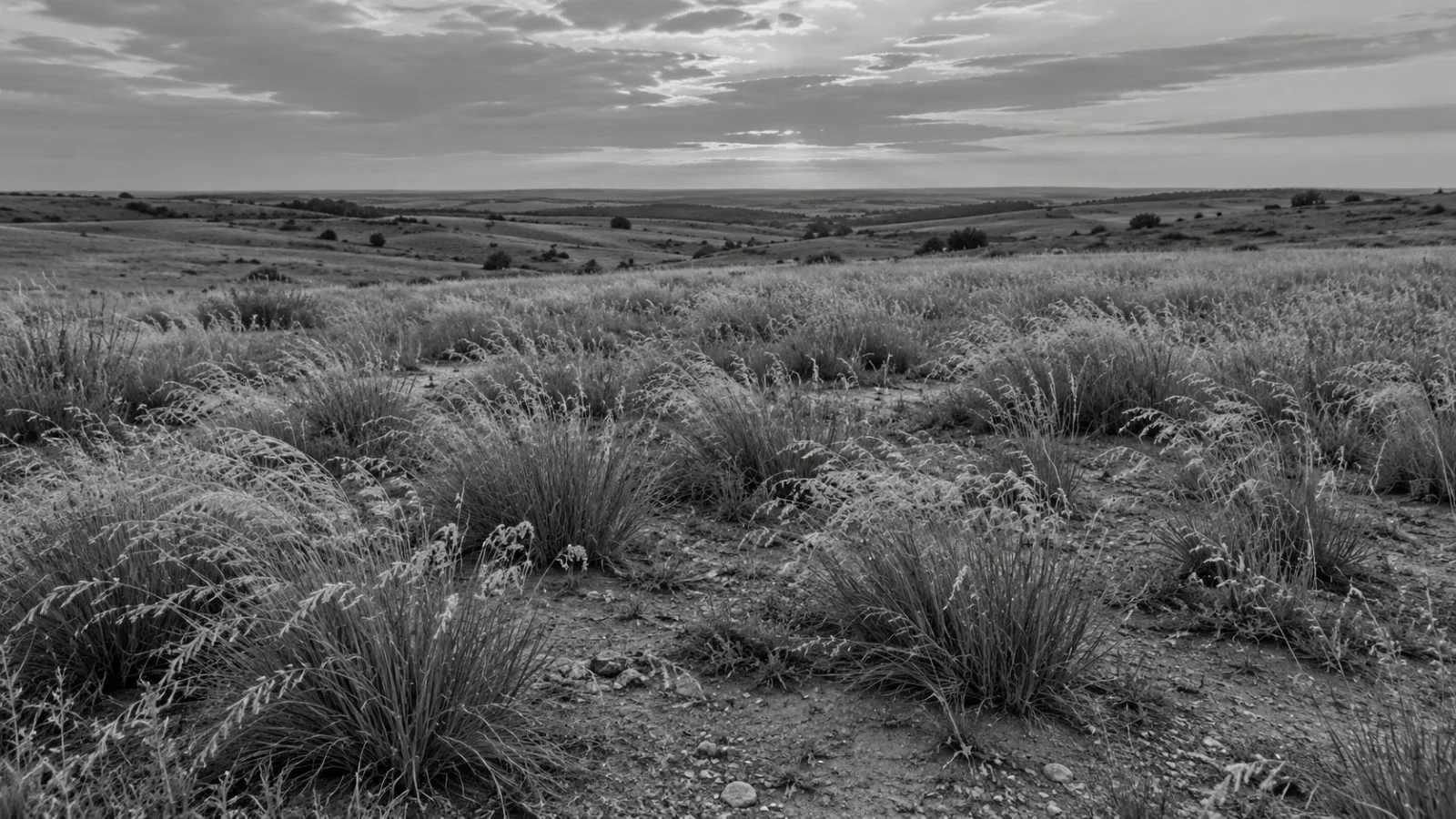
The U.S. Department of Agriculture (USDA) Forest Service says weeping lovegrass ecotype A-67 was planted and established on 2 million acres in Oklahoma and northwestern Texas, while Arizona studies reported ecological concerns.
The grass, Eragrostis curvula, is native to southern Africa but nonnative in the United States. Forest Service records date its first U.S. planting to Stillwater, Oklahoma, in 1935. From 1936 to 1945, it was planted extensively for erosion control in the southwestern and south-central United States. The agency also lists livestock forage as a use and links the grass’s erosion-control role to its root system.
The Forest Service says A-67 was planted and established on that acreage between 1940 and 1980. The ecotype was collected in north-central Tanzania.
A 2006 paper by Steven P. McLaughlin and Janice E. Bowers compared plant species richness across habitat plots in southeastern Arizona. Counts summarized by the Forest Service reached 134 species in oak savanna plots, compared with 100 in native grassland and 58 in weeping-lovegrass plots. The researchers sampled separate habitat types, so the 42-species gap is a difference between plot groups, not a measured loss at one location over time.
Native species dominated each plot group, and the Forest Service reports four nonnative species across all the plots. McLaughlin and Bowers proposed competition, possible allelopathy and earlier seasonal growth as explanations for lower richness in lovegrass plots; the study did not establish those as causes.
A 2015 analysis examined vegetation in the Arizona area 15 years after the 1990 Dude Fire. Researchers observed runoff channeling around lovegrass clumps and said the pattern suggested the grass may have done little to prevent erosion, or may have increased it, at that site. The finding applies to the studied burned area and does not establish the grass’s effects everywhere it was planted.
The study also reports that nearly $2 million went to seeding and reforestation in the area from 1991 to 1995 for erosion control and vegetation recovery. It does not identify how much, if any, of that combined spending was specifically for lovegrass.