The White House said U.S. manufacturing added 72,000 jobs in 2026 as third-quarter business investment accelerated, presenting the gains as evidence of an industrial expansion under President Donald J. Trump.
In a Nov. 3 release, the administration put overall business investment growth at 12.7% for the third quarter, its fastest pace in 15 years. It reported a 9.4% increase in private investment in plants and equipment, more than twice the 2025 rate and about three times the pace in former President Joe Biden’s final year.
The White House said capital goods made up a record share of U.S. goods imports in September, while imports of consumer goods were at their lowest level on record. The White House interpreted the mix as a sign that companies were bringing equipment into the country to outfit factories rather than relying on imports of finished goods.
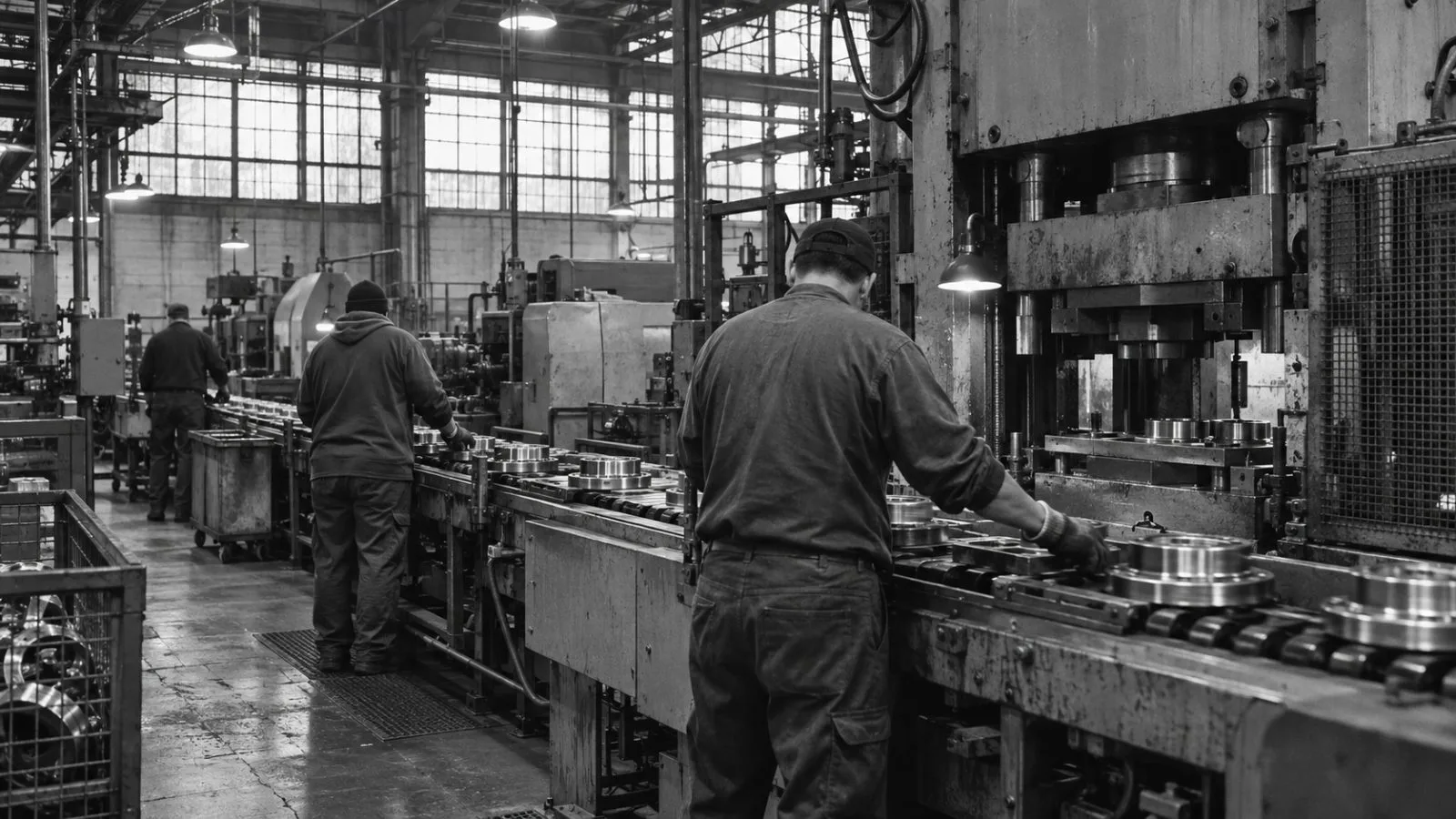
The administration said manufacturers added 72,000 jobs this year, following a loss of 202,000 manufacturing jobs during Biden’s final two years in office. Employment in factory construction was nearly 112,000 higher than when Trump took office, according to the White House. It also reported that manufacturing workers’ weekly pay rose 5% from a year earlier, faster than inflation.
The White House said manufacturing activity had expanded for a 10th consecutive month and described production growth as its strongest in almost five years. The administration put monthly U.S. machine-tool orders at their third-highest level on record, more than 36% above a year earlier.
Among the investments it cited, Audi announced a $4 billion Georgia factory, its first U.S. manufacturing plant, which is expected to create 4,500 jobs. EconoTimes previously covered Audi’s Georgia factory plan.
The release also listed Westinghouse Electric’s $1 billion plan for a next-generation nuclear fuel factory in South Carolina and U.S. Steel’s $3 billion hot strip mill near Pittsburgh, which is expected to add about 1.3 million tons of annual capacity. Other announcements included Apple’s investment of up to $100 million in U.S. titanium production, Bombardier’s $270 million in U.S. manufacturing investment and a Carrier facility costing more than $600 million in Fort Worth.