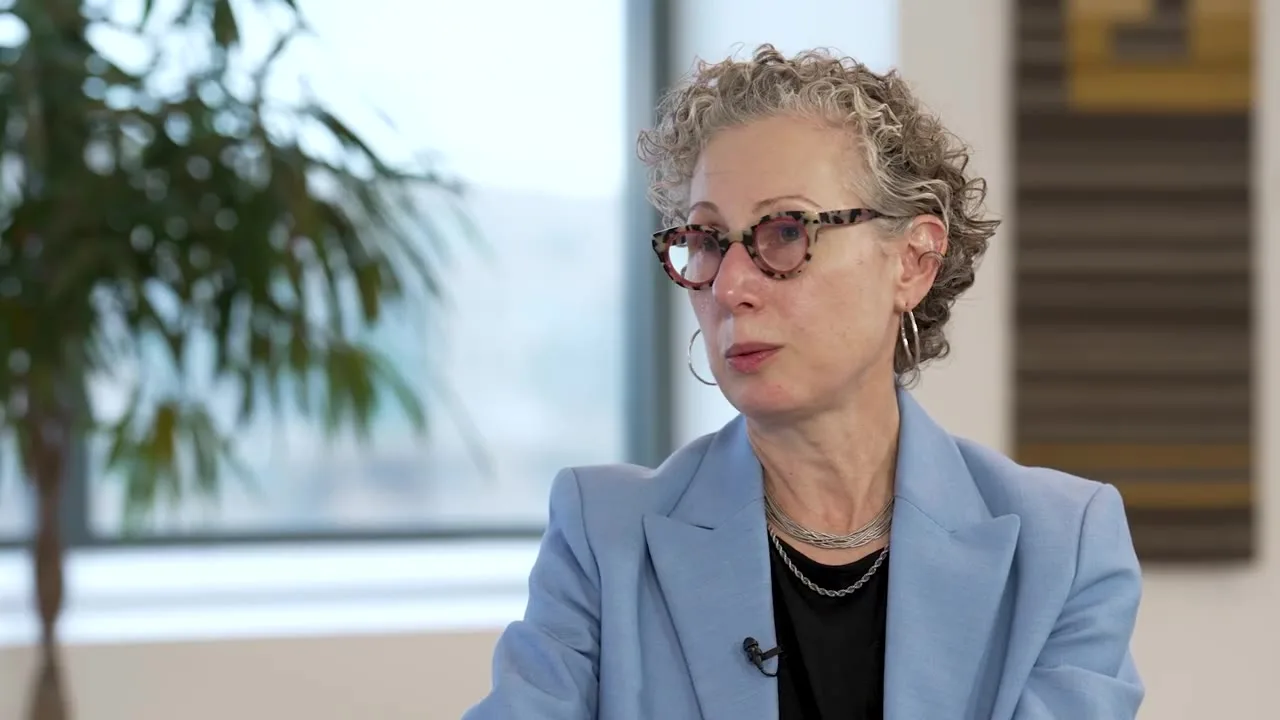
Xavier University wants its World Bank Group partnership to expand education and research opportunities in developing countries and help local talent build businesses, university leader Dr. Verret said.
The ambitions extend to teaching abroad, research exchanges and helping countries turn natural resources into products locally. Verret described possibilities for cooperation without announcing funding, a timetable or specific projects.
He discussed the partnership in the World Bank Group's own interview, “HBCUs and the World Bank Group: A Global Partnership,” published Nov. 9. HBCUs are historically Black colleges and universities.
Verret began by describing Xavier's Catholic foundation and its emphasis on service, saying most students are not Catholic. Learning gains its full meaning when graduates use it to help others, he said.
“It's about the service that we do,” Verret said, describing education as a way for individuals to benefit a wider community.
He described entrepreneurship as a process of developing small pilot projects into businesses, identifying customers and understanding their needs. That applies to biomedical work as well as students pursuing music and the arts.
Students need to understand how to protect and share intellectual property, alongside finance and venture capital. Business and engineering students can work together to develop an idea, learning from each other's disciplines.
Xavier faculty research entrepreneurship mainly through business and finance programmes, with some work in the social sciences. Their interests include unequal access to resources and routes into business.
Verret then proposed cooperation and exchanges with people in Africa and the Caribbean to develop technologies and skills. Countries need facilities, resources and working environments that encourage talented people to stay or return.
Without those conditions, people may move to Europe, the United States or elsewhere to continue their work. He compared the opportunities available through changing technologies with the shift from landlines to mobile phones.
Turning to medicine, Verret described RNA vaccine technology and vaccines designed for individual patients' tumours as possible areas for development. He linked those possibilities to infrastructure, while acknowledging that implementation would not be straightforward.
He said technological change creates opportunities but left its direction open. “I don't think I have the clear vision to understand exactly where it will be,” Verret said.
Preparing students requires teaching them to question ideas, understand their origins and remake them, he said. Students should retain their ability to think rather than hand that responsibility to machines.
On Xavier's international ambitions, Verret said its vice president of enrolment was in Lagos after visiting Zambia. He also sought research cooperation on turning biological and mineral resources into products within the countries that possess them.
Asked what would make the partnership useful, Verret identified opportunities to offer education abroad and connect local researchers with international counterparts. He supported exploring cooperation through African research centres, but the discussion left the arrangements unresolved.
“It's an ambitious agenda,” Verret said, adding that he wanted work to begin and continue beyond the current leadership.