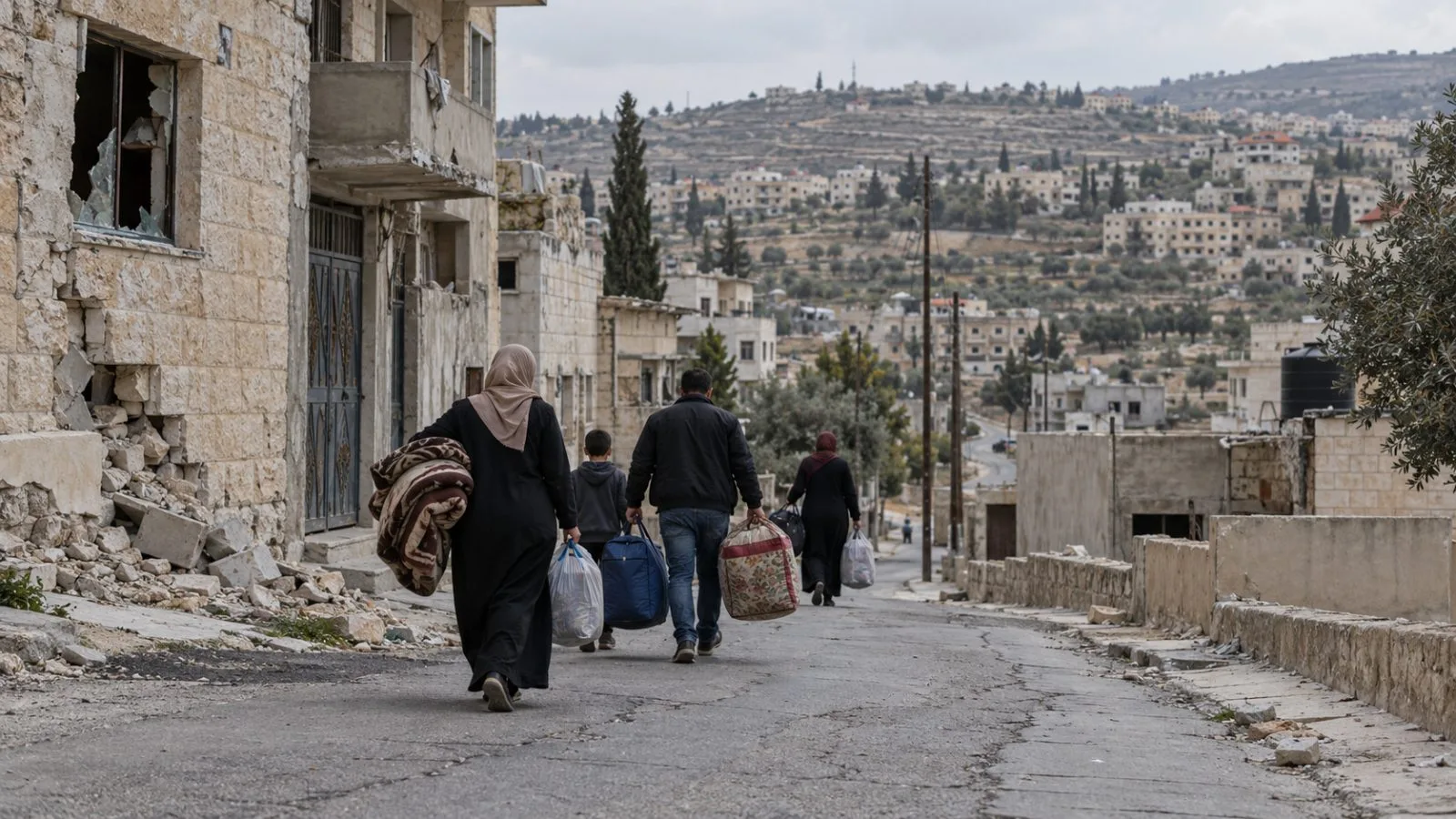
Fighting has displaced more than 290,000 people in Yemen since early August, the United Nations said, including nearly 6,100 pregnant women; 600 are expected to give birth within two weeks of an Oct. 30 briefing.
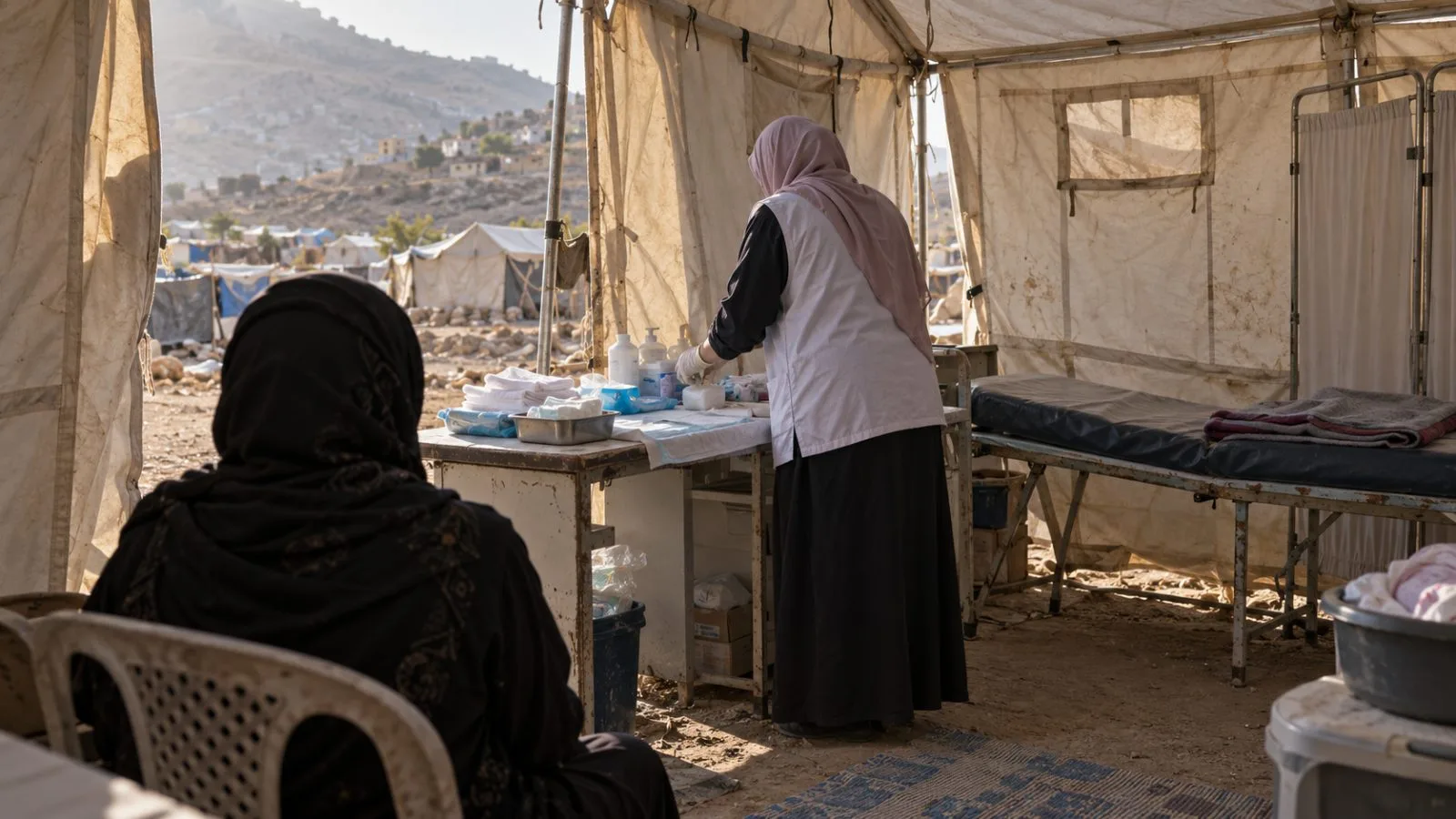
The U.N. Office for the Coordination of Humanitarian Affairs (OCHA) reported the displacement total, while the United Nations Population Fund (UNFPA) supplied the pregnancy estimates. UNFPA said it had deployed mobile teams and midwives to displacement sites and delivered maternal health supplies. The 600 figure is a projection for the two weeks following the briefing.
In an Oct. 16 update, UNFPA said more than 147,600 women and girls of childbearing age in Taiz city had lost access to life-saving care. Only five of 27 designated emergency maternal and neonatal care hospitals were partially functioning, the agency said.
Francesco Galtieri, UNFPA representative in Yemen, said, “Women and girls face greater risks to their health, safety and survival.”
The Oct. 30 briefing said aid groups had provided food, hygiene items and emergency cash to nearly 249,000 displaced people. Separately, the Office of the United Nations High Commissioner for Refugees (UNHCR) said more than 65,000 refugees and asylum-seekers in Yemen faced service disruptions and rising food and fuel prices. UNHCR cited economic collapse, dwindling resources and access constraints as factors worsening refugees’ conditions.
The UNHCR data portal listed 5,201,088 internally displaced people in Yemen as of Aug. 31, citing the Task Force on Population Movement. That is a different snapshot from OCHA’s Oct. 30 report: the portal’s count is dated Aug. 31, while OCHA’s figure covers new displacement since early August.
EconoTimes has also reported on displacement and supply-route disruptions around Taiz.