India’s Supreme Court left in place a ruling reversing Yes Bank’s 2020 write-down of ₹8,415 crore (₹84.15 billion) in Additional Tier 1 bonds, leaving the lender facing a possible capital hit if principal is reinstated.
Yes Bank estimated that restoring the principal would lower its Common Equity Tier 1 (CET1) ratio by about 250 basis points, or 2.5 percentage points. The bank calculated that pro forma effect using June 30, 2026, as the reference date and said its Tier 1 ratio would be 14%. The order set no amount or schedule for principal repayment.
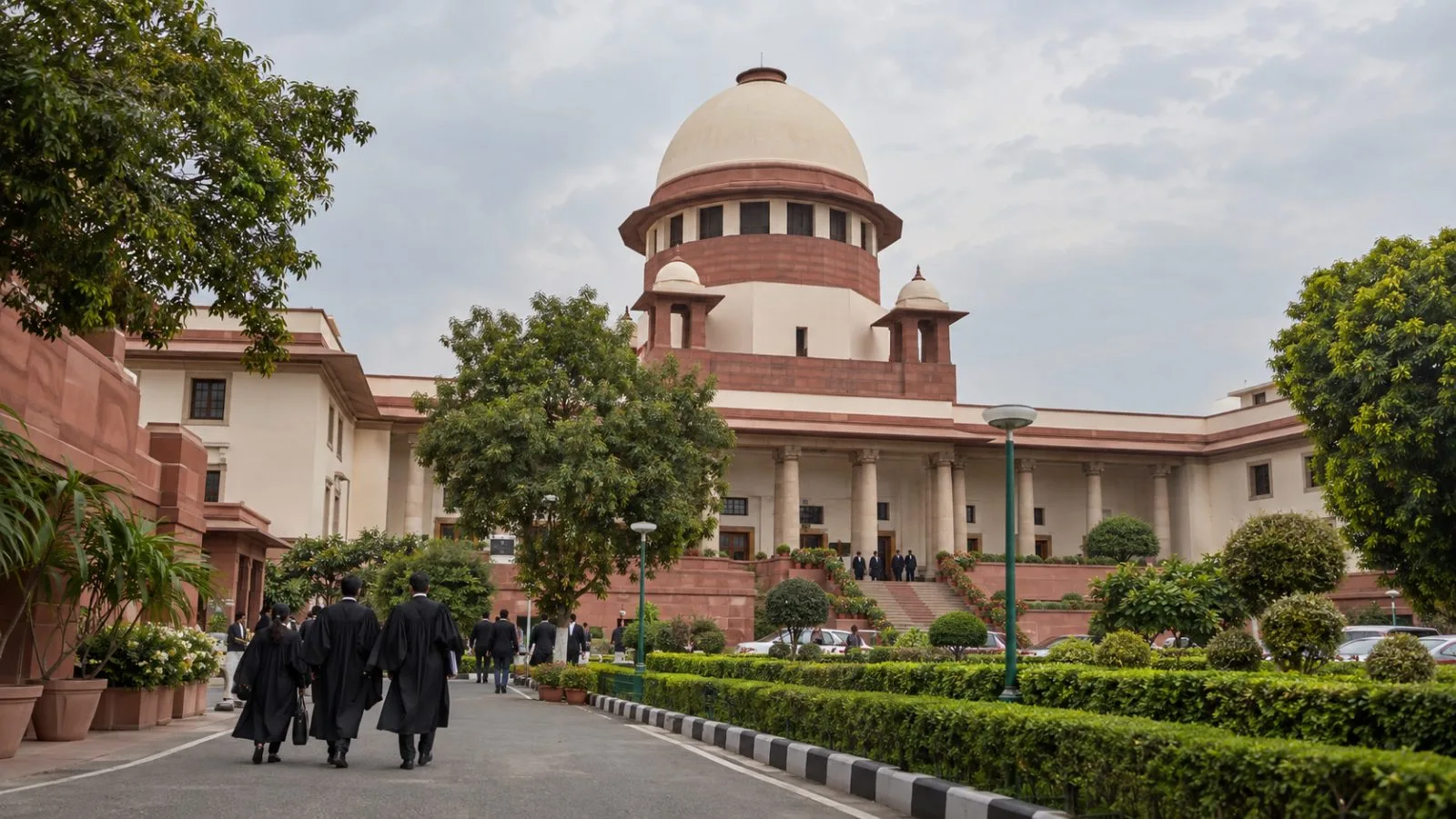
On Oct. 15, the Supreme Court dismissed appeals by Yes Bank, the Reserve Bank of India (RBI) and the Union of India, leaving in force the Bombay High Court’s decision to invalidate the write-down. The court’s reasoning turned on the bank’s reconstruction scheme: a proposed clause allowing AT-1 principal to be reduced did not appear in the final version, and the court said the Administrator could not exercise powers belonging to the RBI.
Yes Bank issued the bonds in two offerings: ₹3,000 crore on Dec. 23, 2016, and ₹5,415 crore on Oct. 18, 2017. The Administrator wrote them down on March 14, 2020, during the bank’s reconstruction. The order leaves annual coupon payments payable under the bonds’ Information Memoranda and permits pending proceedings to continue.
For the quarter ended Sept. 30, 2026, Yes Bank reported standalone net profit of ₹1,080 crore, up 65% from a year earlier, and net interest income of ₹2,822 crore, an increase of 22.7%. Gross nonperforming assets were 1.2%, down 40 basis points year over year. The bank said these reported results did not incorporate the ruling’s estimated effect. Its results materials included an alternative standalone calculation showing a ₹5,217 crore loss for the quarter if that estimate had been recognized.
The reversal benefits bondholders, while Yes Bank may face pressure on capital and earnings if principal is restored. Managing Director and CEO Vinay M. Tonse said the bank was examining the ruling and would “keep stakeholders informed as matters progress.” Yes Bank also said it had capital-management options. Its review of the legal, accounting and capital implications is the next stated step; the court set no date for a further decision.