


 Zcash Privacy Demand Rises as AI Exposes Bitcoin Transactions
  Kazakhstan and Tether Explore Tenge Stablecoin and RWA Tokenization
  DogecoinVM Makes DOGE Transactions 300x Faster
  Florida Seeks Tougher Meta Rules to Protect Young Users
  TikTok Accused of Testing Fake Safety Tools on Users
  JPMorgan CEO Jamie Dimon Warns Mythos AI Raises Cyber Risk Tenfold
  Rapidus Seeks Chip Customers as Japan Pushes 2nm Semiconductor Revival
  Iceland 4x4 Rental Guide: When Do You Really Need Four-Wheel Drive?
  SpaceX Seeks $40 Billion for Nvidia AI Chips
  Litecoin Marks 15 Years as Grayscale Backs LTC ETF Push
  Firmus Grid IPO Draws Strong Demand, Nvidia and Blackstone Could Raise Stakes
  Europol Warns Bitcoin Wallets Face Quantum Computing Risk
  Samsung Q3 Profit Hits Record High on AI Memory Demand
  Micron Shares Rise 4% Despite Taiwan Strike Risk
  Gate Launches Gate Money as Crypto Super App Race Heats Up
  Nvidia-Backed Reflection AI Launches Beam Open-Weight Model
  Evernorth XRPN Nasdaq Listing Delayed to October 12


 Add as a preferred source on Google
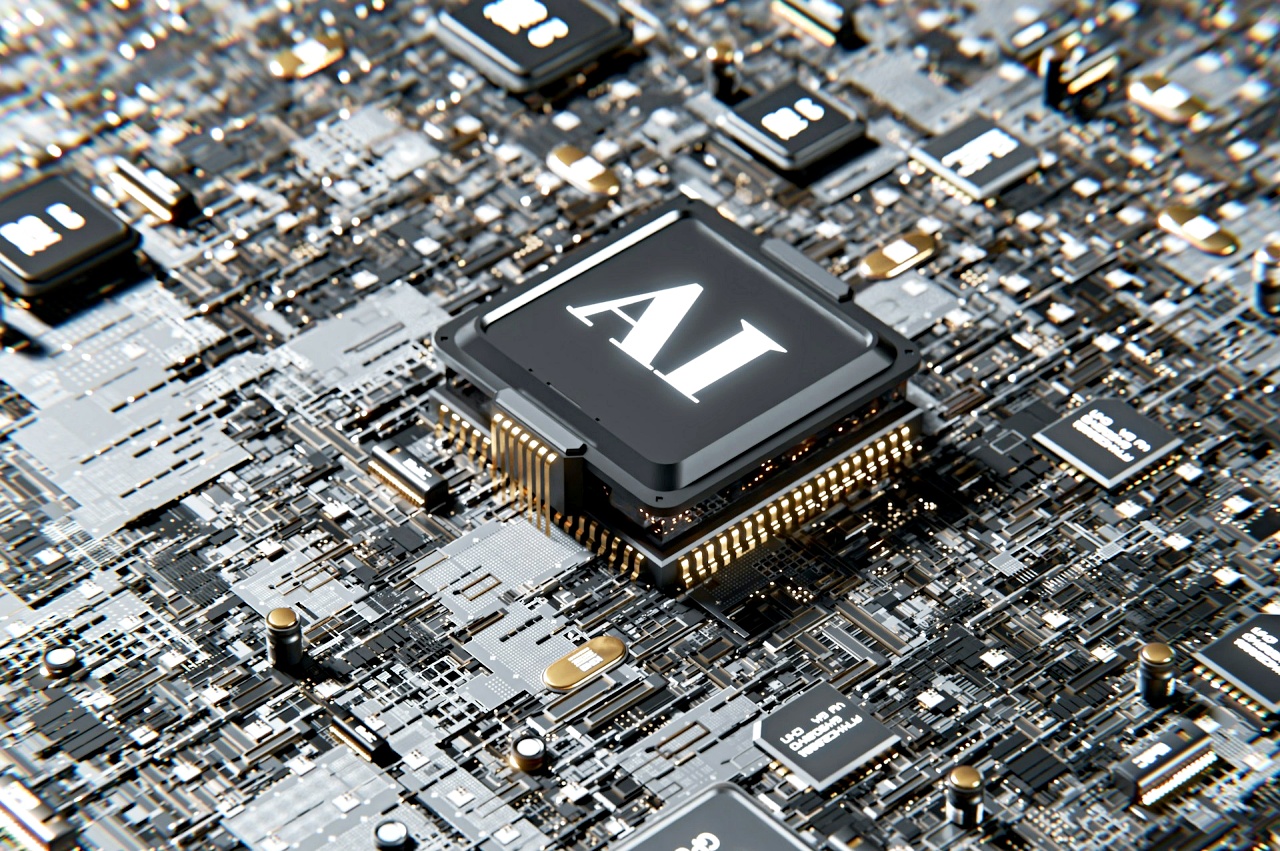
Knowledge Atlas Tech Joint Stock (HK:2513), the listed company associated with Chinese AI startup Zhipu AI, surged on Tuesday after a report said the company is exploring the development of a custom application-specific integrated circuit (ASIC) to power its GLM family of large language models.
Shares climbed as much as 9.9% in Hong Kong trading, outperforming the Hang Seng Index, which gained about 2%, as investors reacted positively to the potential move into proprietary AI chip development.
According to The Information, Zhipu AI has begun preliminary discussions with several Chinese chip design companies about creating a specialized AI processor tailored to its large language models. However, the company has not selected a development partner, and the project remains in its early stages. The report added that designing the chip could take more than two years.
The initiative comes as demand for Zhipu AI's recently launched GLM-5.2 model continues to surge. Daily token usage reportedly increased 27-fold during the first week following the model's release, significantly increasing computing requirements. The growing demand also highlights the challenges Chinese AI companies face as U.S. export restrictions continue to limit access to Nvidia's most advanced AI chips.
Unlike general-purpose graphics processing units (GPUs), ASICs are built for dedicated workloads, allowing companies to improve efficiency, lower energy consumption and reduce long-term operating costs for AI inference. Developing an in-house processor could also lessen Zhipu AI's dependence on third-party chip suppliers while strengthening control over its AI infrastructure.
If the project moves forward, Zhipu AI would join a growing group of technology companies investing in custom AI silicon. Industry leaders including Google, OpenAI, Alibaba and ByteDance have already developed proprietary AI chips to optimize performance and reduce reliance on external hardware providers. The trend has become increasingly important for Chinese AI firms seeking domestic alternatives amid tightening U.S. technology export controls.
According to the report, the next key milestone will be the selection of a chip design partner, a step that would indicate the project has progressed beyond the exploratory phase.







