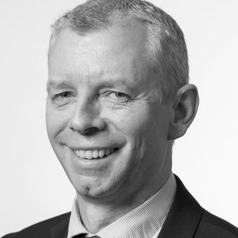
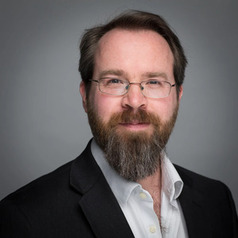
Emeritus Professor of Avian Sensory Science, University of Birmingham Professor Graham Martin is an Ornithologist with an international reputation built upon his research into the sensory worlds of birds. In recent years he has used his expertise to focus on problems concerned with the functions of vision, especially binocular vision, in foraging behaviour, and in understanding why some bird species are particularly vulnerable to collisions with human artefacts, such as wind turbines, power lines and fishing nets.
Pro Vice Chancellor for the Faculty of Business and Law, Northumbria University, Newcastle I am a specialist in strategy and organizational change. I take a particular interest in what people do in the development of strategy and have therefore studied away days and workshops as well as conducting longitudinal studies with a range of FTSE-listed organizations, major public-sector organizations and SMEs. My recent book "Strategic Management: strategists at work" (Bloomsbury, 2023) offers advice on how to develop strategy. I Chair the Chartered Association of Business Schools, was formerly the Chair of the charity Turning Point Scotland and am a non-executive board member of Revenue Scotland, the devolved tax authority of the Scottish Government. I am a Fellow of the Institution of Engineering and Technology, the Academy of Social Sciences and the British Academy of Management.
Associate Professor in Medical Anthropology, UCL Susie's work focuses on reproductive disruptions, pregnancy endings and miscarriage. Her interest on impaired parenthood and compromised reproduction was piqued during her PhD work on Gulf War Syndrome (GWS) and her book Impotent Warriors: Gulf War Syndrome, Vulnerability and Masculinity includes these themes (Berghahn, 2009). Her research explored how cultural context impacts the way pregnancy loss is framed, articulated, and experienced in Qatar and the UK; and led to the book Pregnancy and Miscarriage in Qatar: Women, reproduction and the state (Bloomsbury, 2020) and Navigating Miscarriage: Social, Medical and Conceptual Perspectives (Berghahn, 2020). In 2019 She was awarded a Wellcome Trust University Award to continue her research into pregnancy endings. This ongoing project investigates what is left behind when a pregnancy ends and asks how these materials are perceived and handled in different contexts (clinics, homes, burial sites, crematoria) and by different people (women, their families, doctors, nurses, and funeral staff). For this work she has been based at an NHS Early Pregnancy Assessment Unit and its associated gynaecology wards. Susie has previously worked for the NHS as a clinically applied medical anthropologist.
Emeritus Professor of Russian, University of Sussex Robin Milner-Gulland is Emeritus Professor of Russian and East European Studies at the University of Sussex, and an eminent translator, author and editor of works on Russian topics. He is the author of Cultural Atlas of Russia and the Former Soviet Union (2nd edn, 2002), The Russians: The Peoples of Europe (1997) and Patterns of Russia: History, Culture, Spaces (Reaktion, 2020), and translator of Icon and Devotion (Reaktion, 2002).
Associate Professor of the Oxford Skeletal Ageing and Regeneration Group, University of Oxford James Edwards leads the Skeletal Ageing and Regeneration research group at the University of Oxford. This work is focused upon revealing causes of ageing-related skeletal decline and exploring novel approaches to better treat the consequences of musculoskeletal ageing. Prof Edwards graduated from Wadham College, University of Oxford with a D.Phil (Ph.D.) from the Medical Sciences Division, Nuffield Dept. of Orthopaedics, Rheumatology and Musculoskeletal Sciences after completing research work studying bone tumour pathology and TNF-family ligands in the bone remodelling process. This was followed by cellular, molecular and pre-clinical research at the University of Texas Health Science Centre at San Antonio, and later as part of the founding research team at the Vanderbilt Centre for Bone Biology. During this time Prof Edwards developed a strong research theme investigating links between ageing and longevity mechanisms and the onset of musculoskeletal disease, with work recognised with ASBMR, ECTS and IBMS awards. This ongoing work forms the basis of the Oxford Skeletal Ageing and Regeneration group, which aims to understand the causes of age-related skeletal decline and better address the consequences of such disorders. In recent years, this has included the study of sirtuin biology in musculoskeletal tissues and how the acetylation status of key intracellular proteins fine tunes normal cell biology and function with increasing age, how the cellular recycling process of autophagy declines in ageing cartilage and can be activated to protect against arthritis disease, and how novel degradable alloys can improve fracture healing and bone repair. The Oxford Musculoskeletal Ageing group has been funded by awards from Arthritis Research UK, Medical Research Council, Wellcome Trust, Orthopaedic Research UK, NC3Rs and through industry collaborations.
Director, University of Johannesburg I hold a PhD in palaeo-archaeology from the University of the Witwatersrand. I have a passion for Plio-Pleistocene primates, palaeosciences policy and transformation.