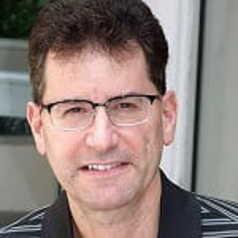
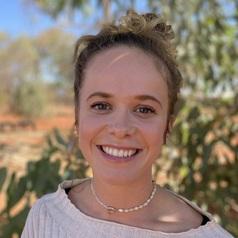
Clinical Assistant Professor of Medicine, University of Pittsburgh Dr. McCreary’s primary research interests focus on a “bench to bedside” approach of optimizing pharmacokinetic and pharmacodynamic principles for antimicrobial utilization and translational antibiotic stewardship initiatives. In less than 18 months at UPMC, she led and implemented stewardship initiatives including: dose-optimization of anti-pseudomonal beta-lactam antibiotics, comprehensive antimicrobial dosing chart by indication, transplant prophylaxis guideline updates, novel necrotizing skin and soft tissue infection pathway, evaluation and assessment of beta-lactam allergy pathway, vancomycin area-under-the-curve-based dosing pharmacokinetic service, and antifungal stewardship. Dr. McCreary is a pharmacist who serves as the Chair of the UPMC System COVID-19 Therapeutics Committee. She also engages in tele-stewardship with several communities hospitals and rounds with the Presbyterian Shadyside infectious diseases consult services. She specializes in the management of patients infected by drug-resistant and/or fungal pathogens.
Vice President of Clinical Analytics, University of Pittsburgh Dr. Kip has experience and interest in managing large observational epidemiological studies and clinical trials, primarily in the areas of cardiovascular diseases, novel psychotherapies, and COVID-19. He also has research interests in psychoneuroimmunology, complementary and alternative medicine, and epidemiological methods.
Associate Professor of Anatomy, Howard University Rui Diogo is Associate Professor at Howard University and Resource Faculty at the Center for the Advanced Study of Hominid Paleobiology of GWU. He won several prestigious awards and is renown worldwide due to his multidisciplinary approach to address broader questions and societal issues using state-of-the-art empirical data, what some nowadays call "experimental philosophy" or "scientific philosophy". He is the author of more than 100 papers in top journals and about 20 books, including one adopted at medical schools worldwide, "Learning and understanding human anatomy and pathology", and one often listed among the ten best evolutionary books in 2017, "Evolution driven by organismal behavior".
Professor of Literature and Director of Irish and Irish American Studies, College of Charleston Joseph Kelly is a professor of literature and the director of Irish and Irish American Studies at the College of Charleston. His latest book, Marooned, reinterprets the Jamestown colony, shifting much of the credit for American democracy away from Plymouth Plantation and onto the rag-tag castaway employees of the Virginia Company. In 2013, he published, America’s Longest Siege: Charleston, Slavery, and the Slow March Towards Civil War, which details the evolving ideology of slavery in America. His first book was a study of the Irish novelist James Joyce, censorship, obscenity, and the Cold War (Our Joyce: From Outcast to Icon). He also edits the popular series, The Seagull Books of Poems, Stories, Plays, and Essays for the publisher W. W. Norton. Right now he’s at work on a book about free speech, fascism, and the invention of liberal democracy.
Professor of Physics, School of Earth and Space Exploration, Arizona State University Sara Walker is an astrobiologist and theoretical physicist interested in the origin of life and how to find life on other worlds. She is most interested in whether or not there are “laws of life’ related to how information structures the physical world that could universally describe life here on Earth and on other planets. Walker is deputy director of the pioneering Beyond Center for Fundamental Concepts in Science, which is devoted to confronting the big questions of science and philosophy. She also co-founded the astrobiology-themed social website SAGANet.org, and is a member of the board of directors of Blue Marble Space. She is active in public engagement in science, with appearances at the World Science Festival and on "Through the Wormhole" and NPR's Science Friday.