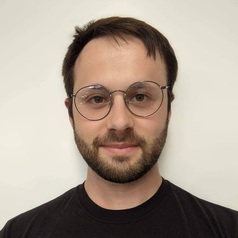
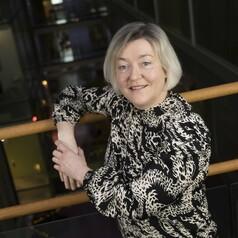
Associate Professor, ArcelorMittal Dofasco Chair in Advanced Manufacturing Policy, Faculty of Engineering, McMaster University I have been with McMaster University since 2015. Prior to that I was General Manager at Toyota Motor Manufacturing Canada. Earlier, I worked with politicians in the Province of Ontario.
Researcher, Centre for Western Sydney, Western Sydney University TOM NANCE is the Manager, Strategy and Delivery with Western Sydney University. He is a leading contributor to the Centre for Western Sydney’s research, partnership and activation platforms, shaping regional narrative and conversation in a way that prioritises equity and opportunity. Tom has an extensive track record of cultivating partnerships and delivering results for government, business and community stakeholders in a way that addresses a range of complex social, economic and systemic issues. He has been sought after to comment on a broad range of issues that affect the region, including gambling-related harm, urban planning and development, education and politics. Previously, Tom held senior leadership roles in the not-for-profit sector, where he co-authored a range of reports that have shaped policy development and service delivery in Western Sydney, including Communities of Change, Home in Western Sydney and The Culturally Responsive Framework to Address Gambling Related Harm.
Postdoctoral Fellow in Genomics and Evolution, The University of Melbourne My research seeks to understand how biodiversity arises through evolutionary modification of animal development. I use diverse experimental approaches ranging from computational genomics to molecular biology and morphometrics. I primarily work with non-traditional model species and have a special emphasis on marsupials. My recent projects focus on the evolutionary origins of mammalian skin and skeletal adaptations and the use of genomics in conservation. I have a BSc from the University of Connecticut, where I majored in Molecular in Cell Biology and minored in Ecology and Evolutionary Biology. I completed my PhD in BioSciences at the University of Melbourne in 2018, focusing on comparative genomics. I then worked for ~5 years as a Postdoctoral Research Associate and NIH NRSA Fellow in the Department of Molecular Biology at Princeton University, where I studied developmental gene regulatory networks underlying adaptive traits. I am currently a Postdoctoral Fellow and Genomics Pod Leader in the evolution and conservation focused TIGRR lab at UniMelb.
Lecturer in the School of Pharmacy and Biomolecular Sciences & Funded Investigator in the FutureNeuro Research Centre, RCSI University of Medicine and Health Sciences Dr. Cristina R. Reschke is a Lecturer in the School of Pharmacy and Biomolecular Sciences and Funded Investigator within FutureNeuro Research Centre at RCSI University of Medicine and Health Sciences, Ireland. Her research focus on uncovering cellular and molecular mechanisms underlying epilepsy to allow for the development of novel and precise therapeutic approaches for disease-modification. She is particularly interested in understanding how the circadian rhythm disruption impacts the brain and epilepsy development. Her work has been recognized to date with over 10 early-career awards, including the Harinarayan Young Neuroscientist Award and Grass Young Investigator Award, respectively endowed by the International League Against Epilepsy and the American Epilepsy Society.
Researcher, Department of Laboratory Medicine, Karolinska Institutet I, Annika Karlsson am actively serving as the deputy director, senior researcher (group leader) and teacher at the Division of Clinical Microbiology, Department of Laboratory Medicine, and Facility Manager at the ANA Futura BSL3 Core Facility, Department of Medicine, Huddinge, Karolinska Institutet. I was appointed Associate Professor in clinical virology at Karolinska Institutet in 2009. The scope of my research activities is to deepen our understanding of the interactions between a virus and the virus-specific cellular immune response, specifically CD4 and CD8 T cells, in blood and tissue. My research goal is to define the virus-specific cellular immune system in pregnant women, children, adolescents, adults, elderly, and in human cancer with implications for immunopathogenesis, development and regulation of the immune system, and health. The biomarkers identified through our study can subsequently be implemented in the examination of the consequences of acute and chronic viral infections, long-term antiretroviral treatment, or vaccination.