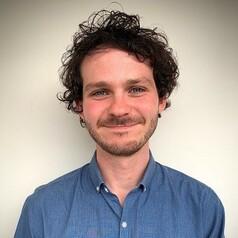
Adjunct Fellow, School of Mathematical and Physical Sciences, Macquarie University Dr Stuart Ryder is an Adjunct Fellow with the School of Mathematical and Physical Sciences, and a member of the Astrophysics and Space Technologies Research Centre at Macquarie University. His research interests include supernovae, and the emerging field of Fast Radio Bursts. Stuart also works part-time as a Program Manager with Astronomy Australia Ltd at their Sydney office, overseeing Australia's Strategic Partnership with the European Southern Observatory, Giant Magellan Telescope, and engagement with the Rubin Observatory's Legacy Survey of Space and Time.
PhD candidate, Birmingham City University PhD Candidate in Psychology (Birmingham City University), Senior HE manager (specialising in Plain English policy writing, complaints, and regulations), author, kindness advocate.
Adjunct Professor of Entomology and of Ecology and Evolutionary Biology, University of Arizona STEPHEN BUCHMANN, is a pollination ecologist specializing in bees, and an adjunct professor with the departments of Entomology and of Ecology and Evolutionary Biology at the University of Arizona. A Fellow of the Linnean Society of London, he has published over 150 peer-reviewed scientific papers and eleven books, including The Forgotten Pollinators, with its prescient (1996) warning of global pollinator declines, a finalist for the Los Angeles Times Book Prize. He lives in the Sonoran Desert of Tucson, Arizona, with his life partner, estate planning attorney Kay Richter. Buchmann is a frequent guest on many public media venues including NPR’s All Things Considered, and Science Friday. Reviews of his books have appeared in The New York Times, Wall Street Journal, Time and Discover magazines and other national publications. He is an engaging public speaker on topics of flowers, pollinators, and the natural world. His many awards include the IBPA Benjamin Franklin Award, and an NSTA Outstanding Science Trade Book.
Associate Professor, University of Bradford Sara is an associate professor in University of Bradford recognised for her expertise in game-based learning. She has actively contributed to various research projects across Europe, the UK, and the Middle East. Sara's passion lies in implementing game-based learning methodologies within educational settings and extending their reach to diverse environments such as universities, rehabilitation facilities, and youth programs. She has successfully integrated game elements into the classroom, harnessing the power of gamification to enhance student engagement and learning outcomes. Sara's innovative approaches and effective strategies have garnered recognition, enabling her to disseminate her practices widely within UK, Europe and beyond. In addition to her academic pursuits, Sara has also provided consultancy services to numerous charities focused on youth development, young ex-offenders, and medical care professionals. Her expertise in designing game-based interventions has fostered skill-building, rehabilitation, and personal growth among these vulnerable populations. Sara's commitment to promoting inclusive education through game-based learning is evident in her collaborative efforts with various stakeholders and collaborators including educators, game designers, and policymakers to create inclusive and accessible learning environments. Her work aims to bridge the gap between traditional teaching methods and engaging, immersive learning experiences that resonate with today's students. She continues to push the boundaries of game-based learning, empowering educators and learners alike. Her contributions have not only advanced the field but also positively impacted the lives of individuals in diverse educational and rehabilitation contexts.
Postdoctoral Research Fellow, University of Auckland I am a Postdoctoral Research Fellow in Psychology at the University of Auckland. I study cooperation and prosociality in humans, and how these behaviours relate to other aspects of our social lives, including politics and religion.
Assistant Professor in Law, University College Dublin Dr Sara Benedi Lahuerta is an Assistant Professor in Law at University College Dublin (UCD), Sutherland School of Law. Previously, she was a Lecturer in Employment Law at the University of Southampton Law School (UK) (2014-19) and the founding Director of the Stefan Cross Research Centre for Women, Equality and Law (2018-19). Sara’s research focuses on discrimination and employment law (at EU and comparative levels). She is particularly interested in avenues to improve the effectiveness of equality law through a range of regulatory tools like collective enforcement, equality bodies, positive duties, ADR and collective bargaining. Her current research projects concern the analysis of pay transparency regulation to address the gender pay gap and EU policies to address hate speech. She is co-editing the book: "Bridging the Gender Pay Gap through Transparency? Comparative Approaches and Key Regulatory Conundrums" (with Prof. Laura Carlson and Ms Katharina Miller), forthcoming with Edward Elgar. Her prior projects include: ‘Rethinking EU Equality Law’ (2016-18) and ‘The impact of Brexit on EU nationals’ vulnerability: the case of Polish nationals’ (2018-19). She also participated in the project: ‘Future Directions in EU Labour Law’ (2015-16), coordinated by Prof. Prassl (Universityof Oxford) and funded by the British Academy. Her research has been funded, among others, by the ESRC (Impact Acceleration Account) and the Society of Legal Scholars, and has been published in leading journals, including the Common Market Law Review, the European Law Journal, the International Journal of Discrimination and the Law, and the European Labour Law Journal. She is the Editor-In-Chief of the Berkeley Center on Comparative Equality & Anti-Discrimination Law E-Journal. She has also acted as an expert evaluator for the European Commission’s ‘Rights, Equality and Citizenship Programme’ and Marie Curie Individual Fellowships.