Lecturer, University of Greenwich Dr. Lauren Siegel is a Lecturer in Tourism & Events at the University of Greenwich in London. Lauren's research focuses on how social media have transformed experiences into objects of collectible consumption and visitor impacts to destinations considered 'Instagrammable'. Lauren earned her MSc from The Hong Kong Polytechnic University (Hons) and her PhD from the University of Surrey. Her research is centred on all things leisure and technology, and is published widely in both academic and industry journals. Personally, Lauren is a keen traveller and considers local and authentic experiences very precious. Lauren also considers herself pretty witty, but not all will agree.
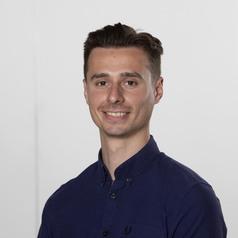
PhD Candidate, Centre for Inflammation Research, Institute for Regeneration and Repair, The University of Edinburgh In 2021, Robert completed his MSc in Biology at Leiden University in the Netherlands. Specialising in Molecular Genetics and Biotechnology, he undertook two research projects within the Animal Sciences and Health/Bioinformatics and Genomics clusters, collaborating with research teams at Radboud University, Nijmegen and KU Leuven in Belgium. The first used the zebrafish as a model system to investigate the glucocorticoid receptor and innate immune cell migration during the inflammatory response. A later project focused on the taxonomic and functional profiling of zebrafish intestinal microbiome using metagenomic approaches and next-generation sequencing datasets. Today, Robert bridges these areas, combining his research interests in human disease, inflammation, and the gut microbiome and applying them to his present PhD project. Inflammatory Bowel Diseases (IBD) are chronic immune-mediated conditions affecting the gastrointestinal tract. They are common, with a global prevalence approaching 20-30 million individuals by 2025. The gut microbiome is a critical factor in the development of IBD and there are now several approaches aimed at manipulating the gut flora as therapy including faecal transplantation, probiotics and selective expansion of beneficial bacteria populations using spore technologies. However, we do not yet have the precision medicine tools to refine our understanding of the complex gut microbiome and its interconnection with IBD disease activity to improve the way we choose and tailor microbial-based treatments. Emerging evidence suggests that inflammation may begin in the oral cavity and spread to the gut as pathobionts move between those body sites, hence there is a need to investigate the oral-gut microbiome axis in IBD. Robert – alongside PI’s with bioinformatics, clinical and IBD expertise – aims to characterise the metagenome to determine if the complexities of the gut microbiome can be refined and reduced based on oral microbiome data to allow for a simple, quicker and more acceptable form of microbiome analysis that can be carried out in the widest IBD setting. Together, they will use strain-level metagenomics to look at the cross-talk between the oral and gut microbiota in IBD, and functional metagenomics to look at functional correlates with disease progression, outcome, and mucosal healing.
Reader and Honorary Consultant Gastroenterologist, The University of Edinburgh I currently lead up the Gut Research Unit in the Institute of Repair and Regeneration, University of Edinburgh. I trained in Medicine in Glasgow (MBChB 1997 and MRCP 2000), and moved to Edinburgh for my PhD with Jack Satsangi (2000-2003). I completed my specialty training in gastroenterology and internal medicine in Edinburgh (2003-2008) and was awarded an MRC Clinician Scientist Fellowship award (2009-2015) where I trained under Balfour Sartor in University of North Carolina, Chapel Hill, USA focusing on mucosal immunology in IBD. In 2018, I set up the Edinburgh IBD Science group and then the Gut Research Unit in CIR (2019). With a strategic translational focus on human experimental work, my program supports a comprehensive portfolio of work across Scotland from basic discovery science to Phase 2 clinical trials in adults and children with IBD. I continue to care for individuals with IBD working as an active consultant gastroenterologist at the Western General Hospital.
Lecturer in Education, University of Manchester Kathryn Telling is a Lecturer in Education at the University of Manchester. She researches the different values that students and academics bring to their educational endeavours and how they manage value conflict, and explored this in depth in her recent book The Liberal Arts Paradox in Higher Education: Negotiating Inclusion and Prestige.
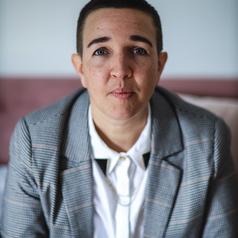
Associate professor Sexualities and Genders / Sociology, Western Sydney University I am a researcher and university lecturer in gender, sexuality, sociology and politics. I work at Western Sydney University in the School of Social Sciences, and am director of Sexualities and Genders Research. I did my MPhil at Griffith University, QLD, Australia, and my PhD at University of Edinburgh, Scotland, UK, before working at Portsmouth University, UK, Swinburne University, Melbourne Australia, and finally to WSU in 2019. My research is interested in diversity broadly, focusing on genders and sexualities, social theory, feminisms, and whiteness. I am committed to research that improves the lives of those who are othered and subordinated.
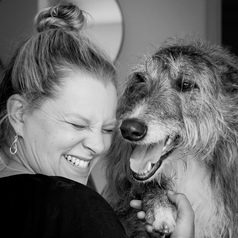
Research Fellow, Animal Welfare Science Centre, The University of Melbourne Dr Mia Cobb is an animal welfare scientist, science communicator and research fellow at the University of Melbourne's Animal Welfare Science Centre in Victoria. Her research explores human attitudes, housing and management practices, animal behaviour, stress physiology and how animal welfare relates to the sustainability of animal-based industries. Mia is also active in the exciting domains of science communication, emerging technologies, citizen science, welfare auditing, and all things dog. Following an undergraduate science degree majoring in animal behaviour, she worked in animal welfare shelter and working dog industry for over a decade. In 2012, she founded a popular collaborative blog (Do You Believe In Dog?) with fellow canine scientist, Julie Hecht, who is based in New York. Mia led the Australian Animal Welfare Strategy's working dog initiatives to advance the welfare of Australia's iconic working dogs and is a Director of the Australian Working Dog Alliance, a registered non-profit organisation that works with industry to improve the welfare of Australia's working and sporting dogs.