

 Menu
Menu

 Search

- News

- Economy

- Central Banks
- Investing
- Research
- Roundups
- Digital Currency
- Insights
- Technical Analysis
- Technology
- Business
- Law
- Health
- Nature
- Fintech
- Science
- Topic
- Opinions
- ©Econometrics LLC . All Rights Reserved.
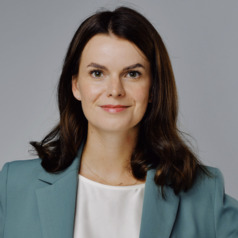
Lydia Ottlewski
Assistant professor, University of Southern Denmark
Dr. Lydia Ottlewski is an assistant professor in the Department of Business & Management at the University of Southern Denmark (SDU) in the field of “Consumer Culture Theory” – consumer and market research from a cultural perspective. She is an expert in the field of digital platforms, social innovation, and alternative families.

Less 
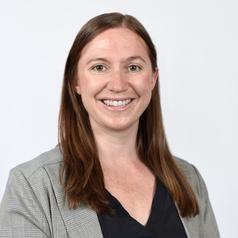
Lydia Ross
Assistant Professor of Educational Leadership and Innovation, Arizona State University
Lydia Ross (she/her) is an assistant professor for the Division of Educational Leadership in the Mary Lou Fulton Teachers College at Arizona State University. Her research broadly centers on issues of equity, access, and inclusion in K-12 and post-secondary education, focusing on STEM. Specifically, she aims to understand 1) how students access educational systems and opportunities, 2) student experiences within educational systems, and 3) fostering professional development (PD) opportunities for people facilitating educational experiences (i.e., faculty or school counselors). Dr. Ross’ work has been published in national and international journals, including Research in Higher Education, AERA Open, Teachers College Record, Journal of Women and Minorities in Science and Engineering, and the Journal of Higher Education Theory and Practice.
Less
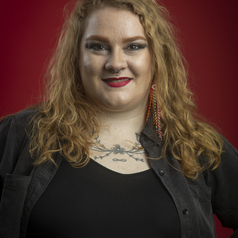
Lydia A. I. Toorenburgh
PhD Student, Anthropology, University of Victoria
Lydia has a Master of Arts and an Bachelor of Arts (Honours) and Minor in Indigenous Studies. They have worked at the University of Victoria as the Indigenous Student Recruitment Officer and most recently as the Tri-Faculty Indigenous Resurgence Coordinator where they were tasked with creating and leading decolonizing and Indigenizing initiatives in the faculties of Social Sciences, Science, and Humanities. They use their training in Indigenous Studies and Indigenous Anthropology, their experience as a staff member, and their lived experience as mixed settler and Bungi-Metis Two-Spirit person to work toward post-secondary decolonization and Indigenization. They are now pursuing their PhD in Anthropology and Indigenous Nationhood at the University of Victoria.
Less
Lydia Begoña Horndler Gil
Profesor en inmunología y biología del cáncer, Universidad San Jorge
Less
Lyke Thompson
Professor of Political Science, Wayne State University
Lyke Thompson has been teaching at Wayne State for about 30 years as a professor in the Department of Political Science and in the former College of Urban, Labor and Metropolitan Affairs. He has taught program evaluation, urban administration, Detroit Politics, and Michigan Politics. He became the director of Wayne State University's Center for Urban Studies in January 2003. During his administration of the Center he has collaborated with staff and community members to expand its capacity for research and intervention into areas including program evaluation, GIS, survey research, public safety, domestic violence, healthy homes, and climate change. The Center works intensively within Detroit and its metropolitan area both to understand urban processes and institutions as well as to improve the lives of Detroit's most challenged households.
Less
Lyn Griffiths
Professor, Queensland University of Technology
Distinguished Professor Griffiths is an active and respected molecular geneticist with more than 30 years’ experience. DProf Griffiths has brought a translational focus to medical research to increase QUT’s influence and its impact on human health as Director of the Centre for Genomics and Personalised Health which is focused on translating knowledge from genomics research. The Centre aims to discover better methods of diagnosing disease, develop targeted treatments based on genetic information, and train the next generation of translational genomics scientists. In addition, DProf Griffiths is a passionate advocate of the translation of medical research through commercialisation and is currently the Director of the MTP Connect and industry led Bridge and BridgeTech programs, undertaking commercialisation training for the pharmaceutical and medical devices-technology fields across Australia, respectively. DProf Griffiths’ own genetics research at the Genomics Research Centre has led to diagnostic breakthroughs for several neurogenetic disorders, including familial migraine, ataxia, epilepsy and hereditary stroke. Her research has appeared in more than 400 peer-reviewed international journals and she has obtained significant competitive and industry research funds to support her research team.
Less
Lynda Cardiff
Senior Research Fellow, Centre for the Business and Economics of Health, The University of Queensland
Less
Lynda Collins
Full Professor, L’Université d’Ottawa/University of Ottawa
Full Professor with the Centre for Environmental Law and Global Sustainability. Counsel with Ecojustice Canada.
Less
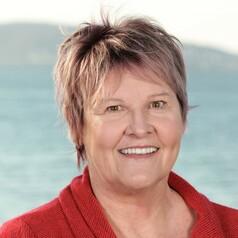
Lynda Goldsworthy
Research Associate, University of Tasmania
Following many years as advocate, policy analyst and manager working across the non-government sector, focusing particularly on climate, high seas and antarctic issues, Lyn undertook a PhD at the Institute for Marine and Antarctic Studies, University of Tasmania and is now a research associate at IMAS and member of Centre for Marine Socio-ecology
Less
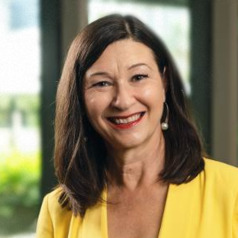
Lyndall Bryant
Lecturer in Property Economics, Queensland University of Technology
Lyndall Bryant has been on the academic staff QUT’s School of Built Environment and Civil Engineering as a lecturer in Property Economics since 2009. Prior to joining academia, Dr Bryant had almost 20 years working in the housing development, corporate property and finance sectors, holding management positions in some of Australia’s leading property development companies and consultancy firms including Stockland, Mirvac, Macquarie Bank and Ernst & Young.
She specialises in property development, property finance and economic sustainability (such as, feasibility analysis, finance, options analysis, and barriers to supply). She has written and presented research papers and reports on various property development, infrastructure and housing affordability matters as well as other financing related policy issues. These works had been used by a range of stakeholders including national corporations, government agencies and policy makers at all levels of government.
Dr Bryant is a Registered Valuer in Queensland as well as a Certified Practicing Valuer under the provisions of the Australian Property Institute. She sits on the national board of EnviroDevelopment, an independent, national sustainability rating tool; is a board member of the Pacific Rim Real Estate Society and serves on a number of University and industry committees. She is a regular presenter in the Urban Development of Australia’s (Qld) education series as well as at other industry events and training forums.
Dr Bryant holds postgraduate qualifications (GradDip in Advanced Finance and Investments) from the Securities Institute of Australia (FINSIA) and her PhD is from Queensland University of Technology.
Less
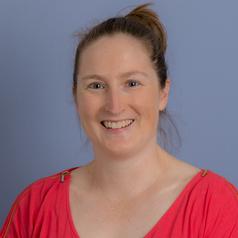
Lyndell Bruce
Senior Lecturer in Sport Science, Deakin University
Dr. Bruce is an expertise researcher who explores expert performance, factors contributing to expert performance and the development of expertise, with a focus on sport. With a strong track record on engaging with industry to solve applied sport challenges, Dr Bruce uses a multidisciplinary approach using a range of technologies and analytical techniques to offer insights into the research questions.
Less
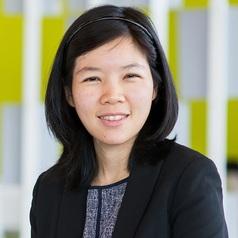
Lynette Cheah
Professor and Chair of Sustainable Transport, University of the Sunshine Coast
Lynette Cheah is Professor and Chair of Sustainable Transport at the University of the Sunshine Coast in Queensland. She directs the Sustainable Urban Mobility research laboratory, which develops innovations and pathways towards sustainable cities, particularly in the area of mobility. Her research focuses on developing data-driven models and digital tools to assess and reduce the environmental impacts of passenger and urban freight transport. Areas of expertise include smart cities, intelligent transport, urban freight, transport modelling and simulation, technology and policy assessment, life cycle assessments, and material flow analysis.
Lynette is a strong believer in translating research into real-world impact. She served as Review Editor for the United Nations Intergovernmental Panel on Climate Change’s (IPCC) Sixth Assessment Report and is Coordinating Lead Author for UN Environment Programme’s Global Environment Outlook (GEO-7) report. From 2019 to 2024, she was a member of Singapore’s Public Transport Council, promoting sustainable, affordable, and inclusive public transport for all.
Prior to joining UniSC, Lynette was a tenured faculty member at Singapore University of Technology and Design (SUTD) and a Visiting Professor at the University of Victoria in British Columbia, Canada. As an active member in her academic communities, Lynette Cheah is Editor for Transportation Research Record and Journal of Industrial Ecology. She obtained her Ph.D. in Engineering Systems from MIT and Master’s in Management Science from Stanford University.
Less
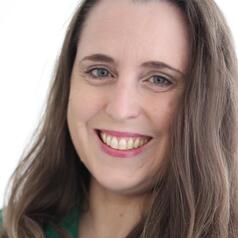
Lynette Washington
Research Fellow, UniSA Business, University of South Australia
I hold a PhD in English and Creative Writing from the University of Adelaide, and am the Founder and Publishing Director of the independent press, Glimmer Press. I have worked as an Editor and Publicist for MidnightSun Publishing. I have edited numerous story collections and my own story collection, Plane Tree Drive, was published in 2017. It was Highly Commended in the Victorian Premier’s Literary Award and shortlisted for the MUBA. I have over twenty years’ experience as a writer, editor, manuscript assessor and teacher of creative and professional writing.
I also consult on publishing with students in Creative Writing at Flinders University, and am a Research Fellow in the School of Business at UniSA.
Less

Lynette R. Goldberg
Associate Professor, Wicking Dementia Research Education Centre, University of Tasmania
Lyn Goldberg, a speech pathologist, was recruited to the Wicking Centre in 2014 to develop a focus on oral health and function related to dementia, consolidating her background in speech pathology and international experience in interprofessional education and practice. Prior to 2014, Goldberg was the John and Ruby Hendren Distinguished Professor in the College of Health Professions at Wichita State University, Kansas, USA, and member of the Executive Board of the American Speech-Language-Hearing Association (ASHA), guiding the Association’s financial, long-term planning and multicultural initiatives. At the Wicking Centre, Goldberg is a Graduate Research Coordinator, online educator and community-based researcher.
With NHMRC-Dementia Collaborative Research Centre program funding ($99,752, 2016-17, CIA), Lyn initiated an innovative interprofessional program in which a speech pathologist, dentist, and nutritionist worked with residential care staff to screen the oral health, nutritional status, and swallowing ability of residents, and document residents’ perceptions of their health-related quality of life. Further philanthropic funding ($34,300) enabled a clinical trial to document the positive effects of an evidence-based oral health program to decrease chest infections and aspiration pneumonia. Findings resulted in a policy change within the national organization.
Lyn's work now focuses on Aboriginal-led, community-based research to promote health and wellbeing and reduce dementia risk. She served on the National Committee for the Action Plan to implement the Aboriginal and Torres Strait Islander Roadmap for Dementia Research and Translation. In the past five years she has served on externally funded grants totaling $11.5M (lead CI on 5, AI on 3), complemented by University/College funding of $529,314. She currently leads a national team of Aboriginal and non-Aboriginal early, mid-, and senior career researchers and Aboriginal community leaders in the MRFF Consumer-Led Research opportunity, Privileging the spirit, voices, and culture of Aboriginal people in dementia care: education for non-Aboriginal healthcare providers (2023-25). She is an AI on two Aboriginal health related NHMRC Centre of Excellence grants: Good Spirit, Good Life: better health and wellbeing for older Aboriginal and Torres Strait Islander peoples (2021-25) and On TRACK (Teaching, Research And Community Knowledges): promoting brain health with older Aboriginal and Torres Strait Islander peoples (2022-2026). In the past 5 years, Lyn has published 24 peer-reviewed journal papers and accrued >600 citations.
Less
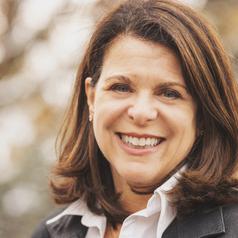
Lynn Greenky
Associate Professor of Communication and Rhetorical Studies, Syracuse University
I am an attorney admitted to practice in New York State. I earned a Bachelor of Science and a Master of Arts in Communication Studies from Northwestern University. I have authored a book: When Freedom Speaks: The Boundaries and the Boundlessness of our First Amendment Right, published by Brandeis University Press and available for purchase on Amazon and other online outlets. My interests are in advocacy, argumentation, political communication, and first amendment jurisprudence. I have developed courses at Syracuse University that reflect those interests. I have been published in the Washington Post, The Hill, and Ms. Magazine and have participated in several podcasts, online lectures, and radio broadcasts. For more information, please visit https://lynngreenky.com/.
Less
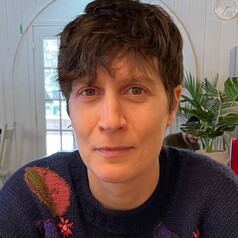
Lynn Kozak
Associate professor, History and Classical Studies, McGill University
Lynn Kozak has translated, directed, produced, and performed in numerous professional and student productions of ancient Greek and Latin epic and tragedy. Other research focuses on ancient Greek literature, classical receptions, and contemporary media studies, with particular interests in horror and television.
Less
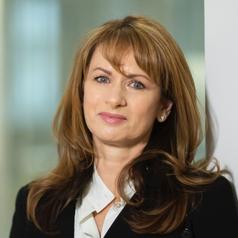
Lynn Meskell
PIK Professor of Anthropology; Professor of Historic Preservation, Weitzman School of Design, Penn Museum, University of Pennsylvania
Lynn Meskell is Penn Integrates Knowledge (PIK) Professor at the University of Pennsylvania. She is Richard D. Green Professor of Anthropology in the School of Arts and Sciences, Professor in the Graduate Program in Historic Preservation at the Weitzman School of Design, and curator in the Middle East and Asia sections at the Penn Museum. Currently she serves as AD White Professor-at-Large at Cornell University (2019-2025). She holds Honorary Professorships at Oxford University and Liverpool University in the UK, Shiv Nadar in India and the University of the Witwatersrand, South Africa.
Over the last decade Lynn has conducted an institutional ethnography of UNESCO World Heritage, tracing the politics of governance and sovereignty and the subsequent implications for multilateral diplomacy, international conservation, and heritage rights. Employing archival and ethnographic analysis, her award-winning book A Future in Ruins: UNESCO, World Heritage, and the Dream of Peace (OUP, 2018) reveals UNESCO’s early forays into a one-world archaeology and its later commitments to global heritage. Building on this research, she is currently examining the entwined histories of colonialism, internationalism, espionage and archaeology in the Middle East coupled with a new project on the heritage security nexus at NATO. Her other fieldwork explores monumental regimes of research and preservation around World Heritage sites in India and how diverse actors and agencies address the needs of living communities.
Less
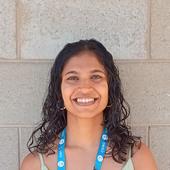

Lynnaire Sheridan
Senior lecturer, University of Otago
Lynnaire Sheridan is a senior lecturer in HR and Management at the University of Otago.
Her educational research focuses on work integrated learning, academic integrity and widening participation through indigenising the curriculum. Her HR / management scholarship focuses on enhancing the employment outcomes of people with disabilities, understanding burnout and striving for business sustainability.
Less
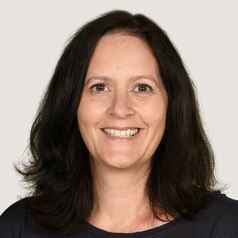
Lynne Chepulis
Associate Professor Health Sciences, University of Waikato
PhD health sciences (2008)
currently lead a number of large HRC-funded studies in primary healthcare and chronic disease (with equity focus)
executive board member of NZ Society for Study of Diabetes
associate member Royal Society of Medicine
Less
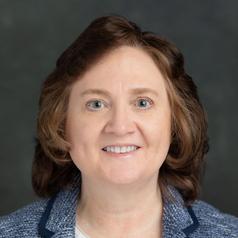
Lynne Parker
Associate Vice Chancellor, University of Tennessee
Lynne E. Parker, a native Knoxvillian, is Associate Vice Chancellor at the University of Tennessee, Knoxville (UTK), and Director of the AI Tennessee Initiative, which is positioning the University and the state of Tennessee as a national and global leader in the data-intensive knowledge economy. Prior to this role, she led national artificial intelligence (AI) policy efforts for four years (2018-2022) in the White House Office of Science and Technology Policy, serving as Deputy Chief Technology Officer of the United States, Founding Director of the National AI Initiative Office, and Assistant Director for AI. She also served as co-chair of the Congressionally-directed National AI Research Resource Task Force, which is working to democratize access to the computational and data infrastructure needed for AI research. She served for two years (2015-2016) at the National Science Foundation as Division Director for Information and Intelligent Systems. In these roles across three Administrations, she led the development of numerous landmark national AI policies bolstering research, governance, education and workforce training, international engagement, and the Federal use of AI.
Dr. Parker joined the UTK faculty in 2002 and is an expert on distributed and intelligent robot systems, human-robot interaction, and AI, having published extensively in these and related areas. She previously worked for several years as a Distinguished Research and Development Staff Member and Group Leader at Oak Ridge National Laboratory, researching multi-robot and human-robot systems. Dr. Parker has served on many government advisory boards, including the National Academies' Intelligence Science and Technology Experts Group (ISTEG), National Research Council's (NRC) committee on persistent surveillance for the counter-IED mission, NRC Panel for Review of the Engineering Laboratory at the National Institute of Standards and Technology (NIST), NRC Panel on Mechanical Science and Engineering at the Army Research Laboratory (ARL), NRC Advisory Panel on Information Science at ARL, NRC Advisory Panel on Air and Ground Vehicle Technology at ARL, and NRC Advisory Panel on Armor and Armaments at ARL. Dr. Parker was also a member of the 2004-2005 class of the Defense Science Study Group (DSSG).
She has received numerous awards for research, teaching, and service, including the U.S. Presidential Early Career Award for Scientists and Engineers (PECASE) and the IEEE (Institute of Electrical and Electronics Engineers) Robotics and Automation Society’s George Saridis Leadership Award in Robotics and Automation. She is a Fellow of AAAI (Association for the Advancement of Artificial Intelligence), AAAS (American Association for the Advancement of Science), and IEEE; and a Distinguished Member of ACM (Association for Computing Machinery). Dr. Parker earned a B.S. from Tennessee Technological University, an M.S. from the University of Tennessee, and a Ph.D. from the Massachusetts Institute of Technology, all in computer science.
Less
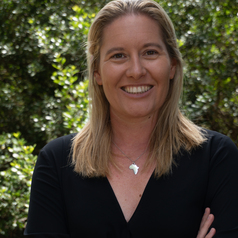
Lynne Quick
Senior Research Fellow, Nelson Mandela University
I am a Senior Research Fellow associated with the African Centre for Coastal Palaeoscience (ACCP) at Nelson Mandela University in South Africa. I am a palaeoecologist, specifically a palynologist who runs the Palaeoecology Laboratory (“Palaeolab”) at the university’s Gqeberha campus (Eastern Cape). My research relates to reconstructing southern African palaeoenvironments, with a key focus on the vegetation history and past climate dynamics of the highly biodiverse Cape Floristic Region.
Less

Lynsey Melville
Professor of Environmental Engineering in the Faculty of Computing Engineering and Built Environment, Birmingham City University
Dr. Lynsey Melville is Professor of Environmental Engineering at Birmingham City University, where she leads the Global Environmental Challenges Research Group. As a transdisciplinary researcher her work focuses on the interrelationships between water, energy, waste, and agriculture.
Dr. Melville has worked on multiple collaborative projects across the world, employing participatory approaches that place communities at the heart of sustainable solutions. Her vision is to build resilient communities by applying innovative engineering strategies that transforms waste into valuable resources.
Her expertise spans water and wastewater treatment, bioresource management and bioenergy production.
Dr. Melville is a passionate advocate for women in STEM and higher education, championing diversity through initiatives like WISE and Athena Swan
Less
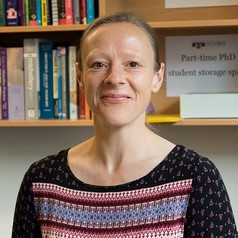
Lynsey Sutton
Teaching Fellow/Clinical nurse specialist, Victoria University of Wellington
I graduated as a nurse in 1996 from the University of Nottingham and have worked in the Intensive care specialist area all my career. I have worked in Wellington ICU since 2004 where I have progressed through the career pathway to Expert level and worked briefly as an ICU flight retrieval nurse. In 2012 I graduated from Victoria University of Wellington with a Masters in clinical nursing. From 2009 I became an Associate Charge Nurse Manager (ACNM) managing and coordinating ICU services. Through these years I have led several projects improving the quality of patient care in the ICU and have published in several critical care journals. For the past 4 years I have been a guest lecturer going on to become a teaching fellow with Victoria University of Wellington post graduate Nursing programme as well as being the Clinical Nurse Specialist in Wellington ICU.
Less
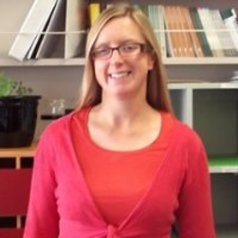
Lynzi Armstrong
Senior Lecturer in Criminology, Te Herenga Waka — Victoria University of Wellington
Dr Lynzi Armstrong is a Senior Lecturer in Criminology at Victoria University of Wellington, New Zealand. Her research interests include sex worker rights, sex work laws, stigma, sexual violence, anti-trafficking policy, and social harm.
Less
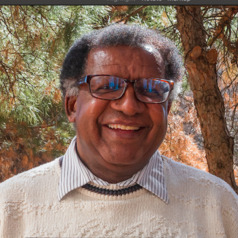
Lyombe Eko
Professor of Journalism and Creative Media Industries, Texas Tech University
Lyombe Eko is a professor in the College of Media and Communication, Texas Tech University. His areas of research and teaching expertise are comparative and international communication studies, with an emphasis on Francophone and Anglophone Africa; comparative information and communication technology law and policy, with a focus on the European Union, the United States, France and the UK. He also studies visual communication (cartoons), human Rights, and freedom of expression. He has published four books, including the award-winning, The Charlie Hebdo Affair and Comparative Journalistic Cultures: Human Rights Versus Religious Rites (Palgrave Macmillan 2019), and New Media Old Regimes: Case Studies in Comparative Communication Law and Policy (2012); and The Regulation of Sex-themed Visual Imagery: From Clay Tablets to Tablet Computers (2016). He has also published numerous, widely cited articles in law review journals and refereed visual and international communication journals.
Before he joined Texas Tech in 2015, he was an associate professor at the University of Iowa School of Journalism and Mass Communication. He was also Director of the African Studies Program at the University of Iowa. He has also taught at the University of Maine, Orono, Maine. He earned his PhD in Journalism from Southern Illinois University at Carbondale. Before his academic career, he was a journalist at Cameroon Radio and Television (CRTV), and an editor/translator and producer at the African Broadcasting Union (URTNA) in Nairobi, Kenya.
Less
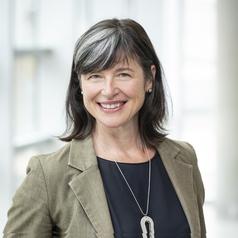
Lysanne Lessard
Associate Professor, Telfer School of Management, L’Université d’Ottawa/University of Ottawa
I received a Ph.D. in Information Systems from the University of Toronto's Faculty of Information. I also hold a Master's degree in Information Technology (M.Sc.) from Téluq - Université du Québec à Montréal (UQAM). While my primary funding agency is NSERC, I also hold grants from CIHR and SSHRC.
My research aims at improving how we design digitally enabled services like telehealth so that they can better address human needs. My research program focuses on three key aspects of the design of digitally enabled services: the need for improved models and modeling techniques supporting the analysis and design of these systems; the need to articulate their sociotechnical architectures; and the need to anchor the design of the information and communication technologies (ICTs) embedded in these systems both in relevant theories and in a deep understanding of multiple stakeholder needs. I investigate these aspects in the health care domain, with a particular interest on how they can support the transformation of health systems.
I am a member of the LIFE Institute and of the Institut du Savoir Montfort.
Less

 21
21 - Market Data




