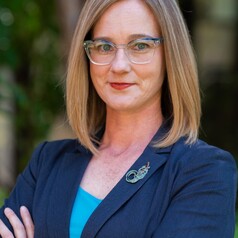
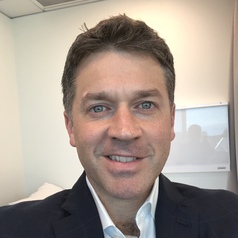
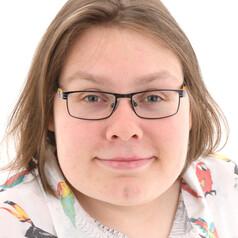
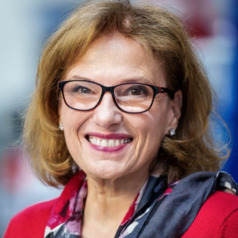
Senior Lecturer, Griffith University Danielle Arlanda Harris, PhD is the Deputy Director-Research of the Griffith Youth Forensic Service and a Senior Lecturer in the School of Criminology and Criminal Justice at Griffith University. She has more than 20 years’ experience working in the US, the UK, and Australia primarily in the area of research, treatment, and prevention of child sexual abuse. She received a prestigious grant from the Guggenheim Foundation to fund her ground-breaking mixed methods empirical study of desistance from sexual offending (which included interviews with nearly 100 men convicted of sexual offences). Since returning to Australia in 2016, her innovative research has been funded by Westpac, ANROWS, and the National Centre for Action on Child Sexual Abuse. She regularly consults with the Daniel Morcombe Foundation, Queensland Police, Queensland Corrections, and yourtown (Kids Helpline) and sits on the National Clinical Reference Group of the National Office of Child Safety. She has published over 30 peer reviewed journal articles and book chapters and has given more than 50 presentations at international conferences. Her first book (Desistance from Sexual Offending) received the Australia and New Zealand Society of Criminology Book award in 2019.
Gastroenterologist and cancer scientist, South Australian Health & Medical Research Institute Dan Worthley, M.B.,B.S.(Hons), MPH, PhD, FRACP, AGAF. I am a gastroenterologist and cancer researcher. I started my career as a medical student and gastroenterology trainee in Adelaide. I moved to Brisbane to complete my PhD and MPH at the University of Queensland, then to Columbia University in New York for a 4 year post-doctoral fellowship in stem and cancer cell biology. When I returned to Australia I established a research program in synthetic biology and a clinical practice that would, together, reduce bowel cancer death in our community. We are dedicated to detecting, preventing and treating bowel polyps and cancer. I work at Colonoscopy Clinic (Queensland). There is a future where no Australian will die of bowel cancer.
Postdoctoral research associate, University of Liverpool I'm a postdoctoral researcher working on muon physics on the muon g-2 experiment at Fermilab and muEDM at PSI. My research focusses on tracking detectors and measuring the intrinsic 'roundness' of muons by searching for an electric dipole moment.
Postgraduate Researcher, Global Development Institute, University of Manchester Dhanapal is a postgraduate researcher at the Global Development Institute, the university of Manchester. His current research is on examining social and ecological impacts of forest restoration in India. He has worked as a researcher on forest ecology at the Indian Institute of Science and has conducted studies on forest management funded by international organisations like DFID, USAID and the Tenure Facility. His current research interests include policy analysis, spatial mapping of forests and exploring the causal relations between forestry investments, forests and livelihood. His past research interests are also on urban ecology, climate change adaptation and resilience. Dhanapal has a masters degree in Environment Management from the Forest Research Institute, Dehradun.
Regenerative Medicine Lecturer, University of New Hampshire As a pioneer in cardiovascular regenerative medicine from bench to bedside, Dr. Taylor is credited with a number of important scientific breakthroughs related to cell and gene therapy, stem cell biology, and tissue engineering. Her work has been published in Nature Medicine, Circulation Research, The Journal of Molecular Biology, The Journal of Biochemistry, Journal of the American College of Cardiology (JACC), Journal of the American Medical Association (JAMA), and other top-tier scientific journals. She holds a number of invention disclosures, patent applications and patents and is the founder of multiple companies dedicated to cardiovascular repair technologies. She is a member of the Society for Women's Health Research (SWHR) Cardiovascular Working Group and the Organization for the Study of Sex Differences (OSSD). Other professional affiliations include the American Association for the Advancement of Science (AAAS), the American Heart Association (AHA), and the Federation of American Societies for Experimental Biology (FASEB), among others. She recently served on the Executive Committee for the Alliance for Regenerative Medicine (ARM). Dr. Taylor holds many honors including appointments as a Fellow for the American Heart Association (AHA), the American College of Cardiology and the European Society of Cardiology among other organizations. She has held faculty and or leadership appointments at Duke University Medical Center, University of Minnesota Medical School, Texas Heart Institute, Texas A&M University, and Rice University, as well as an honorary medical professorship in Krasnodar Russia.
Postdoctoral Research Fellow, School of Environment and Koi Tū: The Centre for Informed Futures, University of Auckland Wendy has a background in environment management and planning. Her research works have spanned sustainability, housing provision, policy/plan outcome evaluation, and their interactions with or impacts on social-spatial equity and/or well-being. She enjoys multi-disciplinary research using both qualitative and quantitative analysis, often in combination with stakeholder engagements and interviews. Her current research interests include science-policy interface and brokerage, policy actors’ perceptions of risks and decision-making of environmental and health challenges, including cancer-causing substances in the environment.