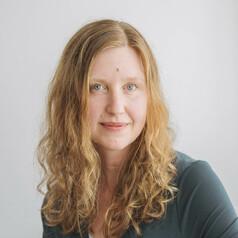
Senior Lecturer, School of Cybernetics, Australian National University Elizabeth Williams completed her PhD in experimental nuclear structure at Yale University in 2009. She completed post-doctoral work at Yale and CSIRO in Sydney, worked in nuclear reaction dynamics at the ANU, and began working with the ANU's 3A Institute (now within the School of Cybernetics) in 2018. Her current work aims to contribute to the creation of a new branch of engineering to help scale technology safely, responsibly and sustainably.
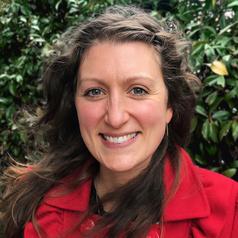
Postdoctoral Researcher, Deakin University Eloise is an Early Career Research Fellow passionate about public health. Eloise's research interests include early childhood nutrition, family and individual behaviour change, participatory research, and reducing socioeconomic inequities and health related stigma. Eloise has worked as researcher within Deakin University's Faculty of Health since 2012, and recently completed her PhD exploring the use of screens during shared mealtimes.
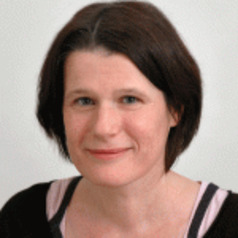
Professor of Microbiology, Boston University I have a long-standing research interest in studying highly pathogenic hemorrhagic fever viruses, including Ebola and Marburg viruses which belong to the filovirus family. Filoviruses cause a severe disease in humans with high case fatality rates. Due to the high pathogenicity of these viruses, they are classified as biosafety level 4 (BSL-4) pathogens. My lab studies different aspects of the filovirus infection cycle. One focus of our work is to dissect the mechanisms of filovirus genome replication and transcription with the goal to identify determinants of virulence. This includes work on Lloviu virus, a new member of the filovirus family, whose pathogenicity in humans is not known. Tools we use for this work include minigenome systems and recombinant viruses. Another focus of our research is centered around the host response to filovirus infection. To mimic the events in infected patients, we mainly use human primary cells for our infection studies. This includes macrophages and monocyte-derived dendritic cells isolated from blood, as well as human immune and liver cells generated from induced pluripotent stem cells (iPSC). The iPSC-derived infection platforms are developed in collaboration with tissue engineers at BU’s Center for Regenerative Medicine (CReM). We use these platforms to analyze the host response to filovirus infection, including inflammatory signatures, cell damage and antiviral defense mechanisms. The information we obtain from these studies will help us to determine virulence factors and identify targets for antiviral therapeutics.
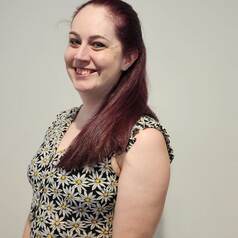
Research Assistant, Monash University Erin Bradshaw is a research assistant and ECR in journalism in the School of Media, Film and Journalism at Monash University Caulfield. Bradshaw is the senior research assistant for the ARC funded project "The culture of implementing Freedom of Information in Australia" https://www.monash.edu/arts/media-film-journalism/the-culture-of-implementing-freedom-of-information-in-australia. Bradshaw focuses on Journalism Studies, Journalism Ethics, and Endometriosis in Journalism
Research Associate at the Work and Equalities Institute at Alliance Manchester Business School, University of Manchester Eva Herman is a Research Associated based at the Work and Equalities Institute at Alliance Manchester Business School. She is currently working on the Decent Work and the City project a comparative project looking at labour markets and employment conditions cross 6 cities (Manchester, Bremen, Montreal, New York, Seoul and Buenos Aires). She completed an ESRC funded case studentship PhD at Alliance Manchester Business School in collaboration with Oxfam. Her PhD investigated the causes and consequences of precarious work in Greater Manchester, with a particular focus on the hospitality and social care sectors.
PhD student studying the diet of urban peregrines, University of Bristol Having studied what urban-dwelling peregrines eat during the past 25 years, I am now doing a PhD with the University of Bristol studying this aspect of their behaviour in more detail. I am analysing long term datasets of prey eaten by urban-dwelling peregrines as well as prey data from intensively studied nest web cameras during the nesting season. Away from my research work I am a freelance naturalist, broadcaster and learning consultant engaging a wide range of audiences with nature and science. Activities range from tour guiding around the world, dawn chorus walks listening to birdsong, bird surveys and taking schools fossil hunting. I live in the Forest of Dean in Gloucestershire and regularly take people out to see its wildlife from wild boar to goshawks. I have done extensive work with the BBC as a contributor, consultant and reporter. My learning consultancy work involves developing learning resources for wildlife and heritage organisations as well evaluation of projects and advising on how thesy can reach out to more people.